Explore Grid Iron Gourmet: practical buying guides, cut comparisons and ideas for getting more from the meat you choose. Start with the subject that interests you, or see our latest features below.
Buying good meat starts with asking the right questions — not just about the cut, but about the animal, the farmer, and the journey from field to butcher block. In an age of pre-packed trays and barcoded anonymity, making a conscious choice to buy better meat is one of the simplest, most powerful ways to support proper farming and better flavour.
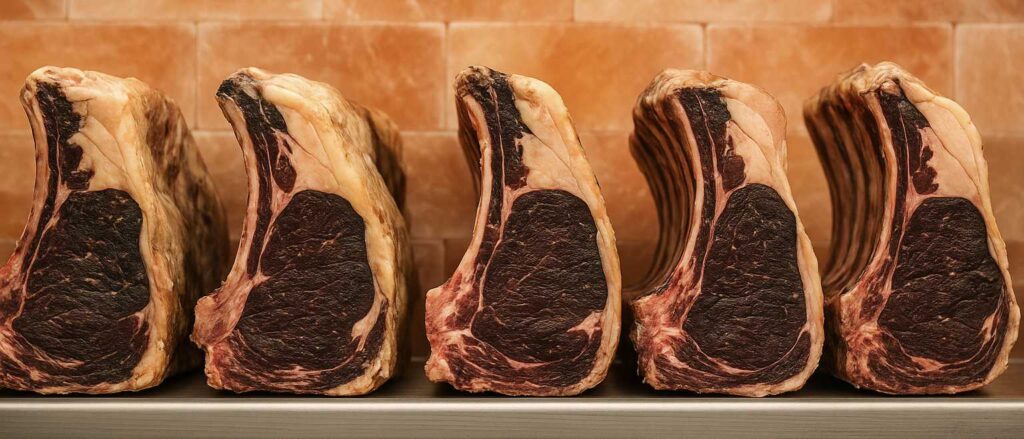
How We Prepare and Age Our Beef Before It Even Reaches Your Pan
Before a single flame is lit or a skillet gets hot, the character of beef has already been shaped by a series of quiet decisions — choices made over time, with tradition, flavour, and respect for the animal in mind. This section is less about process and more about principles: what we believe makes beef worth cooking.
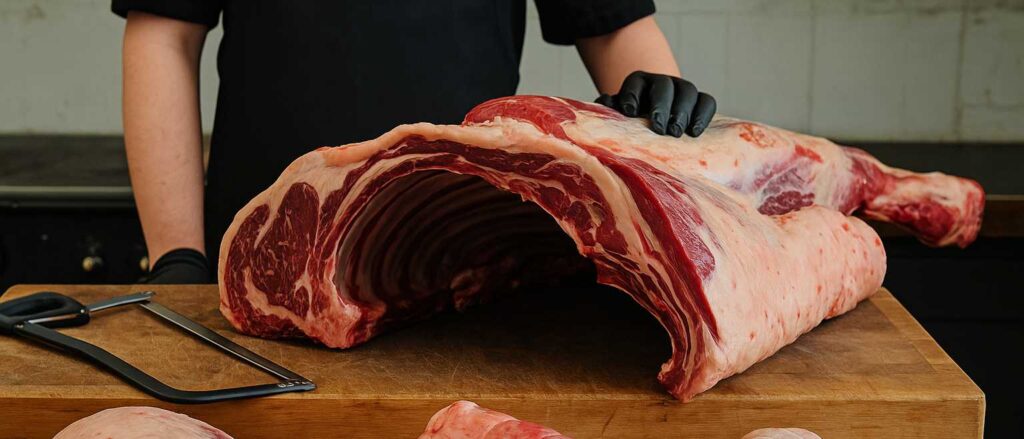
Understanding the Beast: A Guide to Beef Primal Cuts
Beef is a big beast, quite literally. To cook it well, it helps to understand where each cut comes from, what it brings to the table, and how best to honour it. This section breaks down the cow into its primal cuts — the major muscle groups and regions that determine flavour, texture, and cooking method.
Not sure which cut is right for the job? These practical comparisons explain the differences in flavour, texture, preparation and cooking method, helping you choose the best meat for the meal you have in mind.
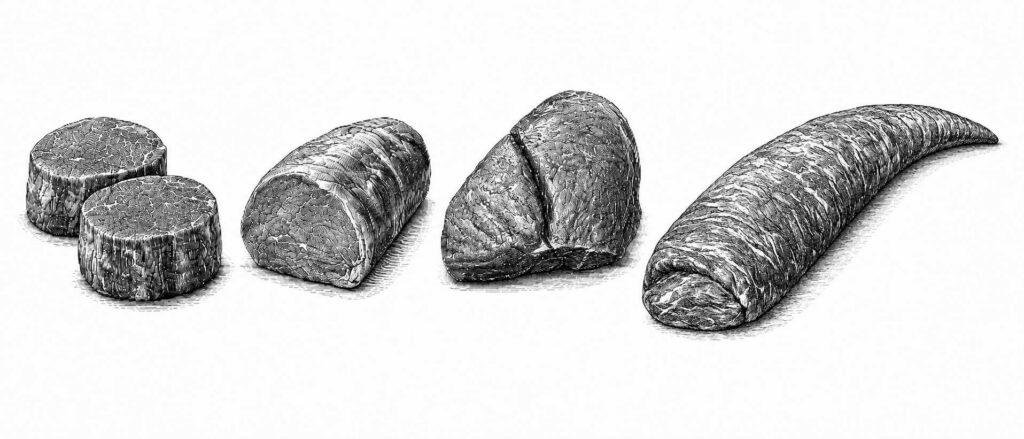
Fillet Steak, Centre-Cut Fillet, Chateaubriand or Whole Fillet: Which Should You Choose?
Beef fillet is prized for its tenderness and fine texture, but choosing between fillet steaks, centre-cut fillet, chateaubriand and a whole fillet is not always straightforward. They all come from the same exceptionally tender muscle, yet the way each is prepared makes it better suited to a particular style of cooking and serving.
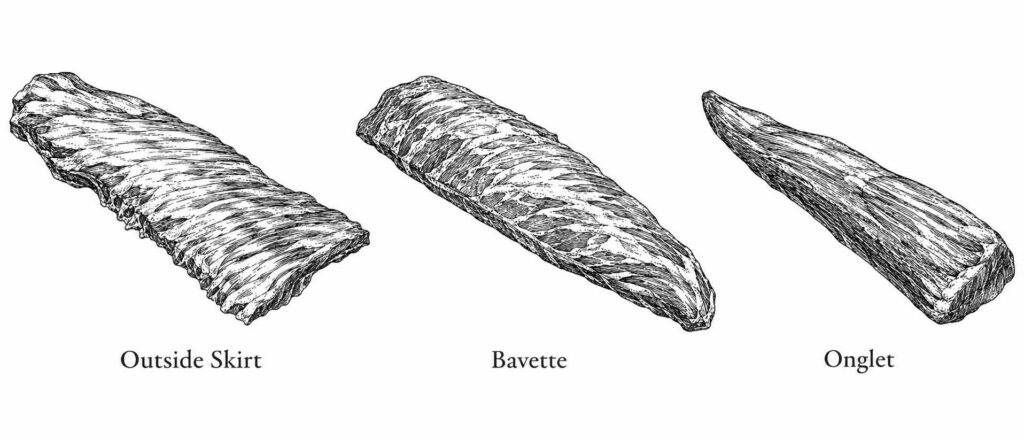
Skirt, Bavette or Onglet: Which Beef Cut Should You Choose?
Outside skirt, bavette, onglet and traditional beef skirt are all richly flavoured cuts, but each has its own texture, character and ideal cooking method. This guide compares them side by side, helping you choose the right cut for a quick steak supper, barbecue centrepiece or slow-cooked dish.
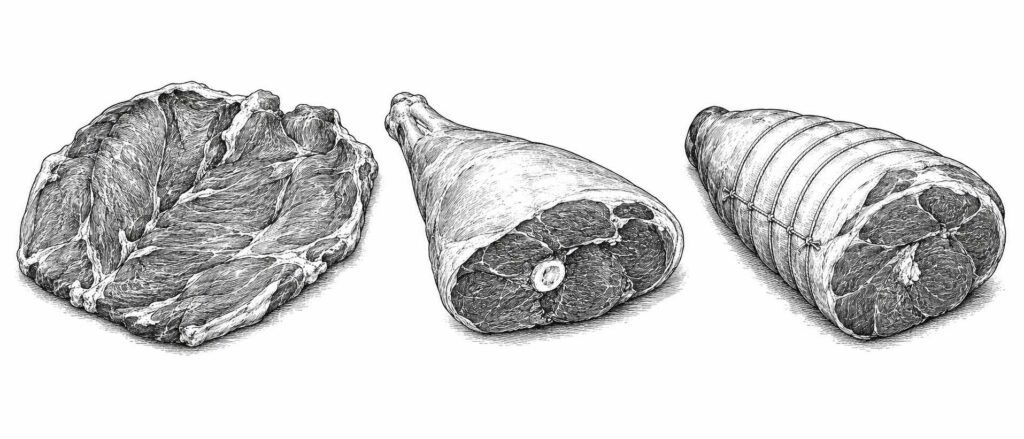
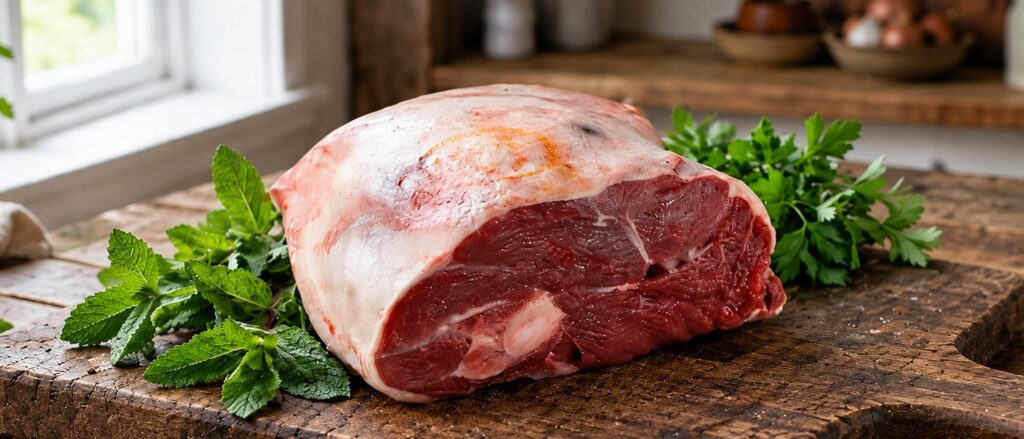
Lamb shoulder has more natural fat and connective tissue than leg, which is exactly why it becomes so succulent when given time. Here’s how to cook it, rest it and make the most of it.
Mutton Leg: How to Slow-Roast It for Deep Autumn Flavour
Mutton leg has a deeper, more developed flavour than lamb and rewards a slower approach. Here’s how to cook it well, rest it properly and make the most of a traditional autumn roasting joint.
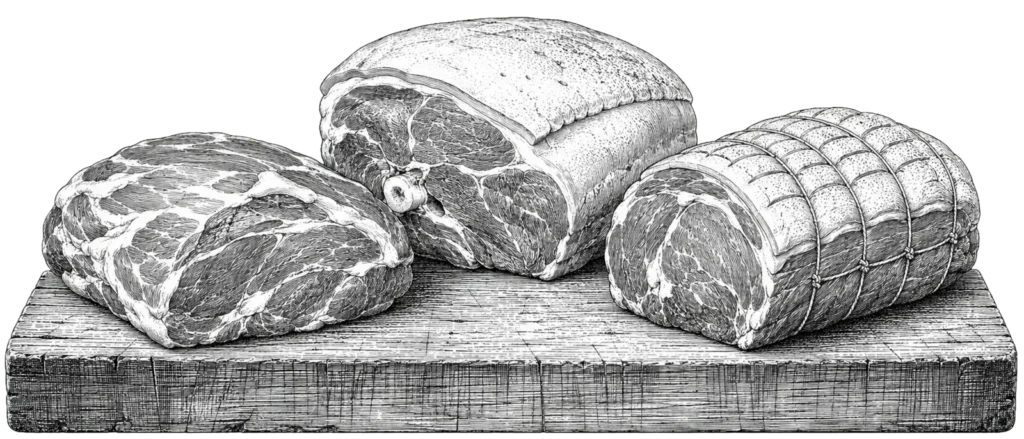
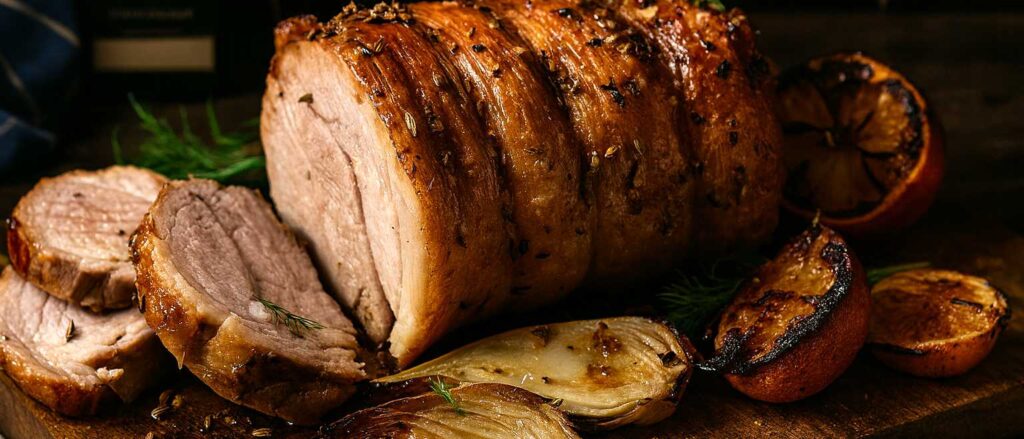
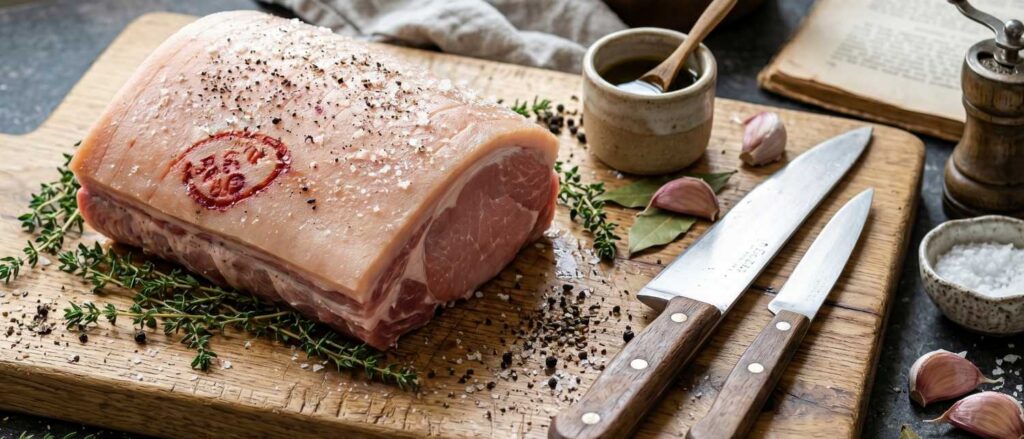
Rare-breed pork loin is at its best when the natural fat is allowed to protect the meat as it roasts. Here’s how to choose the right size, cook it accurately, rest it properly and carve it well.
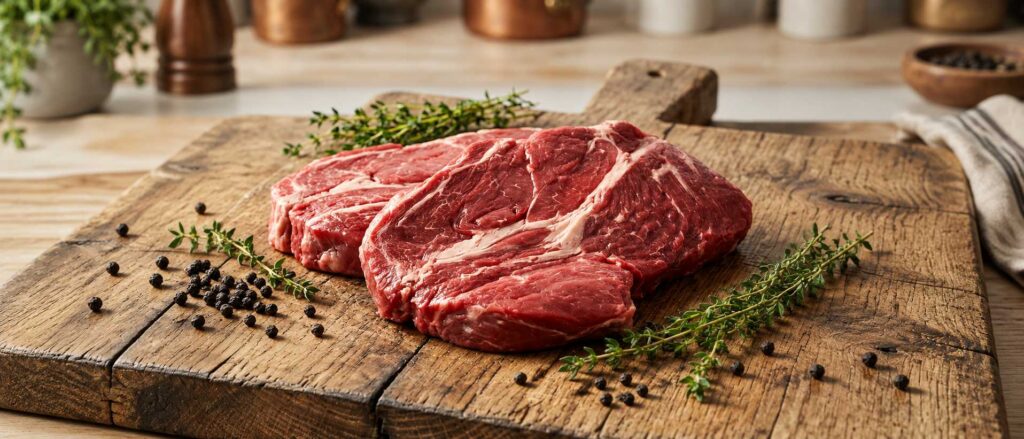
Chuck steak is made for patient cooking. Brown it well, add moisture and give the connective tissue enough time to soften, and this hardworking beef cut becomes tender, deeply savoury and ideal for autumn casseroles, braises and stews.
Yorkshire Lamb Saddle: How to Roast, Rest and Carve It Well
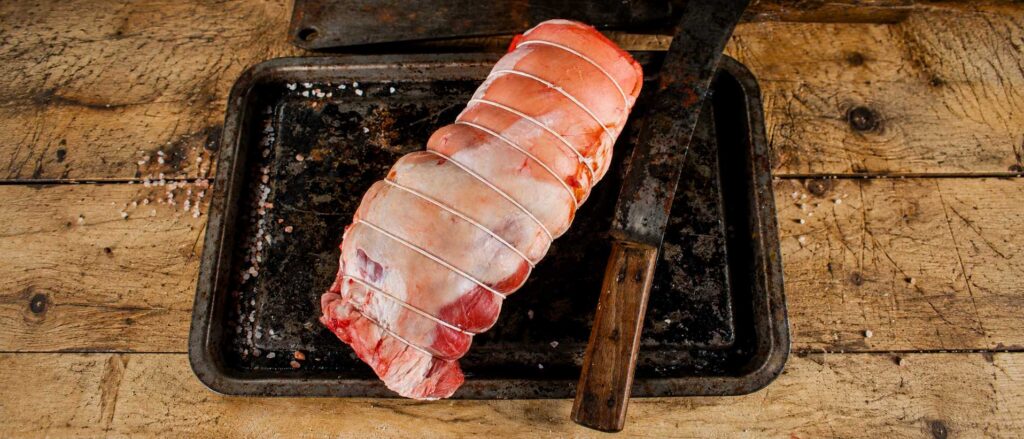
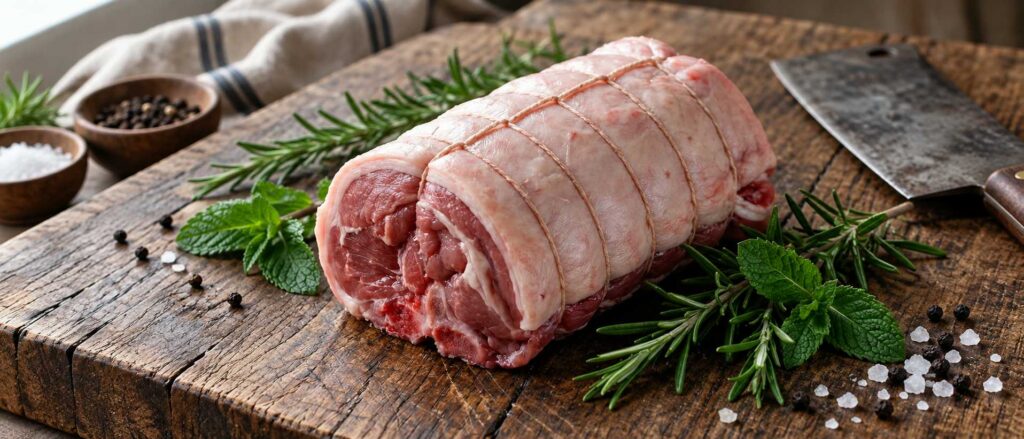
Lamb saddle is one of the neatest roasting joints in the butchery: tender loin and fillet meat, boned and rolled into an even joint that is straightforward to cook, rest and carve. Here is what the cut actually is and how to get the best from it.