Grid Iron Gourmet
Lamb shoulder is one of those cuts that makes much more sense when you understand what is going on inside it. It has more natural fat and connective tissue than leg, and rather than being something to work around, those are the reasons shoulder becomes so succulent when it is cooked slowly.
The aim is not to rush it. Give the joint gentle heat, let the connective tissue soften and then give it a proper rest. The result can be soft enough to carve into tender slices or, if you take it further, pull apart with a fork.
The fat and connective tissue running through lamb shoulder gradually soften during a long cook. That is why shoulder is particularly well suited to slow roasting and braising, and why trying to hurry it misses much of what makes the cut worthwhile.
Both make excellent roasting joints, but they behave differently. Lamb leg has a different muscle structure and suits a more traditional roast where you want firmer, clearly defined slices.
Shoulder contains more natural fat and connective tissue. It benefits from a longer, gentler cook and produces a richer, softer result. If you want a roast that can sit quietly in the oven while you get on with everything else, shoulder is difficult to beat.
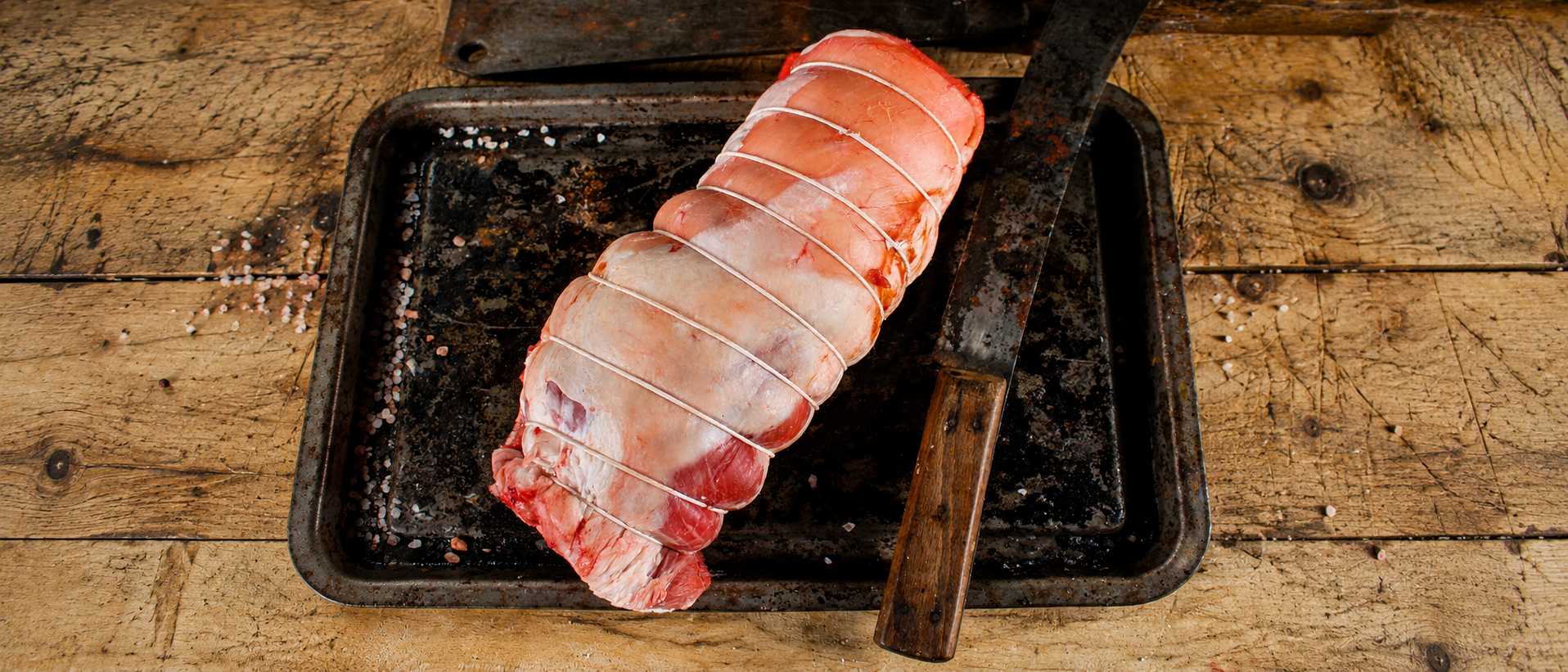
A boned-and-rolled shoulder is particularly straightforward to handle. The compact shape helps it cook evenly and makes carving much easier once the joint has rested.
As a useful starting point for a boned-and-rolled lamb shoulder, heat the oven to 180°C conventional / 160°C fan. Put the joint in a roasting dish with a small splash of water or stock, cover loosely and cook gently until tender.
These times are a guide rather than a finish line: shoulders vary, so use tenderness as the final test. A skewer or knife should slide in with very little resistance; for pulled lamb, carry on until the meat separates easily with forks.
With shoulder, tenderness is more useful than trying to make one cooking time fit every joint. Test it with a skewer or the point of a knife. For carving, you want very little resistance; for pulled lamb, continue cooking until the meat separates easily with forks.
The richer character of shoulder means it can take plenty of seasoning. Rosemary, garlic and mint remain classics, but there is no reason to stop there.
Cumin, coriander and harissa take it towards North Africa; garlic and anchovy add deep savouriness without making the finished joint taste overtly of fish. Shoulder also works exceptionally well in dishes where the cooking juices become part of the finished sauce.
A smaller boneless half shoulder makes sense for a smaller household or when you want a more manageable roast. A whole boneless shoulder of around 2kg is better suited to a larger table, a gathering or a meal where leftovers are part of the plan.
The cooking principle is the same for both: gentle heat, enough time for the joint to soften and a proper rest before serving.
Lamb shoulder is one of the best roasting joints to deliberately over-cater with. Leftover meat is excellent warmed gently in its cooking juices, folded into flatbreads, added to a curry or used in a shepherd’s pie.
It is equally good cold in a salad with something sharp and fresh to balance the richness.
Grid Iron Gourmet Collection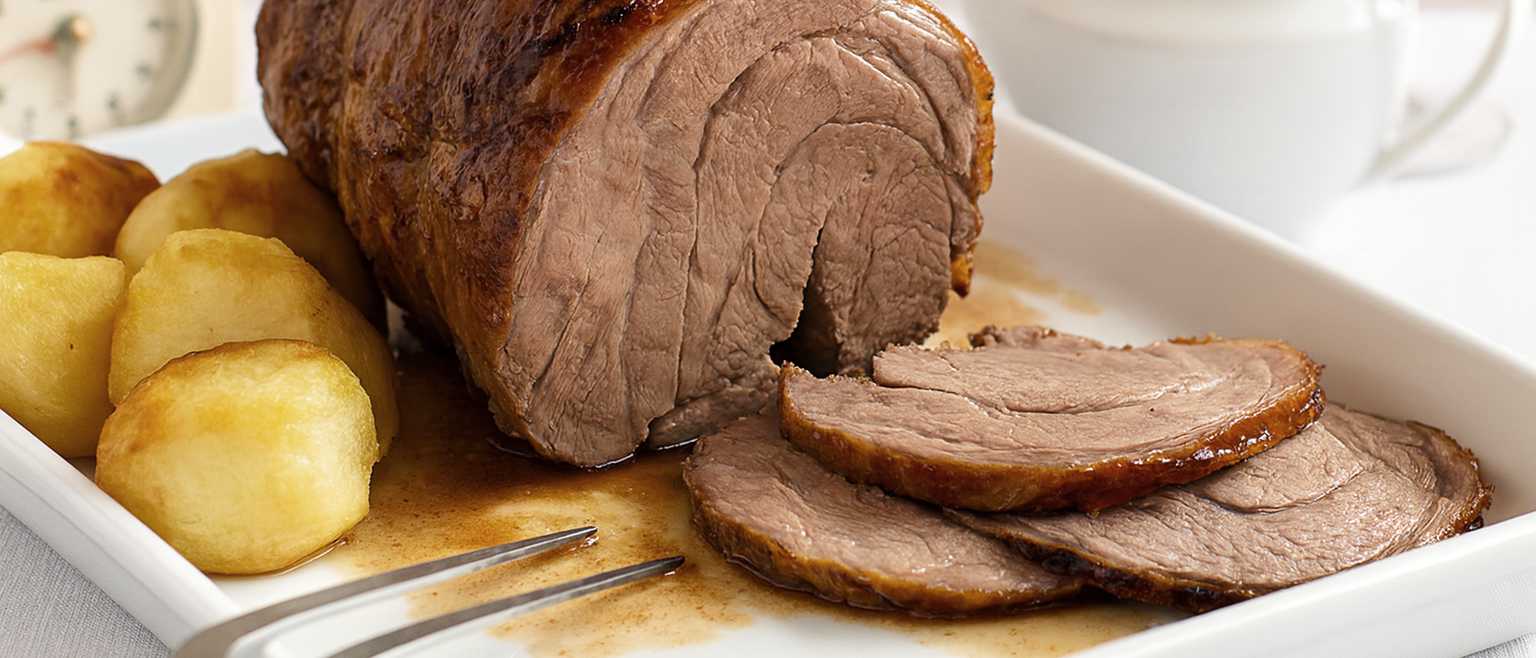
More slow roasts, comforting dishes and recipes built around the sort of cooking that starts to make sense as the days get cooler.
From the Butchery
A boned-and-rolled Yorkshire lamb shoulder with the natural fat and connective tissue that make this cut so well suited to slow roasting. A generous joint for a family table, gathering or a cook where leftovers are very much part of the plan.
Some cuts reward precision and speed; shoulder rewards patience. Its natural fat and connective tissue are part of what makes it such a satisfying joint to cook. Give it time rather than trying to make it behave like leg, and you get exactly the rich, yielding roast that shoulder is meant to be.