Grid Iron Gourmet
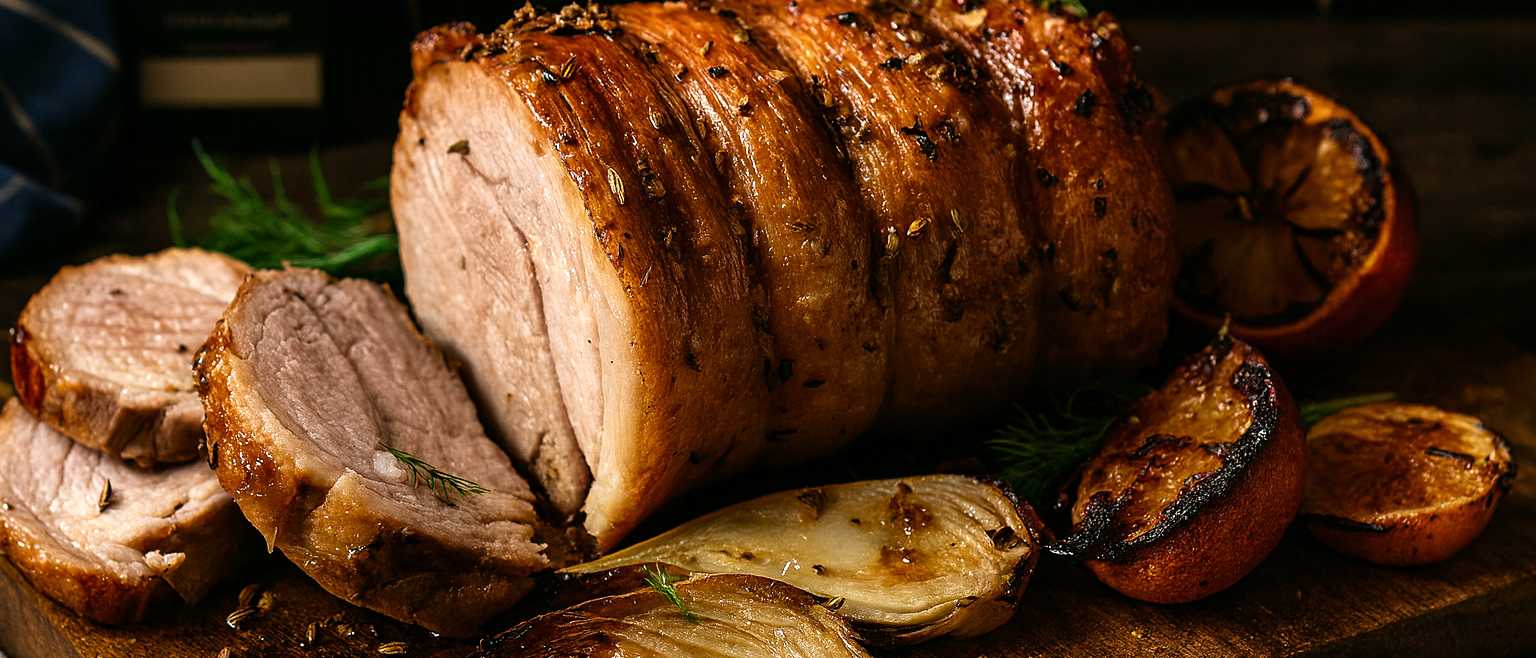
Pork shoulder is a cut that rewards patience. It comes from a harder-working part of the animal than loin, with more natural fat and connective tissue running through the meat. Given gentle heat and enough time, that structure gradually softens and the joint becomes rich, succulent and easy to carve.
Boned and rolled, it is also straightforward to handle: compact in the roasting tin, easy to portion and equally suited to a traditional roast or a softer, pull-apart finish.
The fat and connective tissue that make shoulder different from loin are exactly what make it so rewarding in a slow roast. As the joint cooks, they soften and help keep the meat moist, giving shoulder its characteristic richness and yielding texture.
They are both excellent roasting joints, but they need different treatment. Loin is relatively lean and suits a shorter, more precise roast when you want neat slices and a lighter texture.
Shoulder has more fat and connective tissue, so it benefits from a longer, gentler cook. The result is deeper flavour and softer meat, with much more tolerance for a leisurely Sunday roast.
A little preparation makes a noticeable difference, particularly if the joint has rind and you want good crackling.
Dry rind is important. Begin with a short burst of high heat to get the surface bubbling and colouring, then reduce the oven to around 150°C and let the shoulder cook more gently. The exact time depends on the size and shape of the joint, so use tenderness as well as the clock: the meat should feel yielding rather than tight when tested.
For a traditional roast, cook until the shoulder is tender enough to carve cleanly, then give it 15–20 minutes to rest before removing the string.
If you want a softer, pull-apart result, simply carry on with the slower part of the cook until the meat separates easily with forks. Shoulder is particularly forgiving when taken in this direction.
Apple, sage and mustard are reliable partners, but shoulder can take much bolder seasoning. Fennel, garlic and lemon work particularly well, as do paprika, cumin and chilli when you want something warmer and more aromatic.
For a classic autumn roast, serve it with roast roots, braised cabbage, potatoes and a gravy made from the roasting juices.
Our boned-and-rolled pork shoulder is available in three sizes, from a smaller joint for a few people through to a larger roast designed for a full table or deliberate leftovers.
Whichever size you choose, the cooking principle stays the same: dry the surface well, start with enough heat for the rind, then slow things down and let the shoulder become tender.
Pork shoulder is an excellent joint to cook a little larger than you need. Leftovers work in sandwiches, hash, tacos, pies or simply reheated gently with a little of the cooking liquor.
That makes a larger shoulder useful not just as a centrepiece, but as the basis for more than one meal.
Grid Iron Gourmet Collection
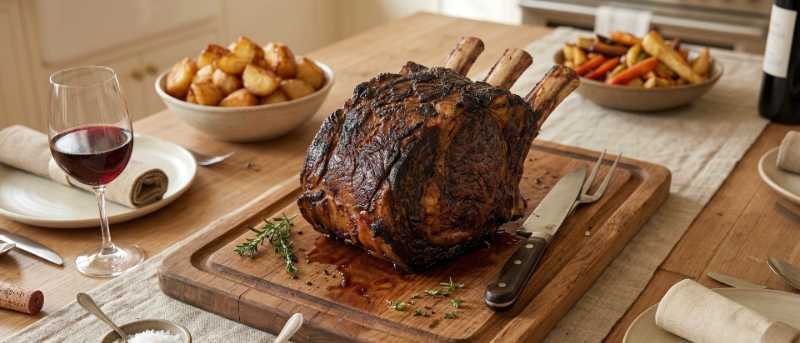
Slow roasts, comforting dishes and recipes that suit the cooler part of the year, including ideas for making the most of roasting joints and their leftovers.
The most useful thing to remember about pork shoulder is that it does not need to be rushed. A dry surface, an initial blast of heat and a slower finish give the cut time to do what it does best.
From the Butchery
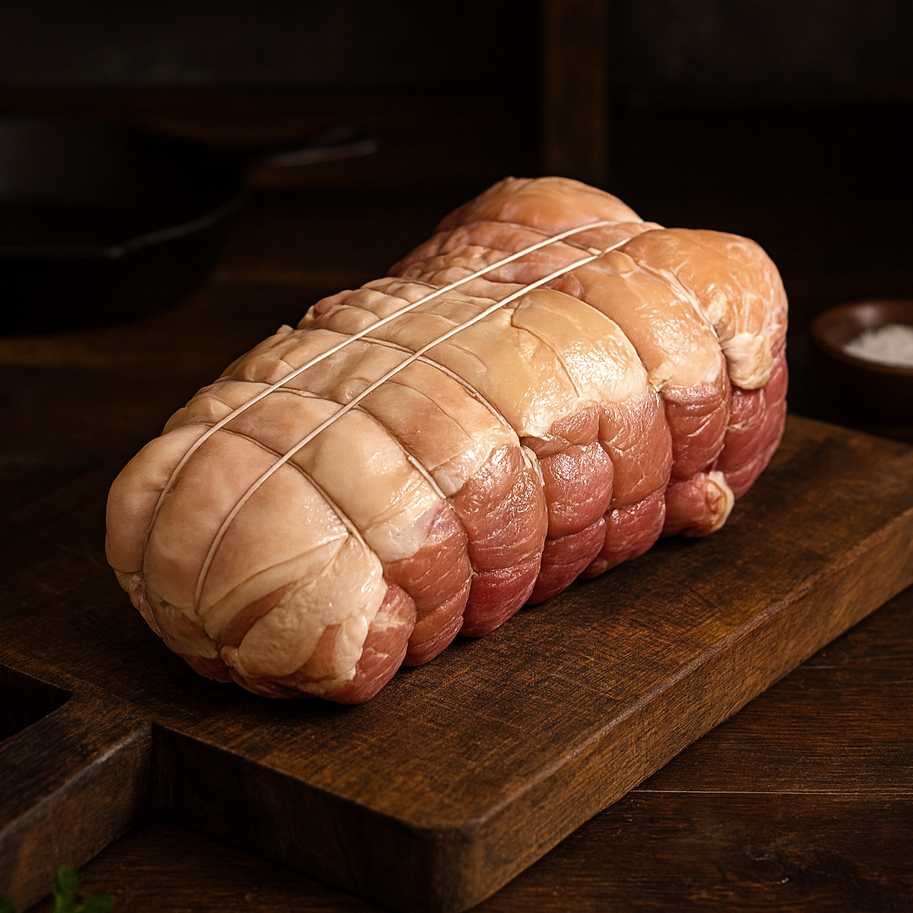
A versatile roasting joint with the natural fat and connective tissue that make shoulder so well suited to slower cooking. Available in three sizes for anything from a smaller roast to a larger family table.
Shoulder is one of the cuts that shows why different parts of the animal should be cooked differently. Rather than treating every roasting joint in the same way, work with the cut: give shoulder time, use its natural fat and structure to your advantage, and let the slower cook produce the rich, yielding result it is meant for.