A good butcher does more than prepare meat. From understanding the differences between cuts to helping customers cook with confidence, skilled butchery still has an important place in the modern kitchen.
Grid Iron Gourmet
A packet of meat can tell you its weight, price and name. It cannot always tell you whether that cut suits the meal you have in mind. That is where a good butcher should make a difference.
Butchery is about more than the work at the block. It is knowing how each part of an animal behaves, preparing it for the way it will be cooked and being able to explain those choices in plain English.
A successful meal starts with matching the cut to the cooking method. Advice that saves you from buying the wrong joint is every bit as valuable as the knife work that prepares it.
Two pieces of meat from the same animal can need very different treatment. Some muscles do little work and are naturally tender. Others contain more connective tissue and become tender with slower, gentler cooking.
A ribeye steak suits a hot pan or grill. Beef shin needs time in a covered pot. Neither cut is better in every situation. They are suited to different meals, and a butcher should be able to explain why.
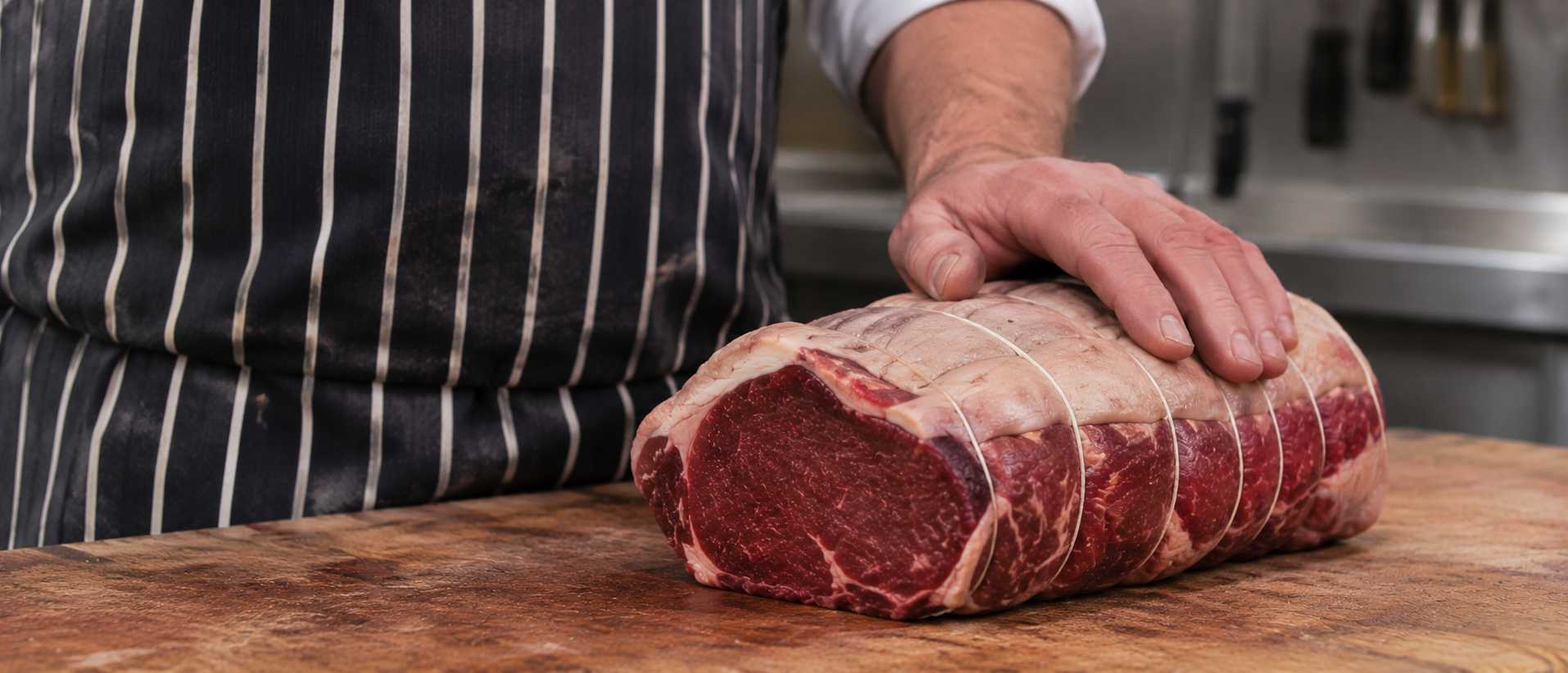
Cutting a steak to a useful thickness, trimming a joint carefully or tying a rolled roast neatly all help the cook at home. Even small decisions can affect how evenly a cut cooks and how easy it is to carve.
A bone-in joint may suit someone who wants a traditional roast to carve at the table. A boned and rolled joint may be easier for another household to portion and serve. Good preparation starts with knowing what the customer needs.
For a quick steak supper, ask about the balance of tenderness, flavour and budget. For a relaxed family roast, think about joint shape, how many people it must feed and how you want to carve it. For a slow-cooked dish, ask for a cut with enough connective tissue to reward the extra time.
When someone asks for meat for Sunday lunch, the useful questions are straightforward. How many people are coming? Do they want slices from a roast or meat that falls apart? How much time do they have to cook?
Those answers can lead to a more suitable cut, a different size or a simpler method. The aim should not be to sell the dearest item. It should be to help someone enjoy the meal they planned.
A butcher also needs to explain what happens after the meat leaves the shop. A thick steak, a lean roasting joint and a slow-cooking shoulder do not all benefit from the same approach.
Practical advice might mean using a thermometer, allowing time to rest before carving or slicing across the grain. None of those steps is complicated, but knowing which one matters for a particular cut can make a noticeable difference.
You do not need to know the names of every cut. A little information about the meal is usually enough to start a useful conversation.
Shoulder contains more connective tissue and suits a longer, gentler cook. Loin is leaner and works well as a more controlled roast. The useful question is not which is the more impressive joint, but which one suits your meal.
You should not have to stand at a counter to benefit from specialist knowledge. Online butchery has to make the same information clear through cut descriptions, preparation choices and practical cooking guides.
That is what we want Grid Iron Meat and Grid Iron Gourmet to offer together: carefully selected meat, clear information and useful help with choosing and cooking it.
Grid Iron Gourmet Guide
If you would like to know what to look for and what to ask when choosing meat, read our practical buying guide.
The most useful advice can be as simple as suggesting a different cut, changing the thickness of a steak or explaining when to take a roast out of the oven. Those are small choices, but they can improve the meal long before it reaches the table.
From the Butchery
From steaks and roasting joints to cuts that reward slow cooking, start with the meal you want to make and find a cut to suit it.
We believe butchery should help people choose with confidence, not overwhelm them with claims. We value native and heritage breeds, careful preparation and clear advice about the way each cut cooks. If we can help you choose the right meat for the meal, we have done an important part of our job.