
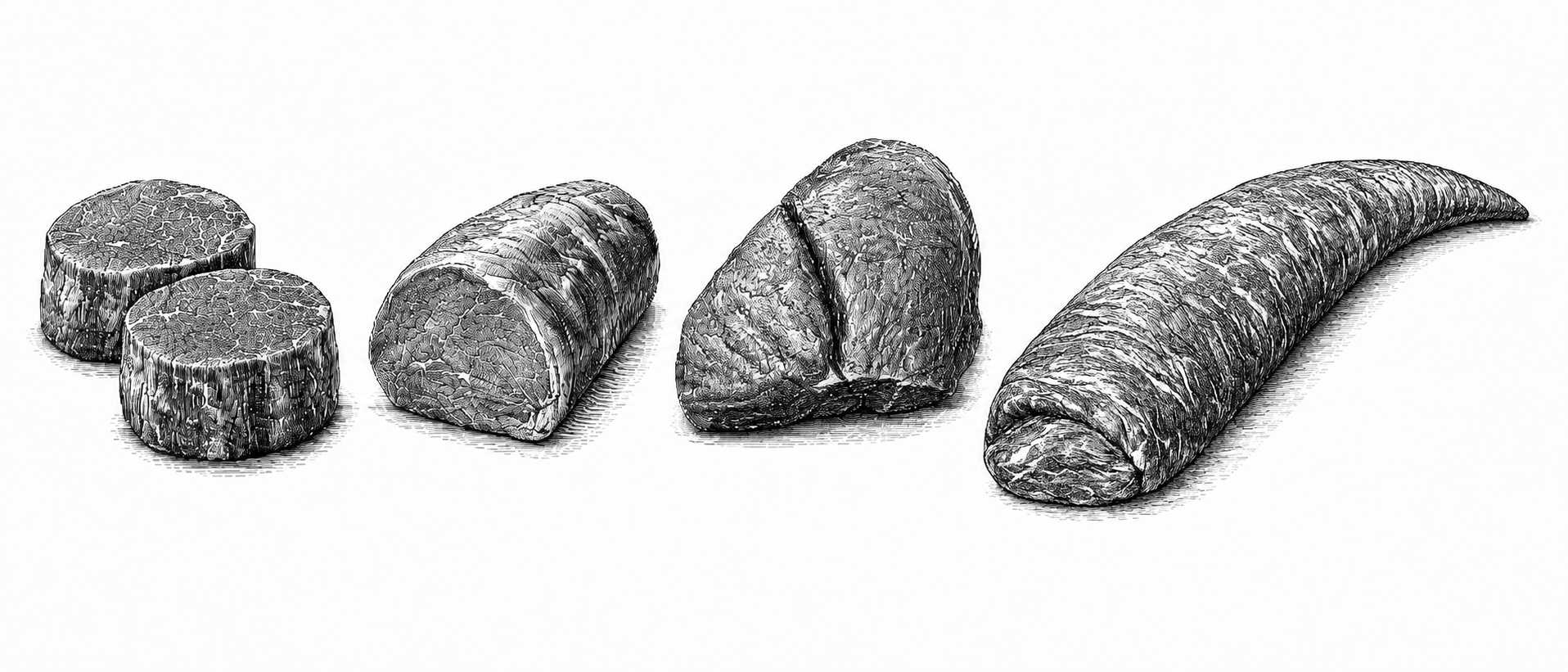
| Cut | Best for | Typical cooking style | Preparation required |
|---|---|---|---|
| Fillet steaks | Individual portions and steak suppers | Pan-frying, grilling or barbecuing | Very little |
| Centre-cut fillet | Roasting, Beef Wellington or cutting your own steaks | Roast whole or portion before cooking | Some, depending on use |
| Chateaubriand | A special sharing steak | Sear, roast gently and carve | Very little |
| Whole fillet | Maximum flexibility and larger gatherings | Portion into steaks, roasting joints and strips | The most |
The fillet is a long, narrow muscle that runs along the inside of the animal’s back. Because it does very little work, it has a fine texture and exceptional tenderness.
Fillet is considerably leaner than cuts such as ribeye and sirloin. It does not contain the same level of internal fat, so its appeal comes primarily from tenderness rather than rich marbling.
It is therefore best cooked carefully. High heat develops a well-browned exterior, while gentle finishing and sufficient resting help keep the centre tender and juicy.
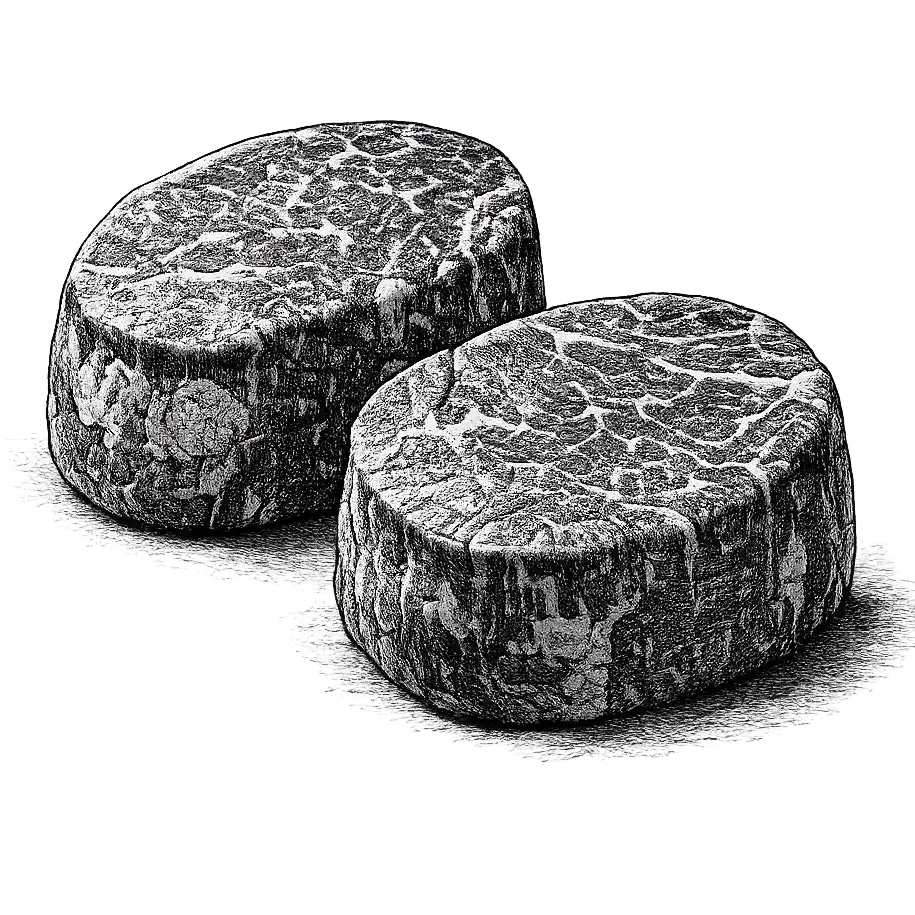 Fillet steaks are individual portions cut across the fillet. They are usually thick, compact and evenly shaped, making them straightforward to cook and serve.
They are the most convenient option when everyone is having their own steak. There is no need to trim a larger joint, calculate portions or carve the meat at the table.
Fillet steaks benefit from a hard initial sear, followed by gentler cooking until they reach the desired internal temperature. Because they are lean, avoid cooking them for longer than necessary.
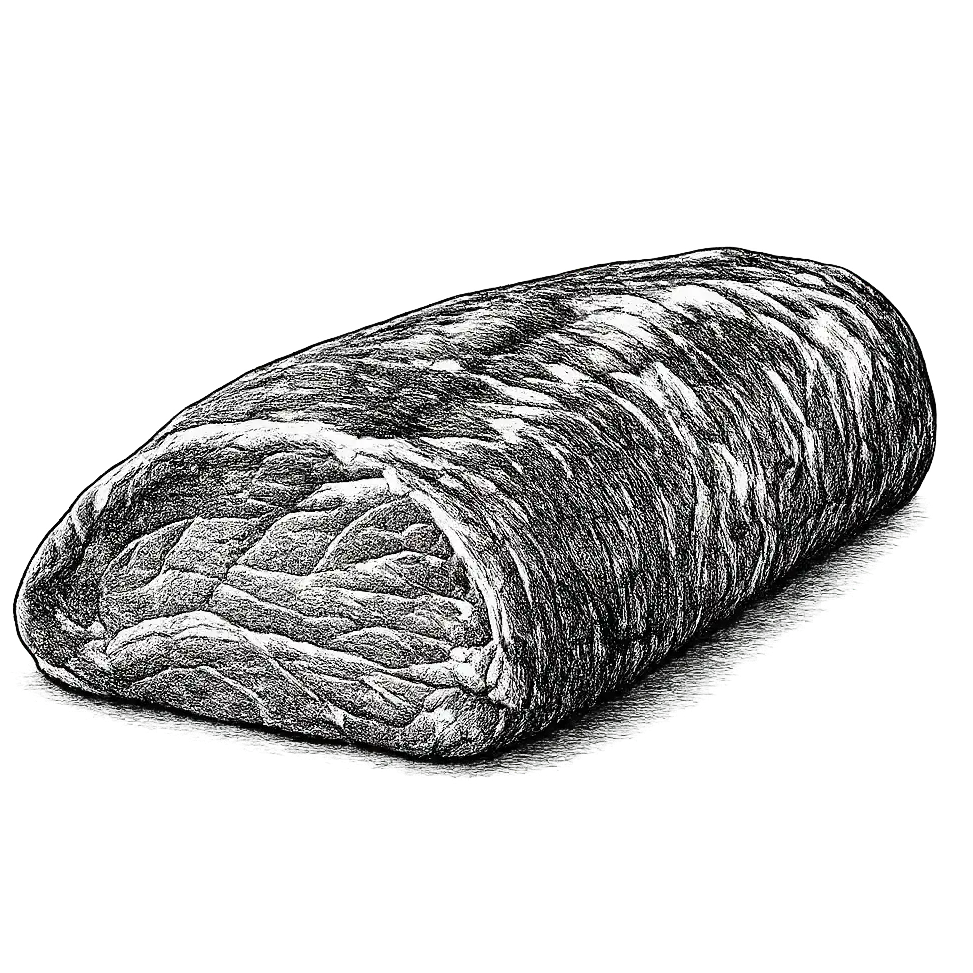 Centre-cut fillet is taken from the most evenly shaped central section of the fillet. It has a consistent thickness from one end to the other, making it particularly useful when even cooking and neat presentation are important.
It can be roasted as a small joint, cut into thick steaks or used to make Beef Wellington. Its uniform shape makes it easier to wrap in pastry and helps the meat cook consistently throughout.
Centre-cut fillet provides more flexibility than ready-cut steaks, but without the variation in thickness found across a complete fillet.
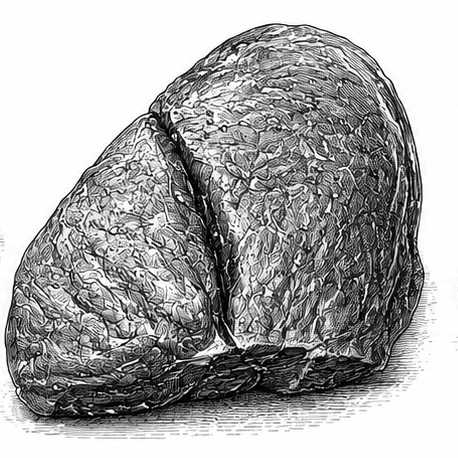 Chateaubriand is a thick sharing cut traditionally prepared from the substantial central part of the fillet.
Rather than being served as an individual steak, it is cooked as one piece and carved into thick slices. It is particularly well suited to a special meal for two, although a larger piece may serve more depending on its weight and the rest of the meal.
The best approach is to brown the outside thoroughly, then finish the meat more gently in the oven or over indirect heat. Rest it well before carving across the grain.
Chateaubriand is sometimes confused with centre-cut fillet because both come from the central section. The practical distinction is generally in how the meat is portioned and sold: chateaubriand is prepared as a thick sharing steak, while centre-cut fillet offers greater flexibility for roasting, portioning or making Wellington.
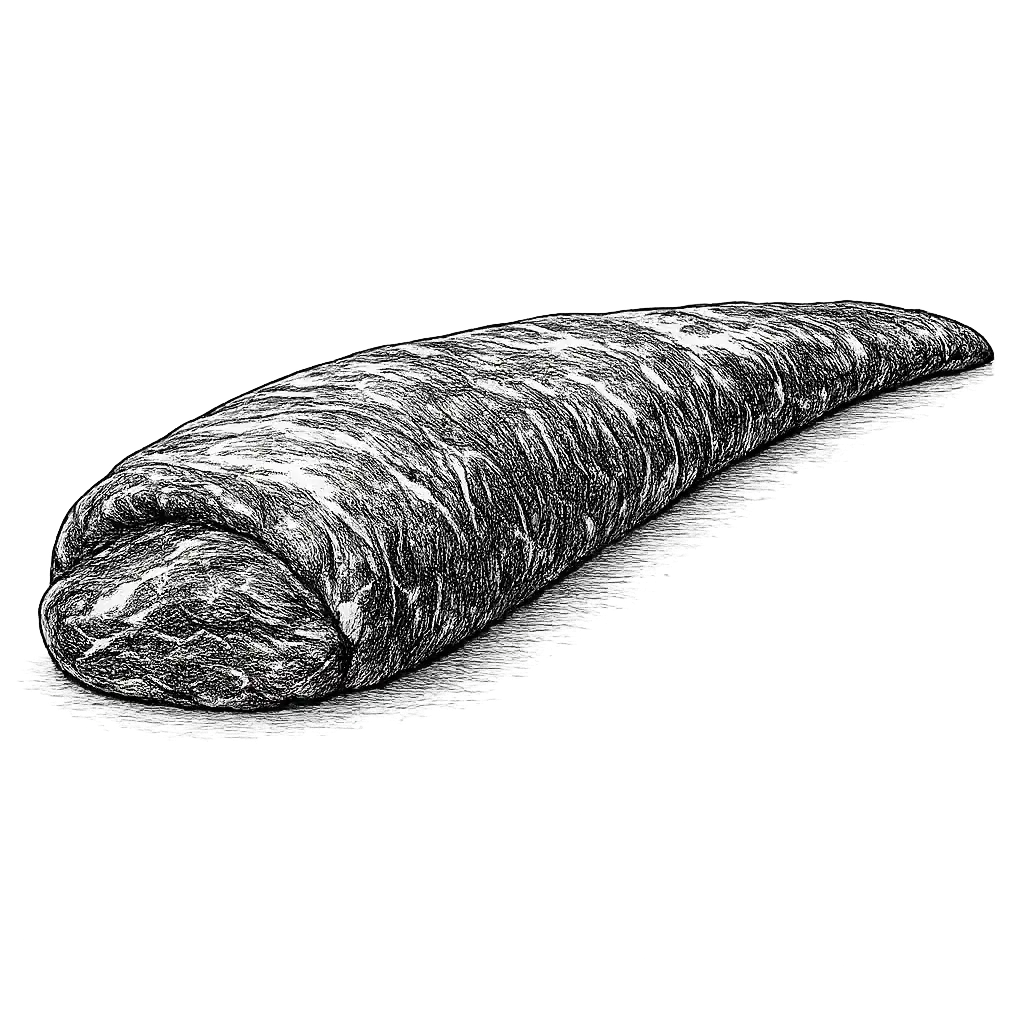 A whole fillet gives you the complete cut rather than one selected section. Its shape naturally changes along its length, with a thicker end, a more uniform centre and a narrower tail.
This makes it the most versatile option, particularly when cooking for a larger gathering or preparing several meals.
Depending on the size and how it has been trimmed, a whole fillet can be divided into:
A whole fillet requires more preparation than the other choices, but it gives you complete control over portion size and how each part is used.
These are the two cuts customers are most likely to confuse.
Both come from the thick, evenly shaped portion of the fillet, but they are usually bought for different purposes.
Choose centre-cut fillet when you want a versatile piece that can be roasted, cut into steaks or wrapped in pastry.
Choose chateaubriand when you want a ready-prepared sharing steak to cook whole and carve after resting.
For Beef Wellington, centre-cut fillet is generally the more suitable choice. For a steak dinner for two, chateaubriand is usually the more convenient option.
The main difference is how you want to serve the beef.
Fillet steaks provide separate portions. This allows each steak to be cooked for a different length of time, which is useful when people prefer different levels of doneness.
Chateaubriand is cooked as one piece and carved. It creates more of a shared dining experience and usually produces slices with a gradual change in doneness from the ends towards the centre.
Choose individual steaks for flexibility. Choose chateaubriand for presentation and sharing.
Centre-cut fillet is more uniform and requires less preparation. Almost every part can be cooked in the same way, whether you roast it whole or divide it into steaks.
Whole fillet offers greater flexibility and may be the better option when you are happy to use each section differently. The central portion can be roasted, the thicker sections cut into steaks and the narrower end used for quick-cooked dishes.
Choose centre cut for consistency and convenience. Choose whole fillet for variety and control.
The amount required depends on whether the beef is served as an individual steak or as part of a larger meal.
As a general starting point:
These are uncooked weights and should be adjusted for appetite, trimming, side dishes and the number of courses being served.
Because fillet is lean and delicately flavoured, it works particularly well with sauces and accompaniments that add richness.
Classic choices include:
For a simpler meal, serve sliced fillet with good bread, mustard and a fresh seasonal salad.
Whichever form you choose, the same principles apply.
Bring the meat out of the fridge before cooking so that it loses some of its chill. Pat the surface dry, season it well and use a properly heated pan, grill or barbecue to develop good colour.
Thicker steaks and larger pieces should be seared first and then finished over gentler heat. An instant-read meat thermometer is the most reliable way to judge doneness without repeatedly cutting into the beef.
After cooking, always rest the meat. A small steak may need only a few minutes, while a chateaubriand or roasting joint will require longer.
Fillet is naturally lean, so cooking it beyond the desired temperature can quickly reduce its tenderness and succulence.
Choose fillet steaks for easy individual portions and quick cooking.
Choose centre-cut fillet for Beef Wellington, an evenly shaped roast or steaks cut to your own preferred thickness.
Choose chateaubriand for a generous sharing steak and an impressive meal for two.
Choose whole fillet when you want maximum versatility, several meals or complete control over how the meat is portioned.
All four offer the tenderness associated with beef fillet. The difference lies mainly in convenience, presentation and the way you plan to cook and serve it.