Salt-baked whole picanha is one of those dishes that feels both theatrical and wonderfully simple. The salt crust protects the beef as it roasts, the fat cap bastes the meat from above, and the finished result is deeply savoury, juicy and full of proper beef flavour.
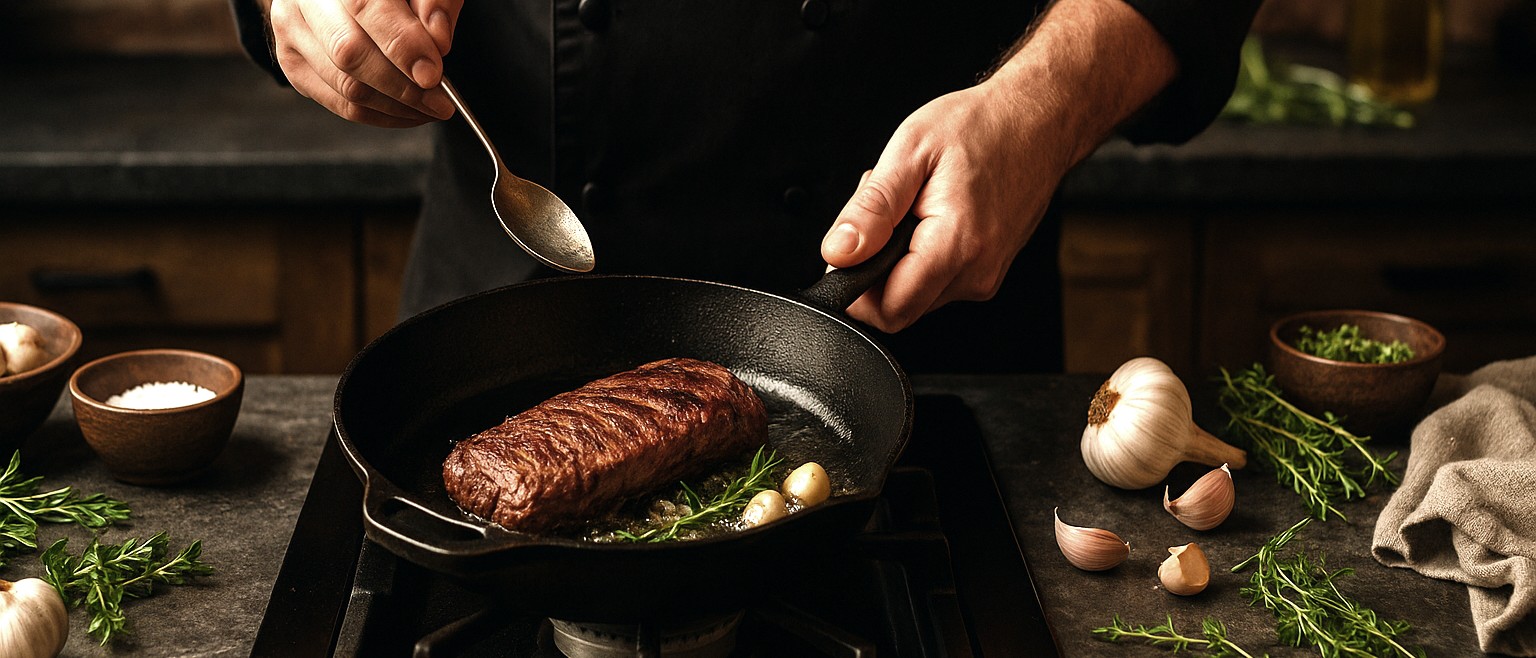
A whole picanha is usually best done in the oven because of its size and shape, but a smaller picanha can be cooked in a Ninja Foodi or similar multi-cooker using the Roast or Bake setting rather than a full salt crust. Rub the beef as above, then place it on the rack with the fat side up and cook at 200°C until the centre reaches 52-54°C for medium-rare. Depending on size, this will usually take around 25-35 minutes. Rest well before slicing. If your machine is large enough, you can form a lighter salt shell beneath and around the meat, but do not crowd it, as good air circulation matters.
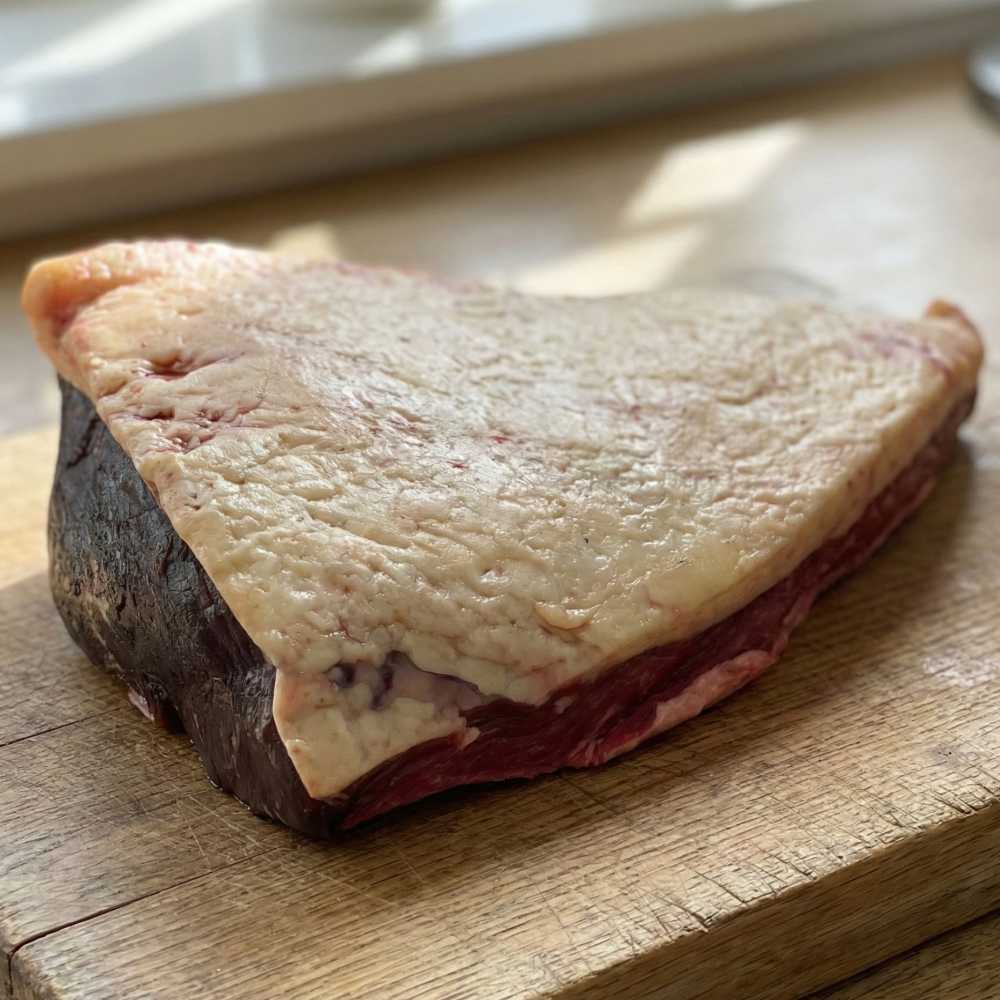
A favourite of Argentinian & Brazilian BBQ & flame cooking, this cut is much sought after. From the top of the rump and with a layer of fat, this joint is moist, tender and full of flavour when treated properly. Salt ageing adds to the tenderness and flavour.
£39.38
Sides
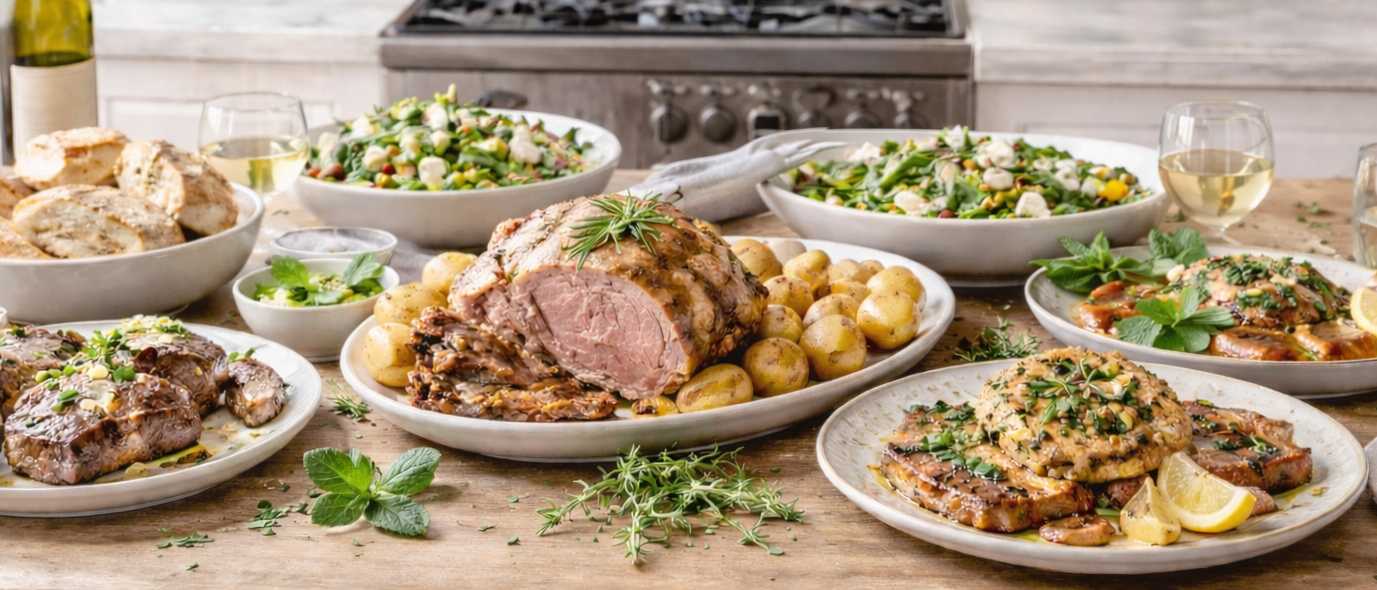
Beef dripping roast potatoes are a superb choice here, giving you crisp edges and a rich, savoury depth that stands up beautifully to the picanha. If you want something greener and sharper, a watercress salad with finely sliced shallot, lemon and olive oil cuts through the richness particularly well.
Charred tenderstem broccoli with a squeeze of lemon and a little chilli brings freshness and slight bitterness, while buttered green beans with shallots keep the plate elegant and simple. Dauphinoise potatoes are excellent if you want a more indulgent spread, especially for a special dinner.
Creamed spinach works very well with the beef’s fat cap and salt crust, giving a soft, luxurious contrast. For something a little brighter and more South American in feel, a tomato and red onion salad with red wine vinegar and parsley is a very natural partner.
Matches
Picanha works especially well with garlic, black pepper, rosemary, thyme, smoked paprika, mustard, horseradish, parsley, oregano, chimichurri, lemon, red wine vinegar, roast onions, tomatoes, watercress and charred peppers.
It also pairs beautifully with earthy, bitter and acidic notes, so things like spinach, rocket, grilled spring onions, pickled shallots and crisp potatoes all make excellent companions. If you want to lean further into a Brazilian-style table, cassava, grilled corn, farofa and bright herb sauces all sit very naturally alongside it.
Use a thermometer for this one, as the salt crust makes visual cues far less reliable than with an open roast. Keep the scoring on the fat cap shallow so the fat renders and bastes the meat rather than falling away.
Do not skip the resting time, as the crust keeps the heat in and the beef needs time to settle before carving. Slice carefully across the grain, because picanha is at its best when carved properly and served in juicy, well-defined slices.
If your picanha is on the smaller side, check it earlier than you think. This cut can move from medium-rare to medium more quickly than a larger rib or sirloin roast.
Red Wine
A good Malbec is an obvious and excellent match, with enough dark fruit and structure to handle the beef without overpowering it. Syrah or Shiraz also works beautifully, especially if it has black pepper and savoury spice notes that echo the crust and fat.
A Cabernet Sauvignon is very good if you are serving the picanha with potatoes and a fuller set of sides, bringing a firmer structure and cassis note that suits roast beef well. If you want something a touch more elegant, a Rioja Reserva can be a lovely choice, especially with its combination of fruit, oak and savoury maturity.
White Wine
A rich oaked Chardonnay can work surprisingly well here, especially if you are serving creamed spinach or dauphinoise alongside. Viognier is another useful option, bringing body and fragrance without feeling too sharp against the beef.
For a fresher white, a textured white Rioja or a fuller-bodied Chenin Blanc can be very good, particularly when there is plenty of herb sauce or salad on the table. These styles have enough presence to sit beside beef rather than disappearing.
Beer & Cider
A well-balanced amber ale is an excellent partner, with malt depth that suits the caramelised beef flavours without making the meal feel heavy. A robust pilsner can also work very well, especially if you want something cleaner and more refreshing against the fat cap.
For darker beer, a brown ale is often a very comfortable match, echoing the roast notes in the crust and the meat. If you prefer cider, go for a dry farmhouse cider with enough acidity to freshen the palate between slices.
Non-Alcoholic
Sparkling water with lemon is always useful with a rich cut like this, especially if you are serving several sides and sauces. A good alcohol-free dark lager or amber beer can work very well if you want that roast-friendly beer character without the alcohol.
For something more table-focused, a lightly sparkling blackcurrant and rosemary drink pairs nicely with beef, while a sharp apple and thyme cordial with soda gives freshness and a little herbal lift. Even a simple iced tea with lemon can work well if kept dry rather than sweet.