FREE UK MAINLAND DELIVERY ON ORDERS OVER £70

Whole Bavette on a Kamado Grill

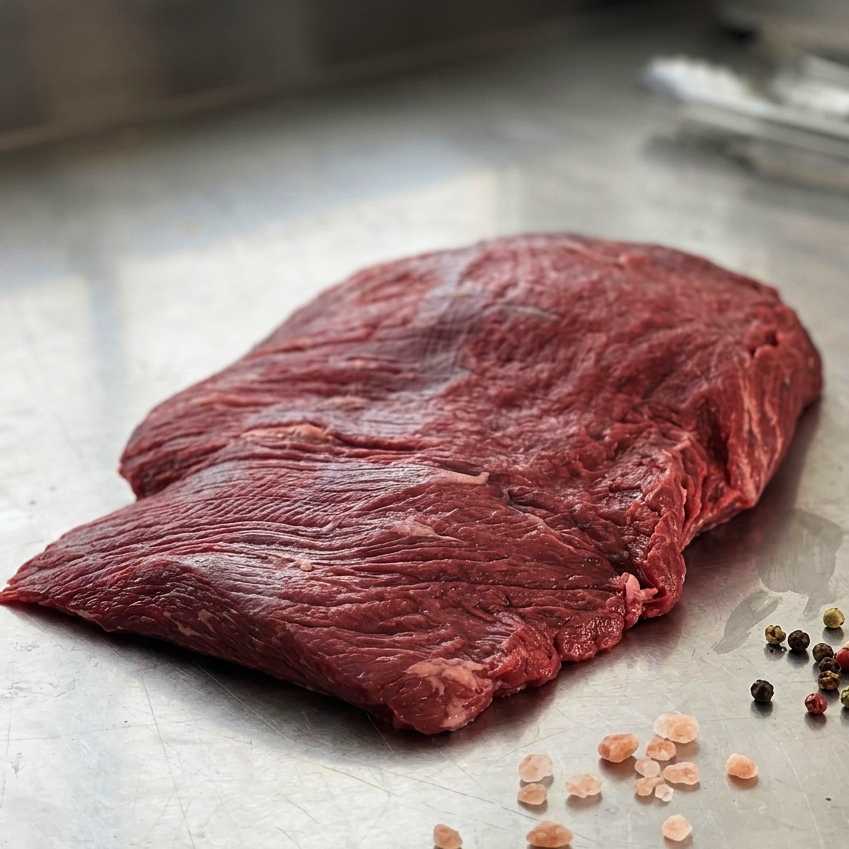
A whole bavette is a brilliant cut for the Kamado: deeply beefy, loose-grained, and superb when cooked hot and fast after a gentle smoke or indirect warm-through. The key is not to overcook it, then slice it correctly across the grain so it eats tender rather than chewy.

INGREDIENTS
  • 1 whole bavette, about 1.2kg
  • 2 tbsp olive oil
  • 2 tsp fine sea salt
  • 1 tsp freshly ground black pepper
  • 1 tsp garlic granules
  • 1 tsp smoked paprika
  • 1 tsp ground coriander
  • 1/2 tsp mustard powder
  • 1/2 tsp soft brown sugar
  • 30g unsalted butter, softened
  • 1 small garlic clove, finely grated
  • 1 tbsp finely chopped flat-leaf parsley
  • 1 tsp finely chopped rosemary
  • 1 tsp lemon zest
  • Flaky sea salt, to finish
METHOD

  1. Remove the bavette from the fridge 45–60 minutes before cooking. Pat it very dry with kitchen paper.
  2. Mix the fine sea salt, black pepper, garlic granules, smoked paprika, ground coriander, mustard powder and brown sugar. Rub the bavette all over with olive oil, then coat evenly with the seasoning.
  3. Make the herb butter by mixing the softened butter with the grated garlic, parsley, rosemary and lemon zest. Set aside at room temperature.
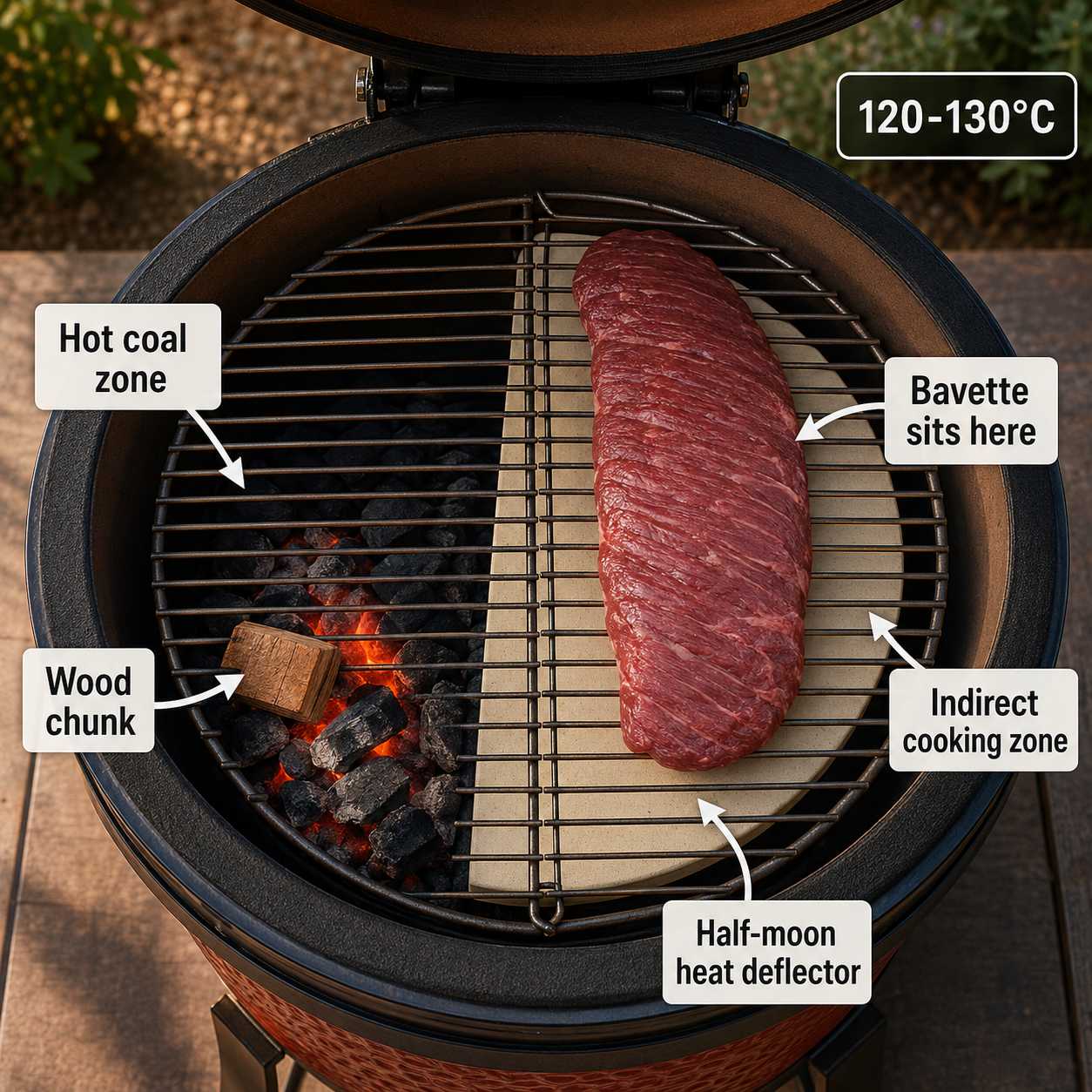
  4. Set up the Kamado for two-zone cooking. Aim for an indirect temperature of 120–130°C, using a heat deflector on one side or a half-moon deflector if your grill allows it. Add a small chunk of oak, cherry or whisky-barrel wood if you want a gentle smoke.
  5. Place the bavette on the indirect side of the grill. Cook with the lid closed until the thickest part reaches 42–45°C for rare, or 48–50°C for medium-rare. This should take roughly 25–40 minutes, depending on thickness and grill stability.
  6. Remove the bavette to a tray and open the vents to bring the Kamado up to a fierce searing heat, ideally 250–300°C. If your grill has cast iron grates, let them heat thoroughly.
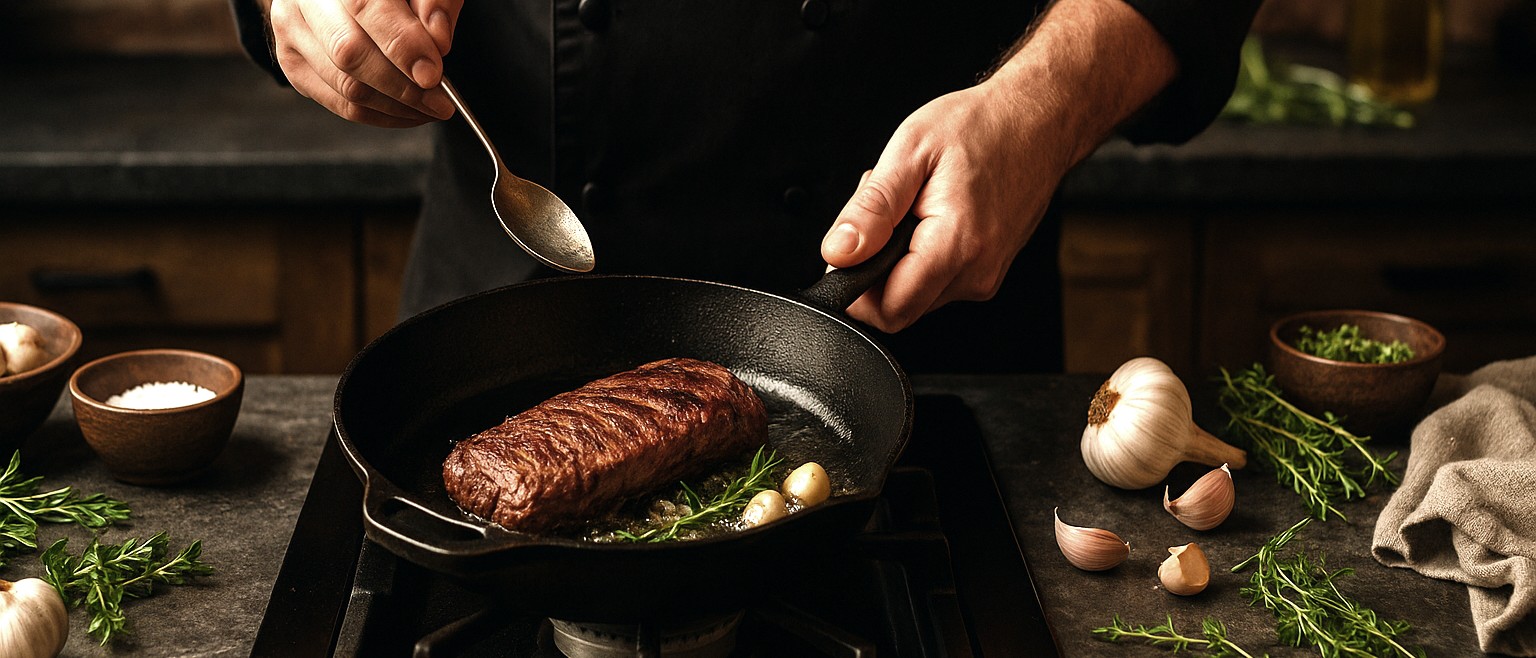
  7. Sear the bavette directly over the coals for 60–90 seconds per side, turning once or twice, until well browned and lightly charred at the edges. Pull it at 52–54°C for medium-rare, or 56–58°C for medium.
  8. Rest the bavette for 10–12 minutes, loosely covered. Spoon the herb butter over the hot steak while it rests.
  9. To serve, identify the grain. Bavette often has a strong diagonal grain, so slice across it into thin strips, holding the knife at a slight angle. Finish with flaky sea salt and any resting juices.

Multi-Cooker Option

Ninja Foodi / Air Fryer

This works as a fallback, though the Kamado gives a better crust and smoke.

  1. Season the bavette as above and rest at room temperature for 45 minutes.
  2. Preheat on Roast or Air Crisp at 200°C for 5 minutes.
  3. Cook the bavette for 8–12 minutes, turning halfway, until it reaches 48–50°C internally.
  4. Increase to Max Crisp or the highest Air Crisp setting for 2–4 minutes to build colour.
  5. Rest for 10–12 minutes, then slice thinly across the grain.

Internal temperature goals: 52–54°C for medium-rare, 56–58°C for medium. Avoid going beyond medium, as bavette becomes noticeably firmer.

Sides

Crisp rosemary roast potatoes with garlic and sea salt are excellent here, especially if finished in beef dripping or olive oil.

A green bean, shallot and mustard salad brings freshness and cuts through the richness of the steak.

Charred hispi cabbage with lemon butter works beautifully on the Kamado alongside the bavette, picking up a little smoke and sweetness.

Creamed horseradish mash is a comforting match if you want something softer and more classic.

Matches

  • Garlic
  • Rosemary
  • Thyme
  • Parsley
  • Mustard
  • Horseradish
  • Chimichurri
  • Salsa verde
  • Black pepper
  • Smoked paprika
  • Lemon zest
  • Red wine vinegar
  • Charred onions
  • Roasted mushrooms
Preparation Time: 15 minutes active prep, plus 45–60 minutes bringing the meat towards room temperature.
Cooking Time: 35–55 minutes, including indirect cooking, searing and resting. Total Time 1 hour 35 minutes to 2 hours.

Hot Tips

Do not skip the resting time. Bavette has long fibres and benefits hugely from a proper rest before slicing.

Use a probe thermometer rather than timing alone. The shape of a whole bavette can vary, with thin and thick sections cooking at different speeds.

If one end is much thinner, angle it slightly away from the hottest part of the grill during the sear.

Slice thinner than you think. Thick slices can feel chewy even when the steak is perfectly cooked.

For extra flavour, season the bavette the night before and leave it uncovered in the fridge. This lightly dry-brines the meat and helps the crust form.