 Whole Native Breed Bavette
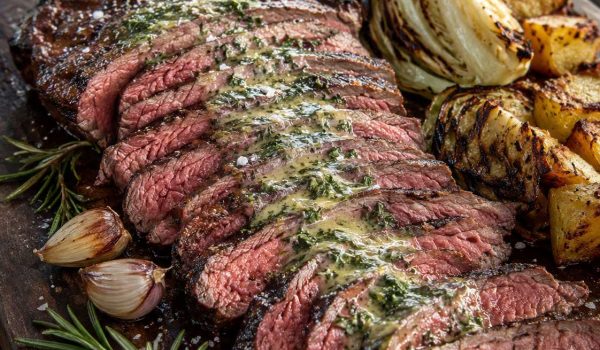
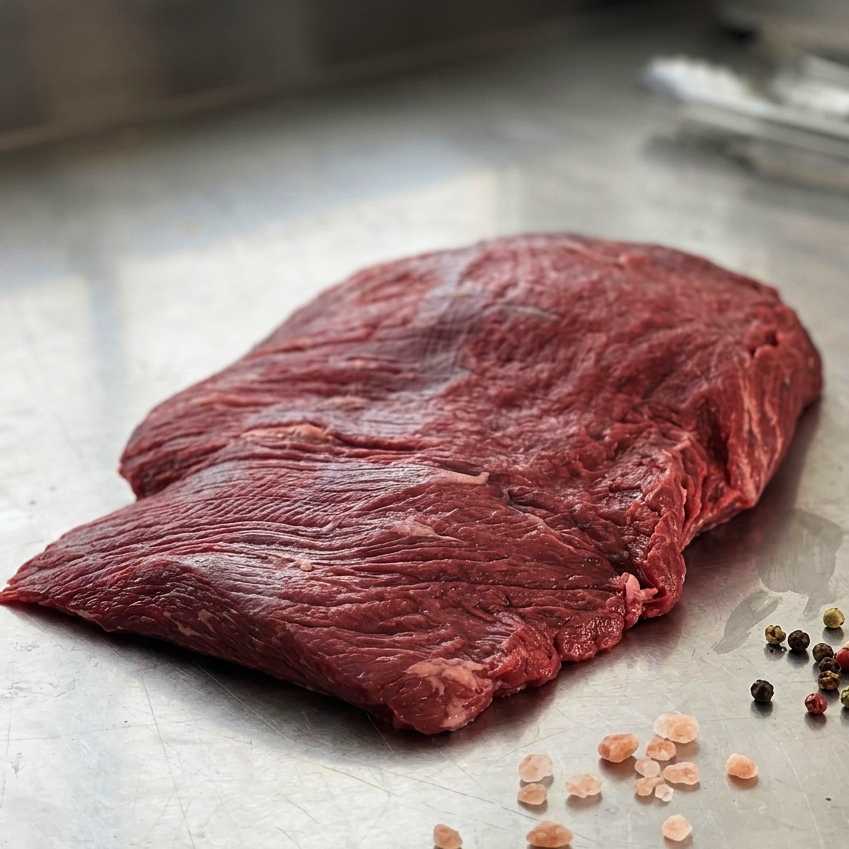
Our whole native breed beef bavette is a proper butcher’s cut: full of flavour, pleasingly rustic, and far more interesting than it has any right to be. Cut from the flank, bavette has a naturally open grain and a rich, beefy character that makes it a favourite with chefs and anyone who enjoys a steak with a bit of personality.
This piece weighs around 1.2kg, making it a brilliant centrepiece for sharing. Cook it whole over a fierce heat, either in a heavy pan, under the grill or on the barbecue, then give it a good rest before carving thinly across the grain. That last bit matters. Slice it the wrong way and it will sulk on the plate; slice it properly and you’ll get tender, juicy pieces with bags of flavour.
Native breed beef brings depth and character, with a more traditional flavour than fast-grown commercial beef. Bavette works beautifully with chimichurri, peppercorn sauce, garlic butter, salsa verde or a simple mustardy dressing. Serve with chips, roast tomatoes and a green salad, or pile it into warm flatbreads with onions and something sharp to cut through the richness.
Bavette, also known as flank steak, is a deeply flavoured, open-grained cut that rewards simple, confident cooking. It is best treated as a steak rather than a roasting joint: cook it hot, rest it properly, then slice thinly across the grain.
The flavour is rich and beefy, with a slightly looser texture than sirloin or ribeye. That texture is part of its appeal, but it also means the cooking and carving technique matters.
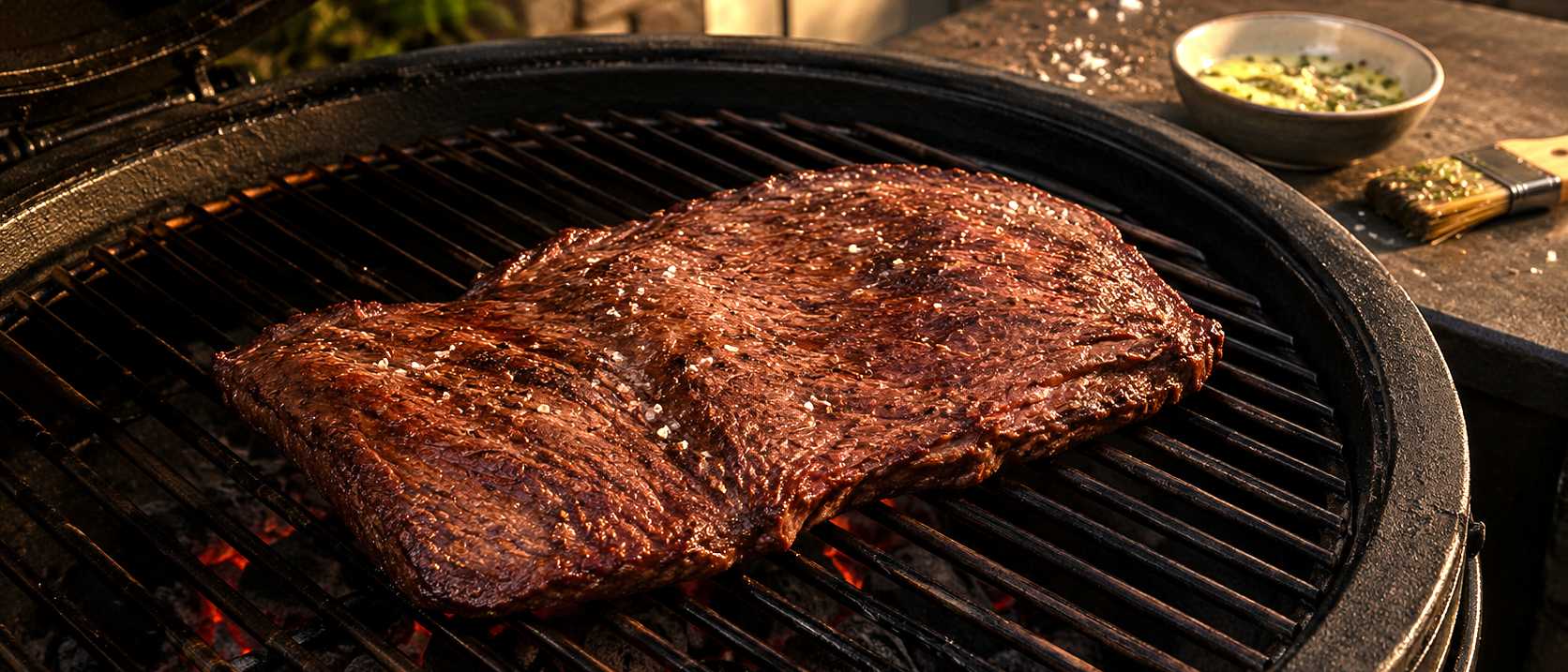
Bavette is at its best when seared quickly over a high heat. Use a hot BBQ, kamado grill, cast iron pan or griddle to create a deep, savoury crust while keeping the centre juicy and pink.
Avoid slow roasting it like a traditional joint, as it can become firm and chewy if cooked too far.
For the best texture, bavette should be served pink. Medium-rare gives the best balance of tenderness, juiciness and flavour.
As a guide, remove from the heat at:
The temperature will usually rise by a few degrees as the meat rests.
Rest the bavette for 8–10 minutes after cooking. This allows the juices to settle and gives a more tender, even result.
A loose cover with foil is fine, but avoid wrapping it tightly, as this can soften the crust.
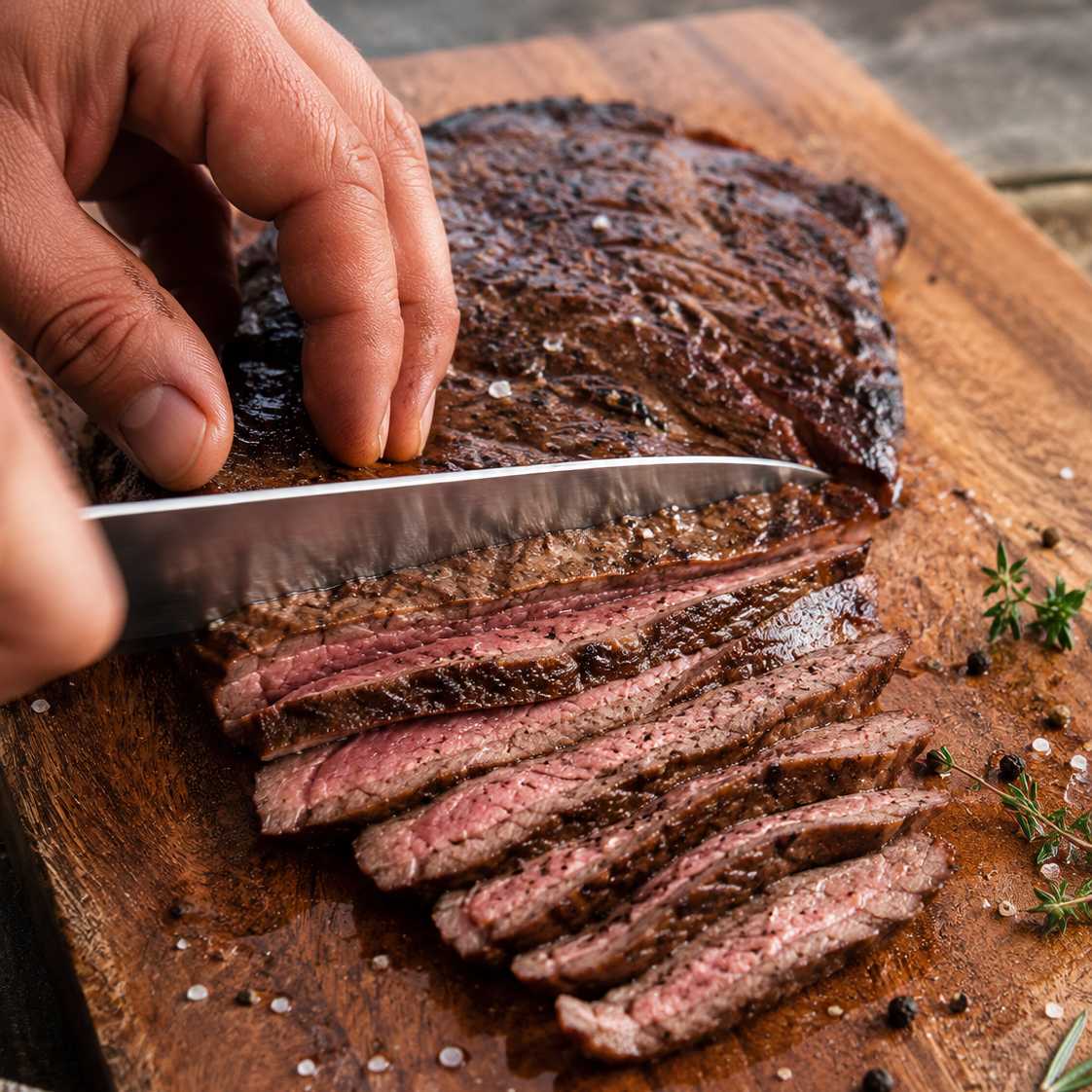
This is the most important step. Bavette has long, visible muscle fibres running through it. If you slice with the grain, it will eat tougher.
Cut thin slices across the grain, ideally at a slight angle. This shortens the fibres and makes the beef much more tender.
This is one of the best ways to cook a whole bavette. Grill over direct high heat for around 3–5 minutes per side, depending on thickness, then rest well before slicing.
A little smoke and char work beautifully with the rich beef flavour.
For indoor cooking, use a heavy cast iron pan or griddle. Heat it until very hot, oil the beef lightly, then sear hard on both sides.
For extra flavour, finish with a little butter, garlic and thyme in the final minute.
For thicker pieces, cook gently in the oven at 120°C fan until nearly at temperature, then sear hard in a hot pan or over charcoal. This gives a more even pink centre.
Sous vide is excellent for precision. Cook at 52–54°C for 2–3 hours, then dry the surface thoroughly and sear hard for a deep crust.
A whole bavette can be cooked in a Ninja Foodi if it fits comfortably. Use Air Crisp or Grill at 200–210°C, turning halfway, and check the internal temperature early.
Bavette takes marinades well because of its open texture, but it does not need to be complicated. Salt, pepper and a little oil are enough if the beef is good.
Good flavour combinations include:
Avoid leaving it too long in very acidic marinades. Around 2–4 hours is usually enough.
 Serving Ideas
Sliced bavette works well as a sharing steak, served on a board with its resting juices. It is excellent with chips, watercress, garlic butter, peppercorn sauce or chimichurri.
It also makes superb fajitas, tacos, steak salads, rice bowls and flatbreads. The strong beef flavour stands up well to bold sauces, charred vegetables, pickles, herbs and spice.
The secret to bavette is not complicated cooking — it is timing and carving. Get the pan or grill properly hot, keep the centre pink, rest it well, then slice thinly across the grain. Done properly, it is one of the most rewarding and flavourful steaks to cook whole.