FREE UK MAINLAND DELIVERY ON ORDERS OVER £50

How to Cook Beef Rib Roast

A celebration of British beef at its best — our guide walks you through how to cook the perfect rib roast, from choosing the right cut to mastering the cook. Whether you like it blushing pink or slow-roasted to falling-apart tenderness, we cover oven timings, resting tips, and serving suggestions to make this the centrepiece of a proper Sunday roast.

INGREDIENTS

Ingredients:

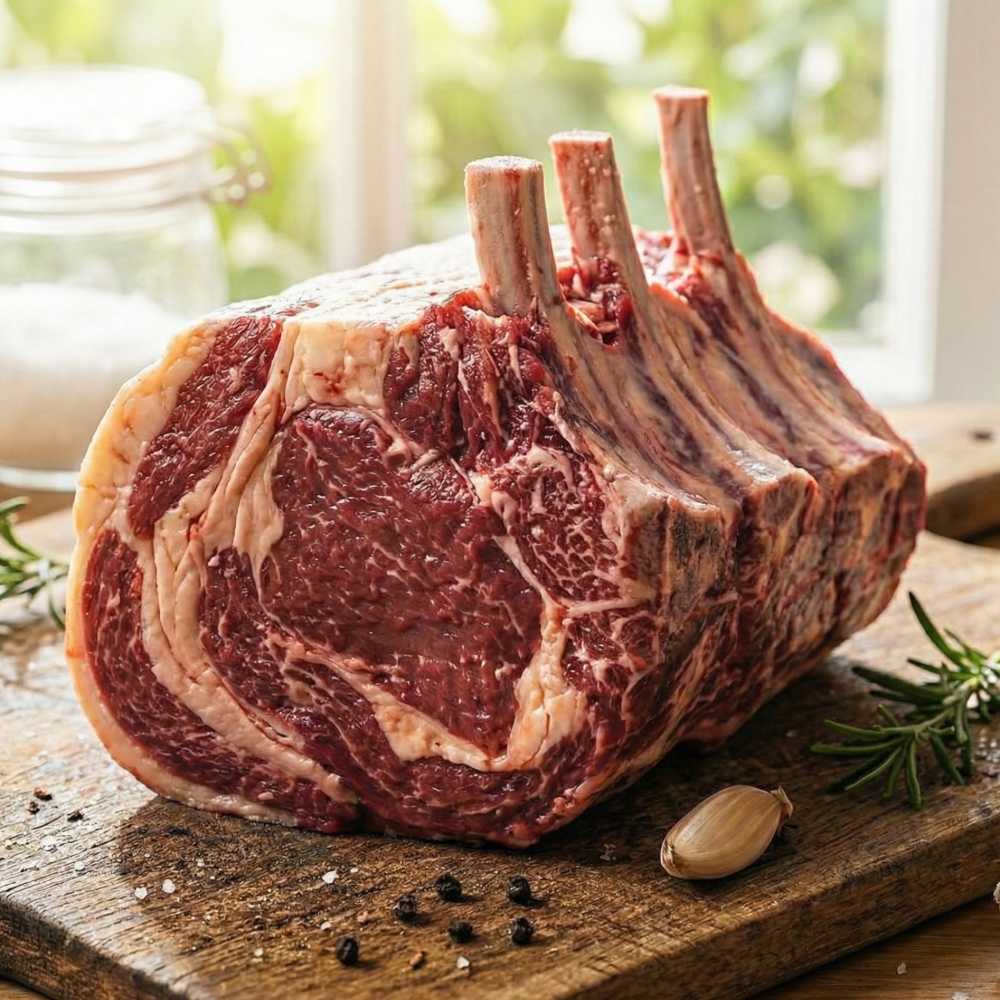
  • Forerib of beef (usually 2-4 ribs, depending on the number of servings)
  • Sea salt
  • Freshly ground black pepper
  • Olive oil
  • Optional: garlic cloves, rosemary, and thyme sprigs

Equipment:

  • Roasting tin
  • Meat thermometer
  • Kitchen twine
  • Aluminium foil
METHOD

Cooking a forerib of beef can be a rewarding experience, offering a succulent, tasty result that's perfect for special occasions or an indulgent Sunday lunch. Here's a basic guide:

Preparation:

  • Remove the forerib from the refrigerator at least an hour before cooking to allow it to come to room temperature.
  • Preheat your oven to 240°C (220°C for fan ovens).

Seasoning:

  • Rub the forerib generously with sea salt and freshly ground black pepper. You can also add a drizzle of olive oil to help the seasoning stick.
  • Optionally, you can insert garlic cloves and sprigs of rosemary and/or thyme between the ribs for added flavour.

Initial Searing:

  • Place the forerib in a roasting tin, bone-side down, and put it into the preheated oven for 20-25 minutes. This initial high heat will help form a delicious crust.

Roasting:

  • After the initial sear, reduce the oven temperature to 190°C (170°C for fan ovens).
  • Roast for approximately 15-20 minutes per 500g for medium-rare, adjusting time for your preferred doneness.
  • Use a meat thermometer to check the internal temperature. For medium-rare, aim for an internal temperature of 55-60°C.

Resting:

  • Once the roast reaches your desired internal temperature, remove it from the oven.
  • Cover it loosely with aluminium foil and let it rest for at least 20 minutes. Resting allows the juices to redistribute, resulting in a more tender and juicy roast.

Serving:

  • After resting, carve the roast between the ribs for serving.

Remember, the above is a guide and cooking times may vary based on the specific size and shape of your forerib, as well as your oven's peculiarities. Always use a meat thermometer for the most accurate results. Enjoy this premium cut!
When it comes to a luxurious cut like a forerib of beef, you want accompaniments that not only complement but also enhance its rich, robust flavours. Here are some pairing suggestions:
Side Dishes:

  • Roast Potatoes: Golden and crisp, they're a classic accompaniment that adds both texture and comfort.
  • Yorkshire Puddings: Being in North Yorkshire, we appreciate this quintessential British side. Its fluffy, airy structure is ideal for mopping up those delicious beef juices.
  • Honey-Glazed Carrots and Parsnips: Their natural sweetness provides a delightful contrast to the savoury beef.
  • Steamed Green Beans or Asparagus: A lighter option to balance the meal, seasoned simply with olive oil, salt, and a splash of lemon.
  • Creamed Spinach or Swiss Chard: Offers a lush, velvety texture that's comforting yet sophisticated.

Sauces:

  • Red Wine Jus: A reduction of good-quality red wine, beef stock, and a hint of rosemary can add a touch of elegance.
  • Horseradish Cream: The spiciness cuts through the richness of the beef beautifully.
  • Béarnaise Sauce: A more decadent option, its tarragon notes will accentuate the beef's natural flavours.
  • Peppercorn Sauce: For those who enjoy a bit of heat, this creamy sauce adds a delightful kick.

Herbs and Spices:

  • Rosemary: This aromatic herb imparts a woodsy flavour, accentuating the beef's natural richness.
  • Thyme: Offers a subtle earthy note, complementing the beef without overpowering it.
  • Garlic: A staple that can either be sliced and inserted into slits in the beef or used in a rub.
  • Black Pepper: Freshly cracked black pepper provides a bit of heat and spice.
  • Horseradish: Whether in sauce form or freshly grated, its sharpness balances the fattiness of the beef.

Vegetables:

  • Shallots or Red Onion: Roasting these alongside your beef allows their natural sweetness to develop, providing a nice contrast.
  • Mushrooms: Their umami richness makes them a perfect partner for beef. Varieties like cremini, shiitake, or portobello work well.
  • Carrots: These can be roasted to sweetness, providing a contrast to the savoury beef.
  • Potatoes: Roasted, mashed, or au gratin—potatoes and beef are a time-tested pairing.
  • Green Beans or Asparagus: A lighter, greener option to balance out the richness of the meat.

Fruits:

  • Red Currants: Often used in sauces or jellies, their tartness can cut through the richness of the beef.
  • Blackberries: An unconventional but delightful pairing, often reduced into sauces.
  • Cherries: Dark cherries, in a reduction or sauce, add a different kind of sweet-and-sour profile that pairs well.

Dairy:

  • Blue Cheese: A crumbled topping for a stronger flavour profile, or in a sauce for a subtler touch.
  • Double Cream: For making sauces or gravies, its fat content carries flavours well.
  • Parmesan: Grated over roasted vegetables or incorporated into a side dish like risotto.

Sauces and Condiments:

  • Dijon Mustard: Its sharpness can be used either as a pre-roast rub or as a condiment.
  • Worcestershire Sauce: Adds umami and depth to marinades or sauces.
  • Red Wine or Beef Stock: Ideal for deglazing pans or making reductions to capture all those sumptuous beefy flavours.


Hot Tips

  • Oven Thermometer: Ovens can be fickle, so having a separate oven thermometer can help you ensure you're cooking at the right temperature.
  • Bone as a Heat Shield: Place the meat bone-side down in the roasting tin. The bone acts as a natural heat shield, allowing the meat to cook more evenly.
  • Deglaze the Pan: While the meat is resting, deglaze the pan with some red wine or beef stock to make a luxurious sauce.
  • Slice Against the Grain: When it's time to serve, make sure you're cutting against the muscle fibres for the most tender eating experience.