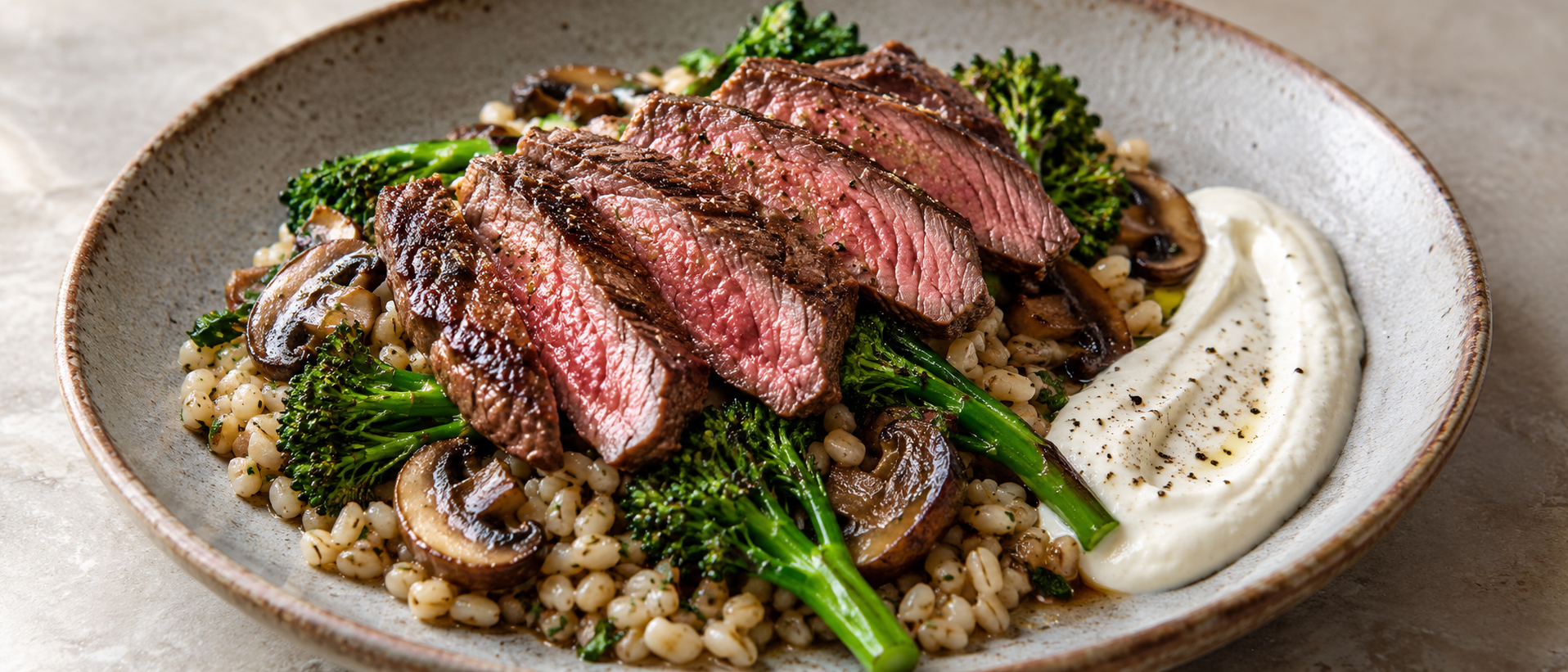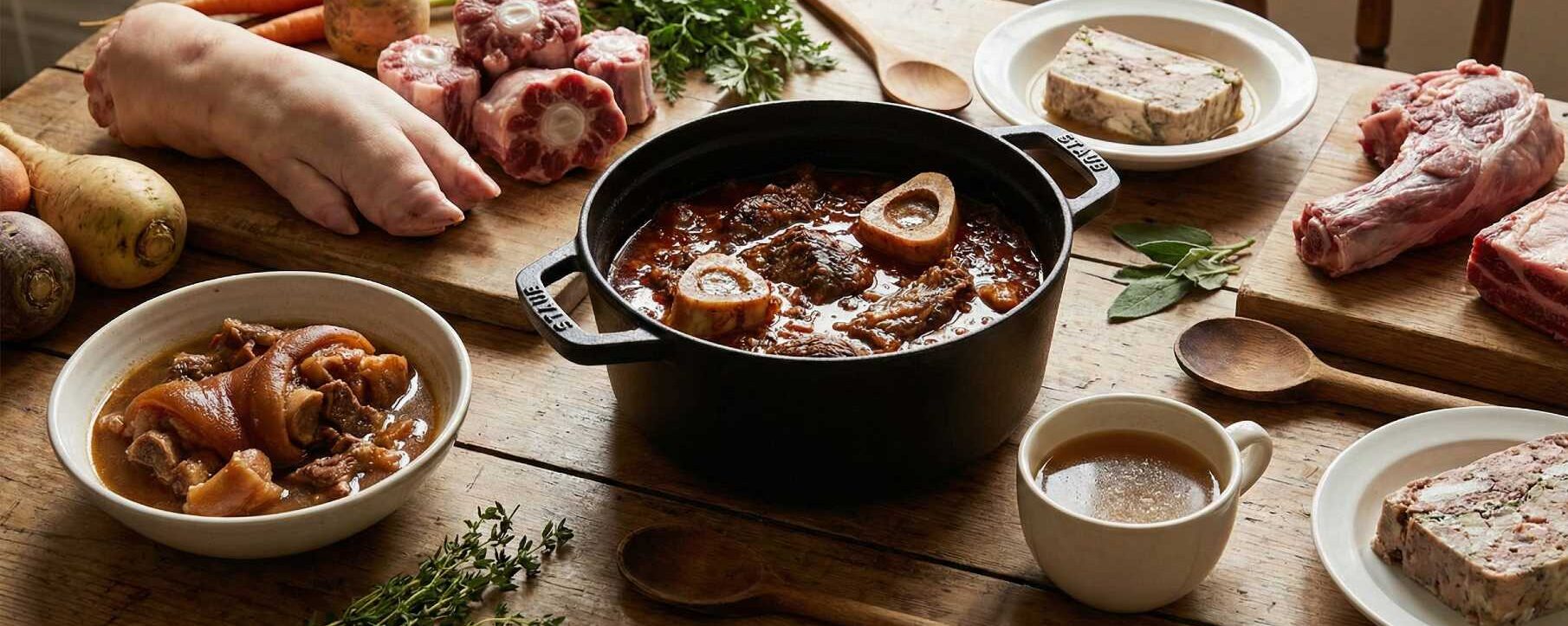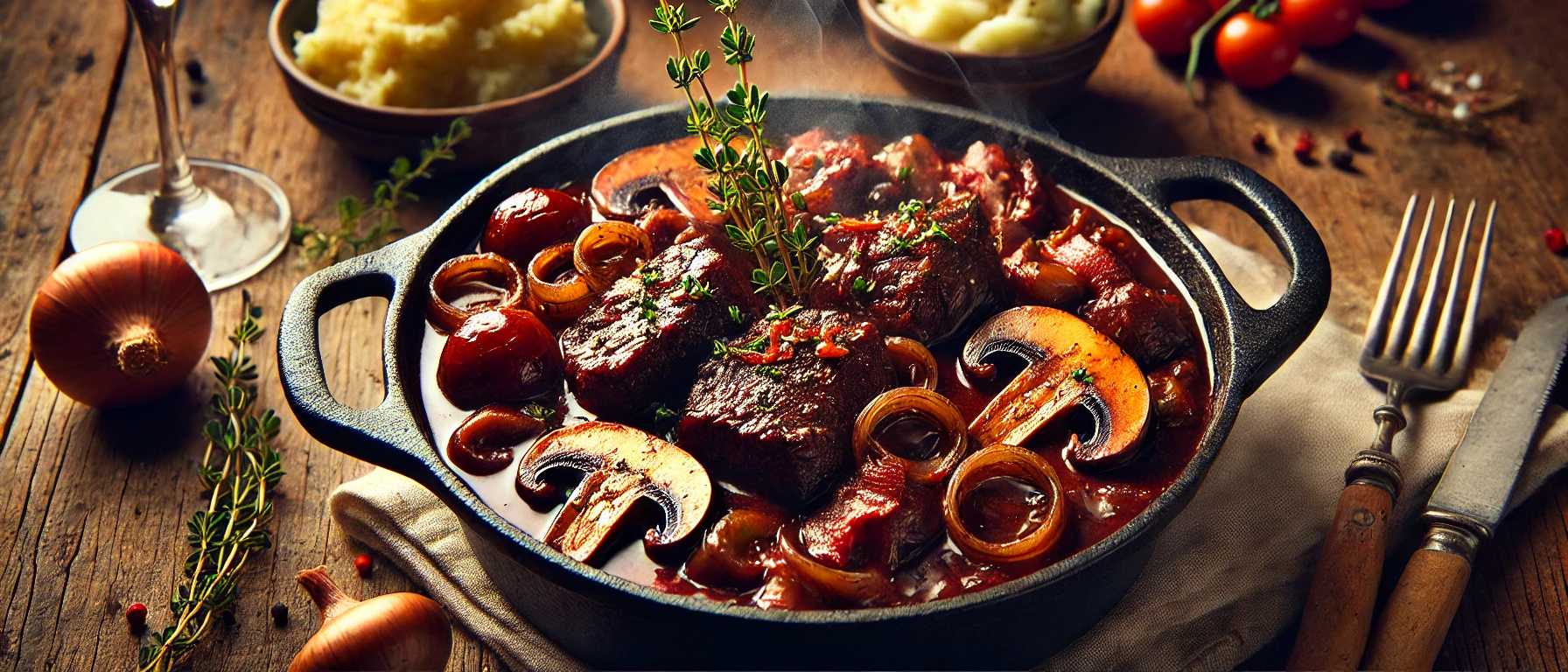
Braised pork cheeks are one of the great slow-cooked cuts: deeply savoury, tender, and full of natural richness. Here they are cooked gently in stock, herbs and wine until spoon-soft, then served with a smooth celeriac mash that keeps the plate comforting while staying lighter and lower in carbs than potato mash.
Serves 4.
This dish does not need crisping, but if you like a slightly caramelised edge, place the cooked cheeks in the basket and use Air Crisp at 190°C for 3–4 minutes, brushing lightly with reduced sauce first.
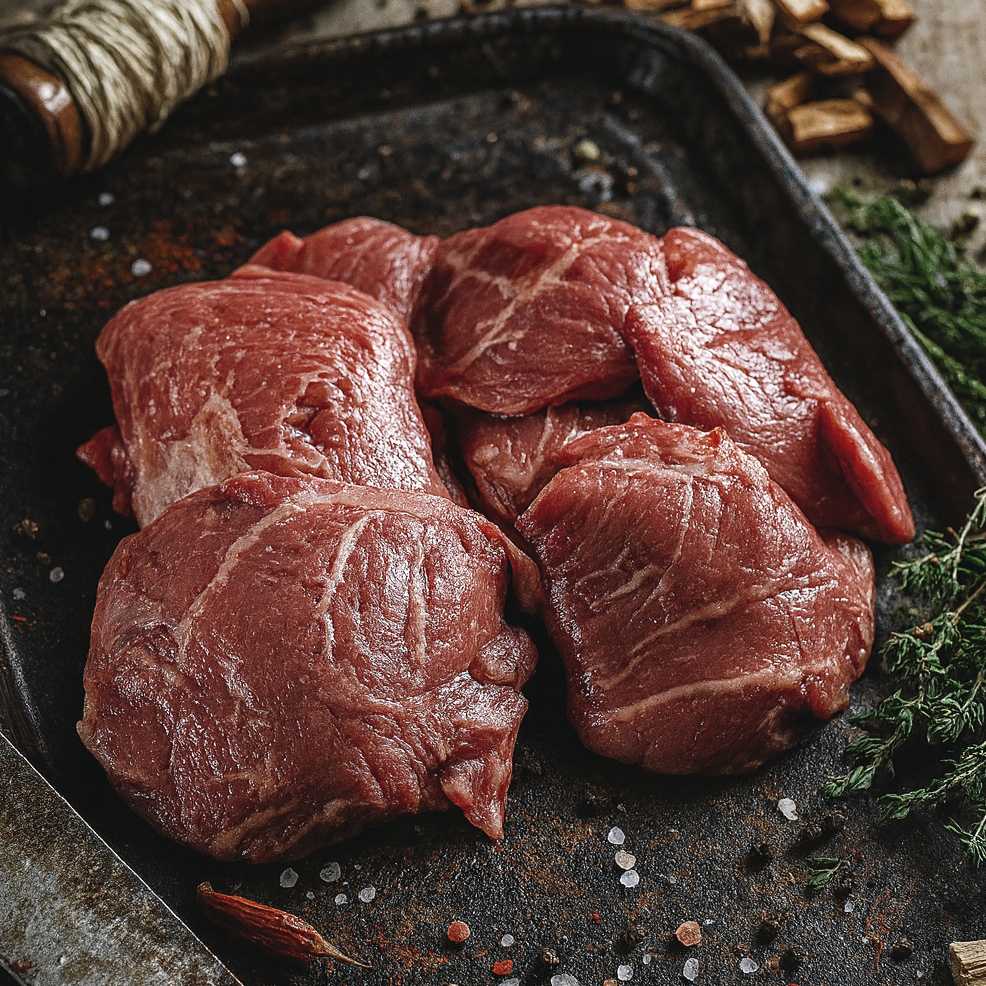
These oyster cut cheeks are marbled with fat that gives them tremendous flavour when slow cooked.
These delectable morsels are a hidden gem in the world of meat cuts. Oyster cut pork cheeks are a true delicacy, known for their exceptional tenderness and rich, tasty meat.
£18.50
A Pinot Noir is an excellent choice, especially one with earthy red fruit and gentle tannins. It will not overpower the pork cheeks and works well with the celeriac.
A Côtes du Rhône brings soft spice, dark fruit and enough body for the braising sauce. Choose a fresher, medium-bodied bottle rather than anything too heavy or oaky.
A young Rioja Crianza also works well, particularly if the sauce has plenty of thyme, garlic and mustard. Its red fruit and savoury oak notes suit slow-cooked pork nicely.
A white Burgundy or good Mâcon-Villages has enough roundness for the pork while keeping a clean finish. It is especially good if the sauce is made with dry white wine.
A dry Chenin Blanc from the Loire or South Africa brings acidity, apple notes and a little texture, which pair neatly with celeriac and mustard.
A fuller Pinot Gris can work too, particularly with the sweetness of the root vegetables and the richness of the sauce.
A dry cider is a natural partner for pork cheeks. Look for something crisp and tannic rather than sweet, as it will refresh the palate between bites.
A Belgian dubbel brings malt, dried fruit and gentle spice, making it a strong match for the slow braise.
A brown ale or malt-led bitter works well if you want something comforting and savoury without too much hop bitterness.
A dry alcohol-free cider is one of the best choices here, as apple acidity and pork are classic partners.
A sparkling apple and ginger drink gives brightness and a little warmth against the rich sauce.
A rosemary and lemon tonic works beautifully: herbal, sharp and grown-up enough to stand beside the dish.
A lightly chilled lapsang souchong tea is also surprisingly good, bringing smoke and tannin without sweetness.