The Bio-Engineers of the Dales: Why Nature Needs Livestock
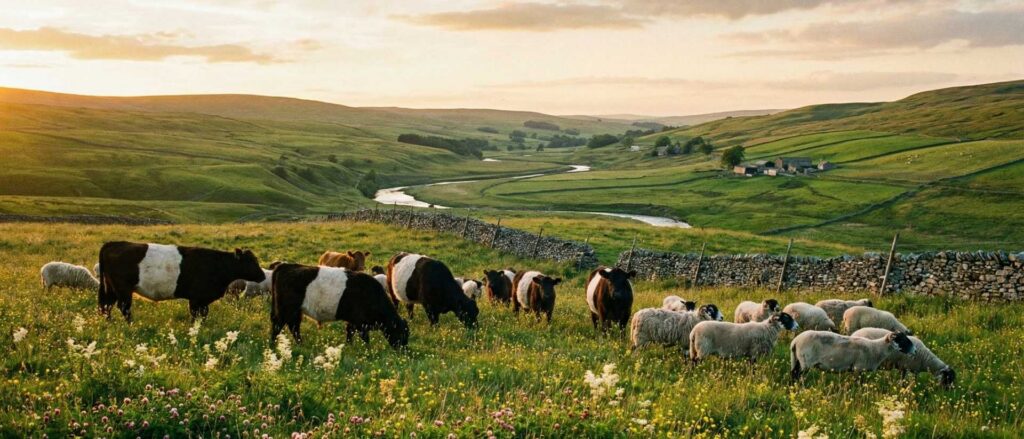
When you look out over the dry stone walls of the Yorkshire Dales, you aren't looking at a "wild" landscape. You are looking at a managed one. For centuries, grazing animals have sculpted these hills. But in recent years, a narrative has emerged suggesting that the best way to help wildlife is to remove livestock entirely and "let nature take its course."
The Methane Myth: Why Yorkshire’s Native Breeds May Be Part of the Climate Solution
If you read the headlines, you might believe that the single best thing you can do for the planet is to stop eating meat. We are told that cows and sheep are "carbon bombs," belching methane and destroying the atmosphere. But like most things in nature, the truth is far more nuanced.
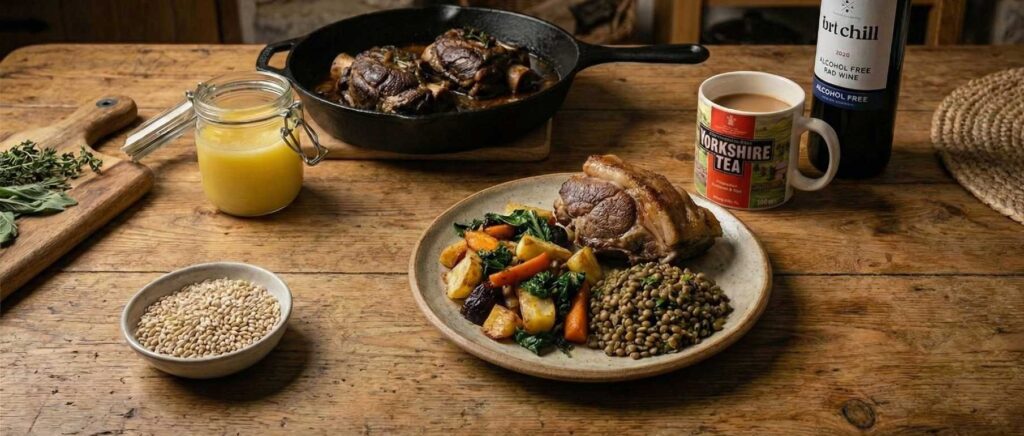
Real food. Native breeds. Everyday habits that actually last. This blueprint sets out a calm, practical way of eating that fits the colder months, supports long-term health, and never feels like punishment.
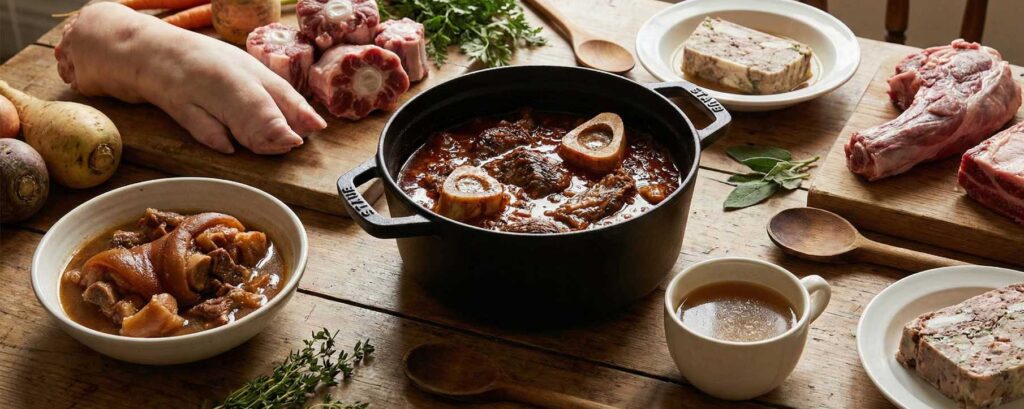
Collagen-Rich Cuts of Meat: Why They Matter, and Why They Deserve a Place on the Table
This feature looks at the cuts naturally high in collagen, what happens to them during cooking, and why they’re so valuable both nutritionally and in the kitchen.
Regenuary, Regenerative Farming and Why It Matters to Grid Iron
What Regenuary gets right — and why it matters all year round. Every January, the idea of Regenuary resurfaces in food and farming conversations. It is often described as an alternative to Veganuary, but that framing slightly misses the point.
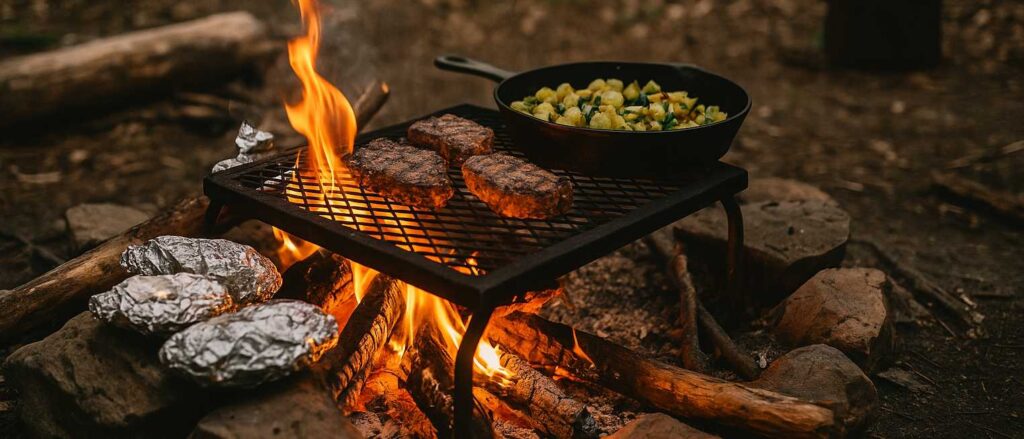
The World’s Fire: Traditional Ways of Cooking Meat Outdoors
Across the globe, outdoor meat cooking takes many forms — from fire pits in Peru to skewers in Seoul, from Jamaican jerk to Yorkshire smoke. This feature explores the remarkable variety of traditional fire-based cooking methods and how they continue to inspire modern techniques at The Grid Iron Gourmet.