FREE UK MAINLAND DELIVERY ON ORDERS OVER £70

Bone Broth: How to Make It and Use It

Bone broth is a traditional way to turn bones, connective tissue, vegetables and aromatics into a deeply flavoured cooking broth. It can be served on its own, but its real strength is its versatility: use it as the base for soups, stews, sauces and braises, or anywhere you would normally reach for stock.

What Is Bone Broth?

Bone broth is made by cooking bones, and often some connective tissue or meat, slowly in water with vegetables and herbs. The longer cooking time softens connective tissue and can give the finished broth a rich, gelatinous texture when chilled.

Beef, chicken, lamb and pork bones can all be used. The choice of bones changes the flavour, colour and body of the broth, so it is worth combining marrow bones with joints, knuckles, carcasses or other bones that still carry some connective tissue and meat.

If a long stovetop simmer is inconvenient, a pressure cooker such as a Ninja Foodi can shorten the process considerably. Follow the appliance guidance for liquid levels and pressure cooking, then strain and reduce the broth afterwards if you want a more concentrated flavour.

Why Make Bone Broth?

  • Flavour: roasting and slowly cooking bones builds a savoury base for soups, stews, gravies and sauces.
  • Texture: connective tissue can give the broth natural body and a soft set when chilled.
  • Kitchen economy: bones, trimmings and vegetable offcuts can be turned into something useful rather than discarded.
  • Nose-to-tail cooking: broth is one of the simplest ways to make fuller use of the animal and practise traditional whole-carcass cooking.

Making Bone Broth: Tips for Success

  • Choose bones for flavour and body: marrow bones, meaty bones, joints, knuckles, carcasses and trotters can all play a part.
  • Roast for deeper flavour: browning the bones first gives a darker, more savoury broth.
  • Use vinegar sparingly: a small splash of cider or wine vinegar can add balance, but it should not dominate the finished broth.
  • Keep the simmer gentle: a hard boil can make the broth cloudy and emulsify more fat into the liquid.
  • Skim if you want a clearer broth: remove foam and excess fat from the surface as it cooks.
  • Use aromatics with restraint: onion, carrot, celery, bay, parsley stalks and thyme are useful starting points.

Basic Bone Broth Recipe

Ingredients

  • 1–2kg mixed bones, such as beef marrow and joint bones, pork bones or a chicken carcass
  • 1 onion, quartered
  • 2 carrots, roughly chopped
  • 2 celery stalks, roughly chopped
  • 2–3 garlic cloves, optional
  • 1–2 bay leaves and a few thyme or parsley stalks
  • 1 tbsp cider or wine vinegar, optional
  • Cold water to cover

Method

  1. For a darker broth, roast the bones at 200°C conventional / 180°C fan for 25–35 minutes, until well browned.
  2. Transfer the bones to a large stockpot or slow cooker and add the vegetables, herbs and optional vinegar.
  3. Cover with cold water and bring gradually to a gentle simmer.
  4. Cook gently until the broth has developed good flavour and body. For larger beef or pork bones this may take several hours; chicken bones generally need less time.
  5. Strain through a fine sieve. Cool the broth promptly, then refrigerate within two hours.
  6. Use refrigerated broth within 48 hours, or freeze it in useful portions for later.

Uses for Bone Broth

  • Soups and stews: use it as the liquid base for vegetable, meat or pulse soups and long-cooked stews.
  • Braises: add it to beef shin, oxtail, pork cheeks, lamb shanks or other slow-cooking cuts.
  • Sauces and gravies: reduce the broth to intensify flavour, or use it to deglaze a roasting tin or frying pan.
  • Cooking grains: use broth instead of water where a more savoury result is useful.
  • Sipping broth: warm gently and season to taste with salt, pepper, herbs or a squeeze of lemon.

A Note on Nutrition

The nutritional composition of homemade bone broth varies considerably depending on the bones used, how much meat and connective tissue they carry, the amount of water, the cooking time and how far the broth is reduced. It is better to treat it as a versatile food and cooking ingredient rather than assume a fixed nutritional profile from one batch to another.

Sustainability and Nose-to-Tail Eating

Making broth is a practical example of nose-to-tail cooking. Bones and connective tissue that are easily overlooked can become the foundation of several meals, helping you make more use of what you buy.

At Grid Iron Meat, bones such as beef marrow bones and pork trotters are valued for the flavour and texture they bring to traditional stocks, broths, sauces and slow-cooked dishes.

Conclusion

Bone broth is less about following a food trend and more about an old kitchen habit that still makes sense: extract as much flavour and usefulness as possible from good ingredients. Make a large batch, cool it safely, freeze it in portions and you have a useful base ready for future meals.

Explore our range of bones and slow-cooking cuts if you would like to make your own broth at home.

Behind The Butcher's Block

Celebrating Heritage, Sustainability, and Taste
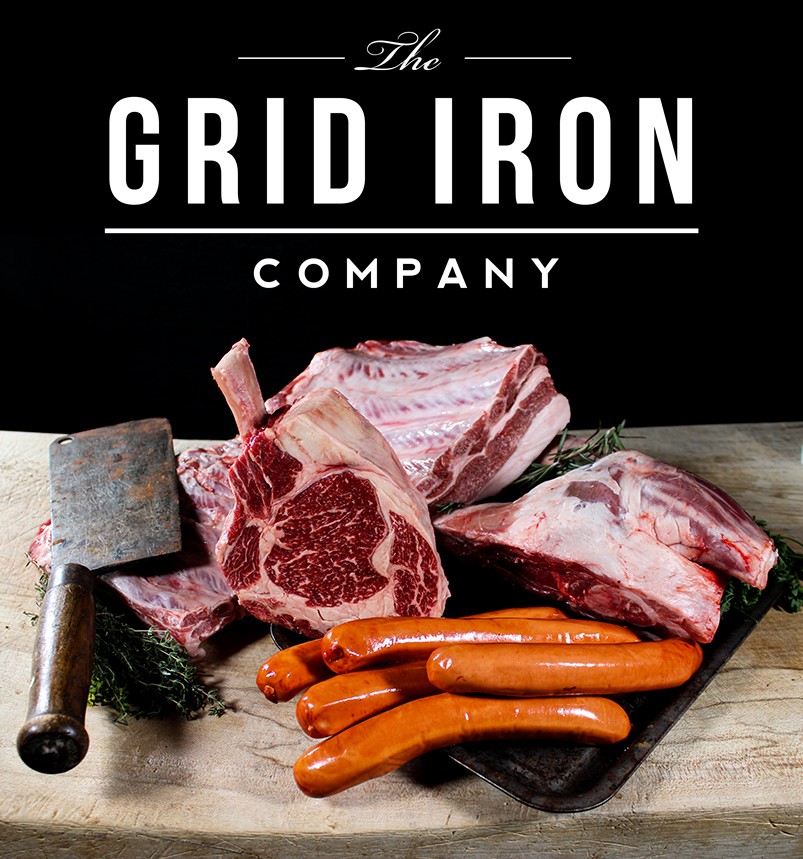
Order online from our selection of locally-sourced, high-quality Yorkshire native breed meat and charcuterie, plus our range of carefully curated artisan food products, including cheeses, jams, and preserves.