Description
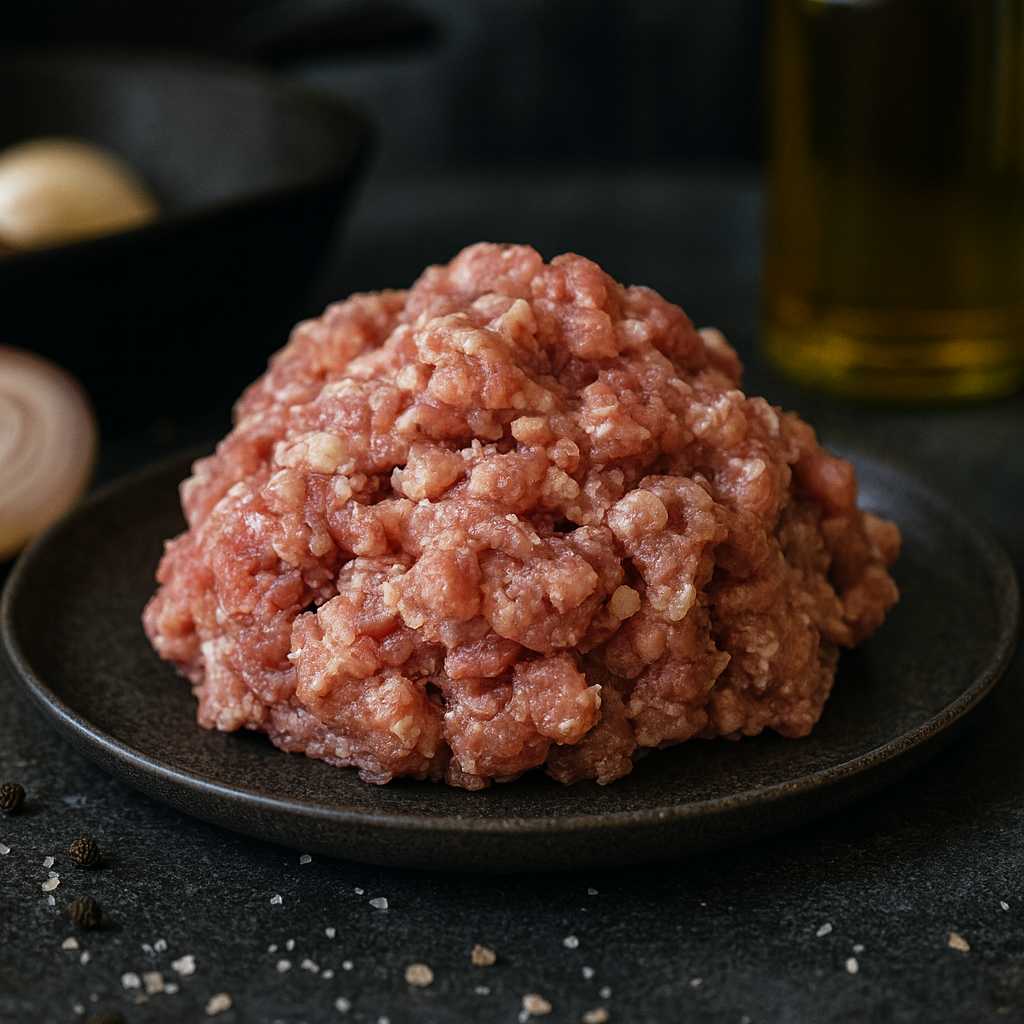
Pork Mince from Heritage Breed Pork
Rare breed pork mince is a premium product that stands out for its superior quality, flavour, and texture, differentiating itself from standard pork mince available in most markets. Derived from heritage or rare breeds of pigs, such as the Gloucestershire Old Spot, Tamworth, or Berkshire, these breeds are celebrated for their distinctive characteristics, which are preserved through careful breeding practices.
Key Qualities of Rare Breed Pork Mince:
- Flavour Profile: Rare breed pork mince is renowned for its depth of flavour. The meat from heritage breeds tends to be richer and more succulent, with a noticeable difference in taste compared to commercially raised pork. This is largely due to the diverse diet and slower growth rates of rare breeds, allowing the meat to develop a fuller flavour.
- Fat Content: Heritage breeds often have a higher fat content than their commercial counterparts. This isn’t just any fat; it’s intramuscular fat, also known as marbling, which melts during cooking, imparting moisture and flavour to the mince. This makes rare breed pork mince ideal for a range of dishes, offering a juicier and more tender outcome.
- Sustainability and Ethical Farming: Rare breed pork is typically produced by smaller-scale farmers committed to sustainable and ethical farming practices. These practices include free-ranging, natural diets, and more humane living conditions for the animals. By choosing rare breed pork mince, consumers support not only superior quality meat but also the welfare of animals and biodiversity.
- Nutritional Value: The varied diet of rare breed pigs, often consisting of a mix of pasture, forage, and natural feed, can contribute to a more nutritious product. The meat is generally higher in omega-3 fatty acids and other beneficial nutrients, influenced by the natural feeding practices.
- Culinary Versatility: Rare breed pork mince is highly versatile in the kitchen, suitable for a wide range of culinary applications. From traditional meatballs and burgers to rich pasta sauces and Asian-inspired dishes, its enhanced flavour and texture elevate any recipe.
Supporting Rare Breeds: Choosing rare breed pork mince not only enriches your dining experience but also plays a crucial role in preserving these breeds for future generations. Many heritage breeds are at risk of extinction, and through consumer choice and support, there is a meaningful opportunity to contribute to their survival.
Cooking with Pork Mince
Rare breed pork mince offers exceptional versatility in the kitchen, making it suitable for a wide array of cooking methods and dishes. Here are various ways you can cook and incorporate this premium ingredient into your meals:
- Pan-Frying or Sautéing: Quick and straightforward, pan-frying or sautéing pork mince allows you to brown it evenly while retaining its moisture and flavour. This method is perfect for making fillings for tacos, pasta sauces, or incorporating into stir-fries with vegetables.
- Baking: Rare breed pork mince can be used to create delicious baked goods such as meatloaf, pork pies, or stuffed peppers. Baking allows the flavours to meld together beautifully, resulting in a tender and juicy dish.
- Grilling: For a smoky flavour, forming the mince into burgers or meatballs and grilling them is an excellent option. This method is ideal for burgers or skewers, adding a charred taste that complements the pork’s richness.
- Slow Cooking: Slow cooking pork mince in a crockpot or slow cooker with a mix of spices, vegetables, and broth yields a tender, flavourful dish. It’s ideal for making ragouts, casseroles, or sauces that benefit from long, slow simmering to enhance depth of flavour.
- Steaming: Asian cuisine often uses steamed pork mince in dishes like dumplings or steamed meatballs. This method preserves the mince’s moisture and tenderness, infusing it with the aromatics and seasonings mixed into the pork.
- Boiling: Used less frequently but effectively for dishes like wonton soup or in making broth-based dishes where the pork mince forms part of the soup itself, boiling can extract flavour while keeping the mince tender.
- Roasting: When mixed with other ingredients and formed into a larger shape, such as a meatloaf, rare breed pork mince can be roasted to create a crusty exterior while maintaining a juicy interior.
Nutritional Information
Given the variability in nutritional content based on specific breeds, diets, and processing methods for rare breed pork mince, the following table provides a general estimation of nutritional values for pork mince (lean). Please note that actual values can vary, and it’s advisable to check with specific suppliers for the most accurate nutritional information. This table represents an approximation for 100 grams of cooked, lean pork mince:
| Nutrient |
Amount |
% Daily Value (DV) |
| Calories |
143 kcal |
– |
| Protein |
20.9 g |
42% |
| Total Fat |
8.0 g |
12% |
| Saturated Fat |
2.9 g |
14% |
| Cholesterol |
71 mg |
24% |
| Sodium |
62 mg |
3% |
| Potassium |
300 mg |
9% |
| Iron |
0.9 mg |
5% |
| Zinc |
2.4 mg |
16% |



Mark Wareham (verified owner) –
Peter Betts (verified owner) –
Turner Gillian (verified owner) –
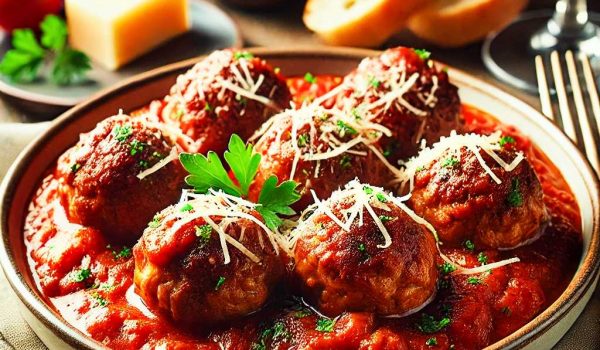
Made great meat balls mixing this with the beef
Paul Nolan (verified owner) –
Andrew Pearce (verified owner) –
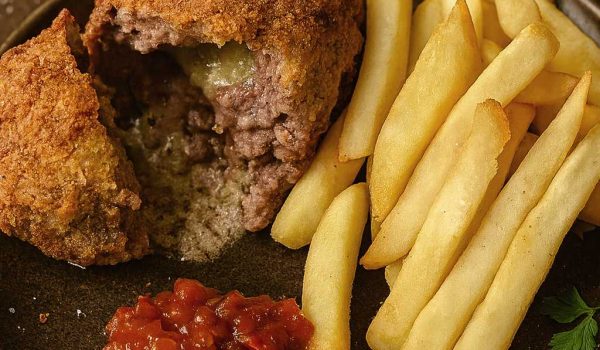
Amazing minced pork. We use it for burgers, kebabs and Bolognese. Again the flavour is wonderful.
Emilia Gordon (verified owner) –
A must have in our household
Louis French (verified owner) –
Excellent quality minced pork delivered on time, and well packed.
Monika Blaszczak (verified owner) –
Lois Fell (verified owner) –
Lorna Graham (verified owner) –
Sharon Faley (verified owner) –
Perfectly prepared by the butcher and tasted amazing.
Maureen Crook (verified owner) –
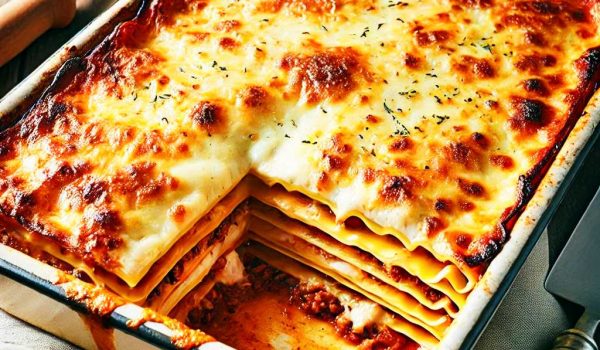
A lovely tasty pork mince – full of flavour – it ups the taste of lasagne when added with the beef mince
Dragomir Hristov (verified owner) –
Irina Lale (verified owner) –
Lovely pork mince