FREE UK MAINLAND DELIVERY ON ORDERS OVER £50

Cawl

Cawl is a traditional Welsh stew that serves as a comforting cornerstone of Welsh cuisine. This hearty dish typically features a base of lamb, slow-cooked with a medley of root vegetables like potatoes, carrots, and swedes, along with leeks for a distinct, savoury flavor. Each ingredient is simmered to perfection, creating a rich and nourishing broth that embodies the simplicity and warmth of home-cooked meals. Often enjoyed with crusty bread or a side of Welsh cheese.
INGREDIENTS
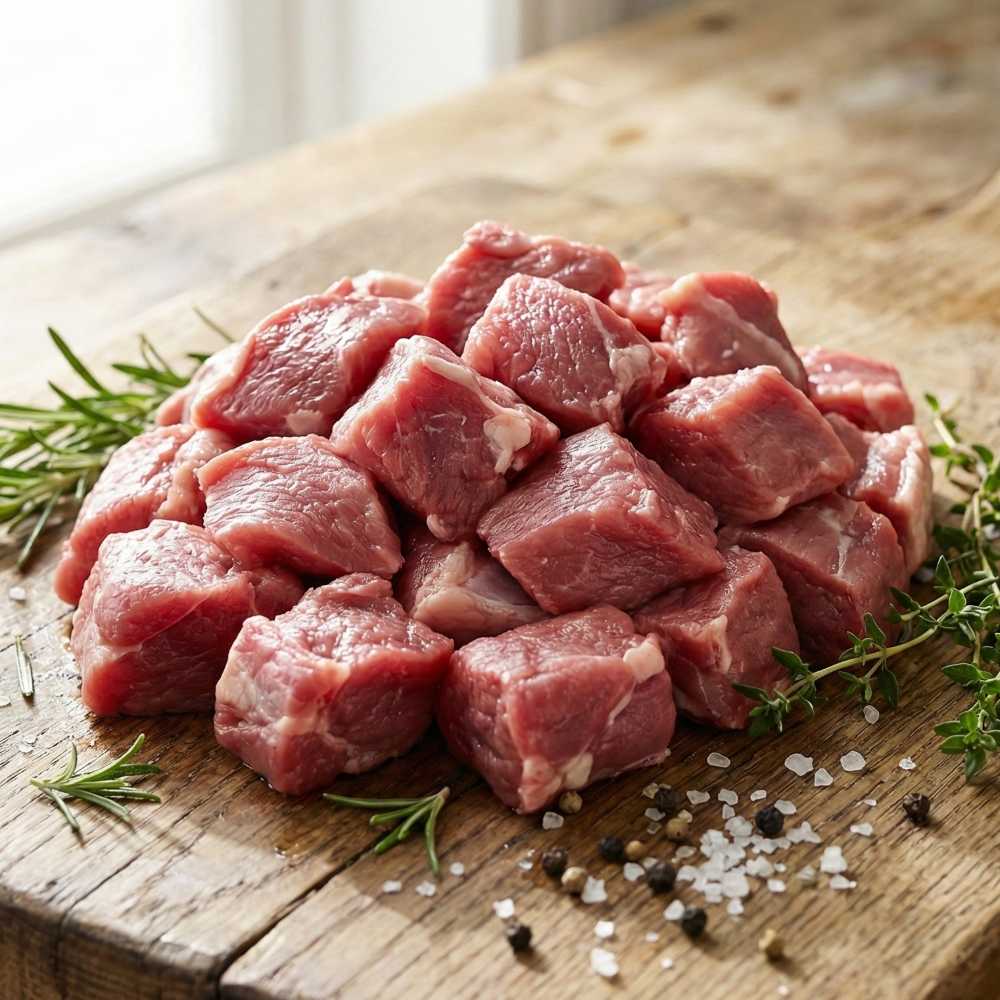
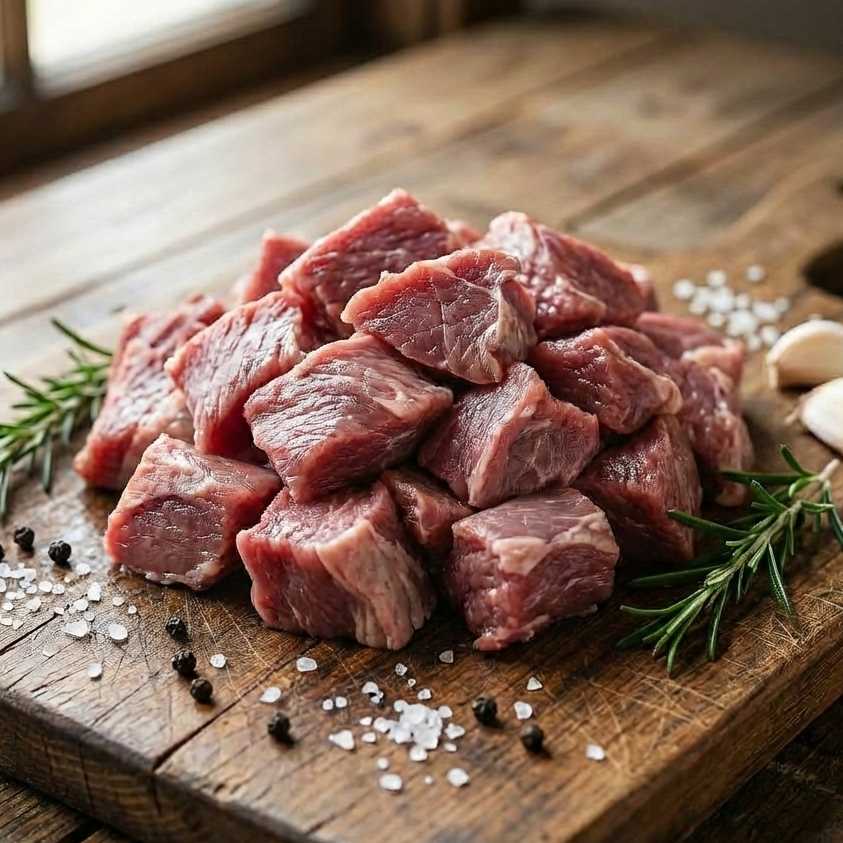
  • 500g Diced Lamb
  • 1 large onion, chopped
  • 3 large carrots, peeled and sliced
  • 2-3 medium potatoes, peeled and cubed
  • 2 leeks, cleaned and sliced
  • 1 swede, peeled and cubed
  • 1 small bunch of fresh parsley, chopped
  • 1.5 litres water or lamb stock
  • Salt and pepper to taste
METHOD

  1. Brown the Lamb: In a large pot or Dutch oven, heat a little oil over medium-high heat. Add the lamb chunks and brown them on all sides. Remove the lamb and set aside.
  2. Sauté the Vegetables: In the same pot, add the chopped onion and sauté until it becomes translucent. You can add a bit of water or stock to deglaze the pan and incorporate the flavours.
  3. Simmer the Stew: Return the lamb to the pot along with the carrots, potatoes, swede, and leeks. Add the water or lamb stock and bring the mixture to a boil. Season with salt and pepper.
  4. Cook the Cawl: Reduce the heat to low and let the cawl simmer gently, covered, for about 2 hours or until the meat is tender and the vegetables are cooked through.
  5. Final Touches: Adjust the seasoning with more salt and pepper if needed. Add the chopped parsley to the pot just before serving.
  6. Serve: Dish out the cawl into bowls, making sure each serving gets a good mix of meat and vegetables. Cawl is traditionally served with a chunk of crusty bread or Welsh cheese like Caerphilly.
Preparation Time: 20 min
Cooking Time: 2 hours

Hot Tips

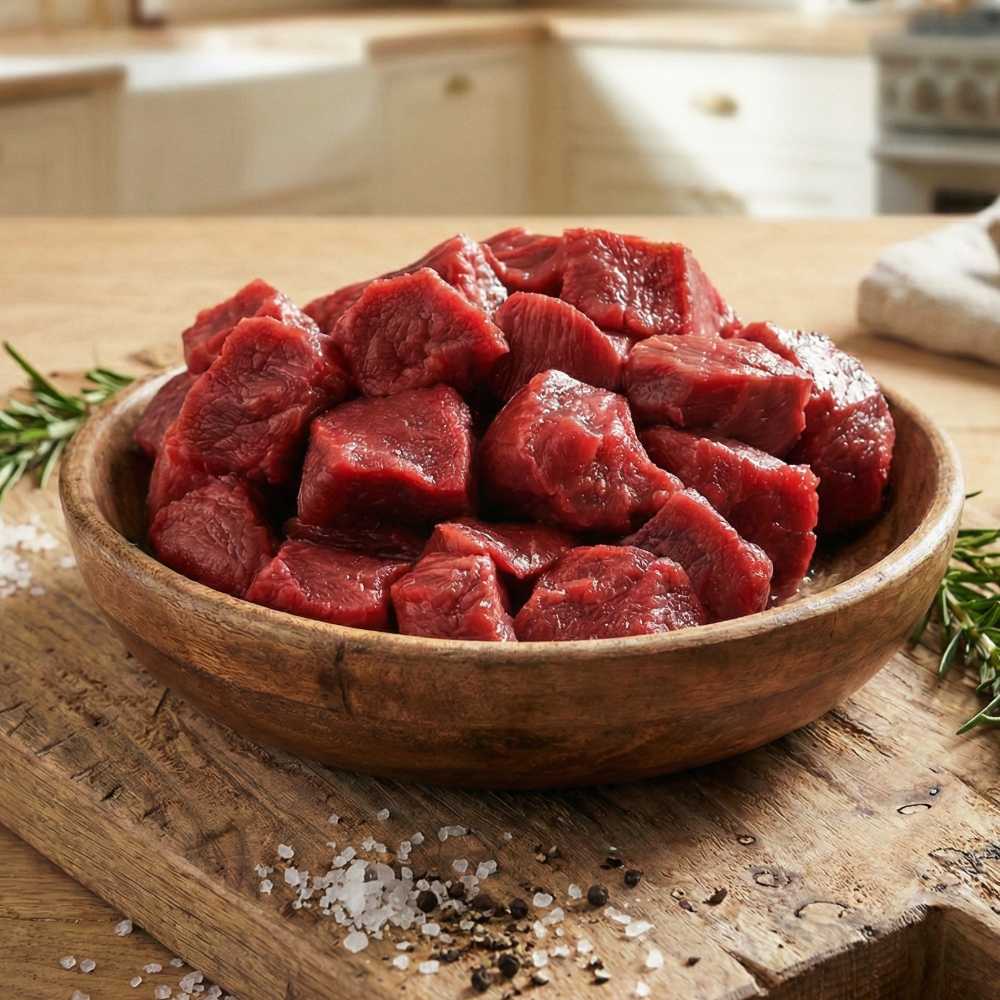
  • Meat Choices: While lamb is traditional, beef can also be used. Some variations even include both meats.
  • Vegetables: Feel free to adjust the types and amounts of vegetables based on what you have available. Parsnips, turnips, and celery also work well in cawl.
  • Consistency: If you prefer a thicker stew, you can mash some of the potatoes directly in the pot near the end of cooking.
  • Flavour Development: Cawl is known to taste even better the next day as the flavours have more time to meld together, so consider making it ahead of time.