FRESH, NOT FROZEN
DELIVERY FREE OVER £70
PICK DELIVERY DATE AT CHECKOUT
FROM LOCAL FARMS
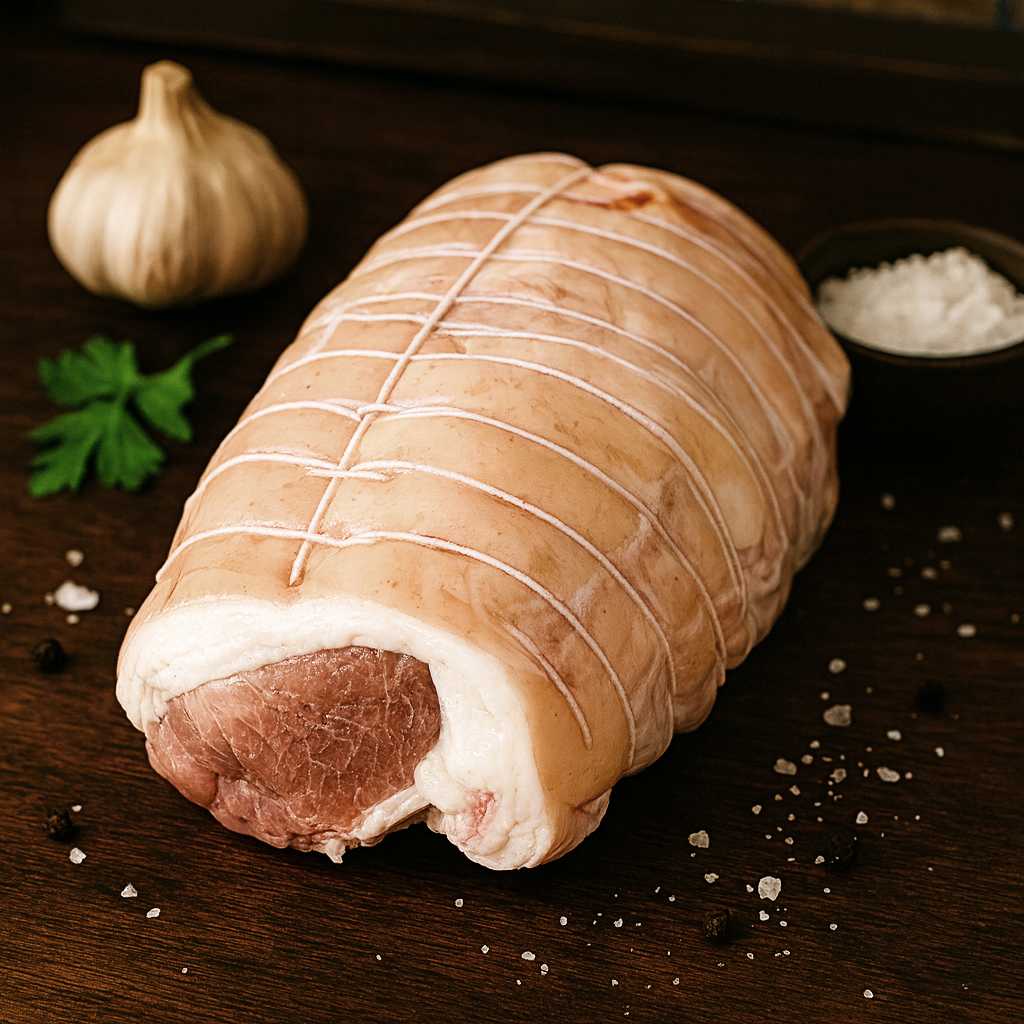
Our boned and rolled leg of pork is a testament to the quality and care that goes into our heritage breed pork. Sourced from rare breed pigs raised on farms in North Yorkshire.
The leg is expertly boned, then rolled and tied, making it perfect for even cooking and easy carving. Renowned for its succulence, rich flavour, and tender texture, this pork leg is ideal for roasting, promising a memorable dining experience.
£16.88 – £30.38Price range: £16.88 through £30.38
Our Boned & Rolled Leg of Pork offers a perfect blend of convenience, flavour, and quality, making it a standout choice for any meal. This premium cut comes from heritage breed pigs that are raised in the natural, green landscapes of North Yorkshire, where they are allowed to mature at a natural pace. The leg of pork is carefully boned by our butchers, then rolled and tied to ensure that it cooks evenly and presents beautifully on your table.
The rolling process not only makes the leg easier to carve but also locks in moisture and flavour, resulting in a roast that is succulent and rich in taste. The natural diet and slow growth of our pigs contribute to the depth of flavour and tenderness of the meat, with a higher fat content that renders down during cooking to baste the pork from within.
This cut is incredibly versatile and can be seasoned in a variety of ways to suit your taste preferences. Whether you prefer simple salt and pepper or a more complex herb and garlic rub, the boned and rolled leg of pork will absorb the flavours beautifully. It’s perfect for a slow-roasted Sunday lunch, special holiday meal, or any occasion that calls for an impressive and delicious centrepiece.
Serving suggestions include pairing it with roasted vegetables, creamy mashed potatoes, or a tangy apple sauce to complement the rich flavours of the pork. The leftovers, if there are any, also make for excellent sandwiches or can be added to soups and stews for added depth and flavour.
The boned and rolled leg of pork is a versatile cut that can be prepared in various delicious ways to suit different occasions and taste preferences. Here are some cooking methods to consider: For a more detailed guide see How to Cook Boneless Leg of Pork.
Each of these methods can turn a boned and rolled leg of pork into a memorable dish, whether you’re cooking for a special occasion or a family dinner. The key to a successful dish is to cook the pork until it reaches the correct internal temperature for safety and tenderness, resting it before carving to ensure the juices redistribute evenly.
This table provides a snapshot of the nutritional content for a boned and rolled leg of pork, highlighting its high protein content along with a significant amount of total fat and cholesterol. It’s important to consider these values in the context of a balanced diet. The percentages for Daily Values (DV) are based on a 2,000 calorie diet, so your DV may be higher or lower depending on your calorie needs. The nutritional value of pork makes it a good source of essential vitamins and minerals, including iron and potassium, contributing to a healthy diet when consumed in moderation.
| Nutrient | Amount | % Daily Value (DV) |
|---|---|---|
| Calories | 242 kcal | – |
| Protein | 27 g | 54% |
| Total Fat | 14 g | 18% |
| Saturated Fat | 5 g | 25% |
| Cholesterol | 76 mg | 25% |
| Sodium | 62 mg | 3% |
| Carbohydrates | 0 g | 0% |
| Fiber | 0 g | 0% |
| Sugars | 0 g | 0% |
| Vitamin D | – | – |
| Calcium | – | – |
| Iron | 1.1 mg | 6% |
| Potassium | 423 mg | 9% |
Alan Mortimer (verified owner) –
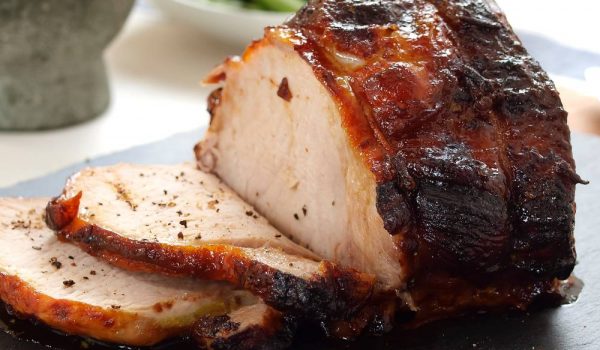
Cooked well and the crackling was delicious.
Teresa McCardal (verified owner) –
Pork looks great but have frozen it so can’t comment just yet.
jim RODGER (verified owner) –
it was ok but it was fat was it niddle white pig
Nigel Fletcher (verified owner) –
Christine Conway (verified owner) –
Tasty, juicy, tender pork. Easy to cook. Great crackling. First class.