Heritage Breed Diced Pork
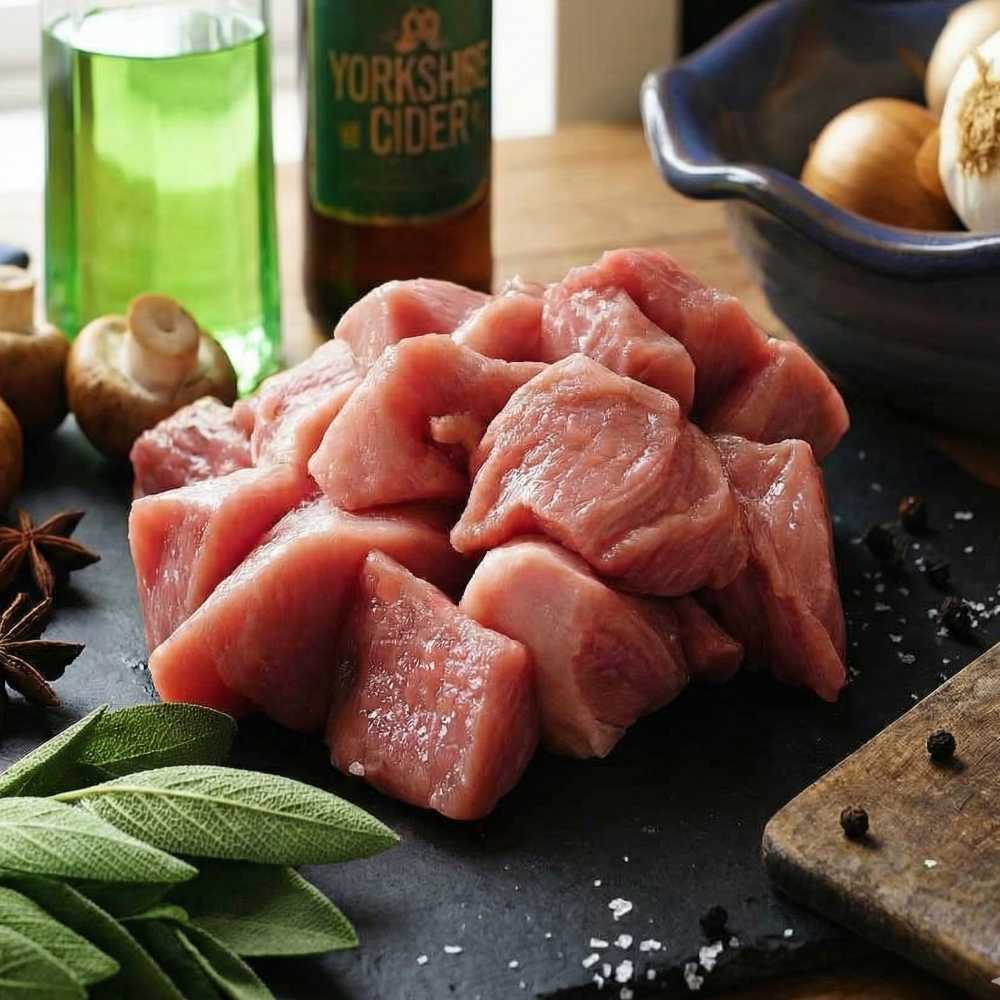
Diced rare breed pork is a premium product prized for its exceptional quality, rich flavour, and tender texture, setting it apart from standard pork offerings. Sourced from heritage or rare pig breeds such as the Gloucestershire Old Spot, Tamworth, or Berkshire, these pigs are raised in accordance with traditional farming practices that prioritise animal welfare and sustainability. The meticulous care in rearing these breeds not only supports biodiversity but also ensures a superior culinary product.
Characteristics of Diced Rare Breed Pork:
- Flavour: Diced rare breed pork boasts a depth of flavour unmatched by conventional pork. The meat from these heritage breeds is noted for its succulence and robust taste, which is a direct result of the pigs’ natural diets and slower growth rates. This allows for the development of richer, more nuanced flavours that enhance a wide array of dishes.
- Texture: The texture of diced rare breed pork is tender and moist, thanks to the higher intramuscular fat content (marbling) common in heritage breeds. This marbling not only contributes to the meat’s juiciness but also renders it exceptionally forgiving in a variety of cooking methods, from slow-cooking to quick sautéing.
- Nutritional Value: Benefiting from a natural and varied diet, rare breed pork is often higher in omega-3 fatty acids and other beneficial nutrients compared to commercially raised pork. This makes it a healthier option for those looking to enjoy pork as part of a balanced diet.
- Sustainability and Ethical Practices: Rare breed pork comes from small-scale farms committed to ethical animal husbandry and sustainable farming practices. These practices include free-range environments where pigs can forage and engage in natural behaviours, contributing to both the well-being of the animals and the health of the ecosystem.
- Culinary Versatility: Diced rare breed pork is incredibly versatile, suitable for a plethora of culinary applications. Whether it’s the centrepiece of a hearty stew, the star of a spicy stir-fry, or a key component in a traditional pork pie, its exceptional flavour and texture elevate any dish.
Supporting Rare Breeds: Choosing diced rare breed pork not only promises a superior eating experience but also plays a crucial role in the conservation of heritage pig breeds. Many of these breeds are at risk of disappearing due to the dominance of commercial farming practices. By opting for rare breed pork, consumers contribute to the demand that helps keep these breeds alive and thriving.
Cooking with Diced Pork
Diced rare breed pork is a versatile ingredient that can be cooked using various methods to suit a wide range of dishes. Here are some popular ways to prepare it:
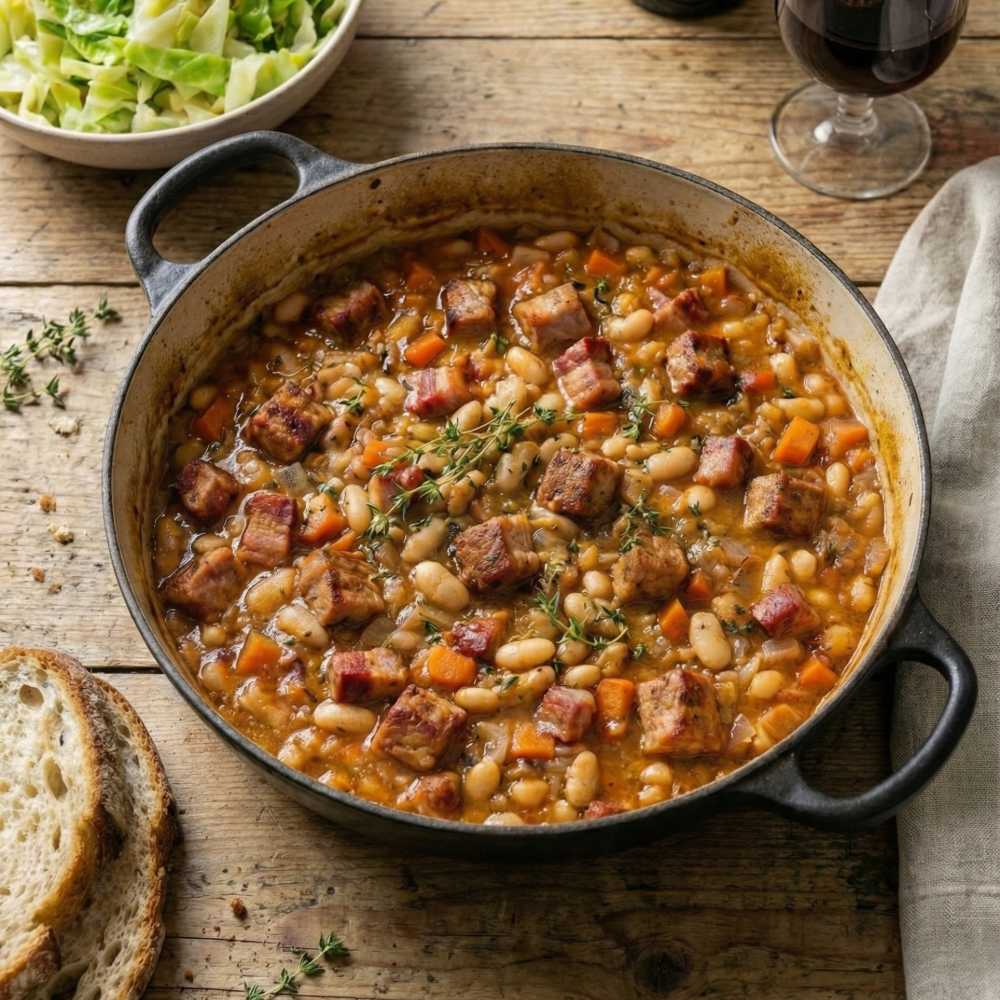
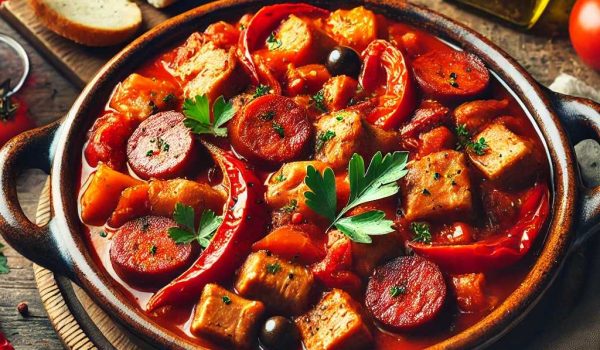
- Braising: Slow cooking diced pork in a little liquid on low heat in a covered pot. Braising makes the pork exceptionally tender, ideal for stews, casseroles, and ragouts.
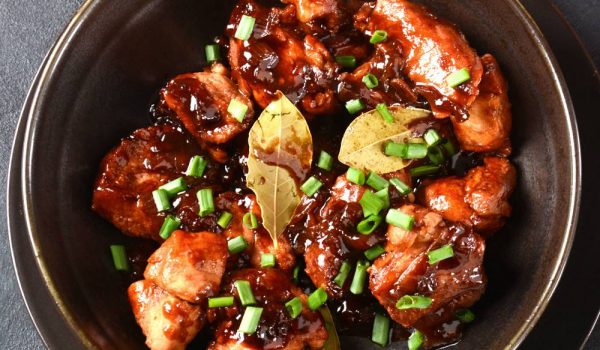
- Stir-Frying: Quick cooking on high heat in a pan or wok with a small amount of oil. Stir-frying keeps the pork tender and juicy, perfect for Asian-inspired dishes and quick, healthy meals with vegetables.
- Grilling: Skewering the diced pork and grilling it offers a smoky flavor, making it great for kebabs or barbecue pork bites, especially when marinated.
- Roasting: Cooking in the oven at a higher temperature. When roasted, diced pork can be part of a mixed meat roast or tossed with vegetables for a one-pan meal.
- Slow Cooking: Placing the diced pork in a slow cooker with your choice of seasonings and liquids for several hours. This method is excellent for pulled pork recipes, tender curries, and comfort food.
- Pan-Frying: Cooking the diced pork in a pan over medium to high heat until browned and cooked through. This method is straightforward and suitable for filling tacos, making fillings for pies, or serving with pasta.
- Boiling: Cooking the diced pork in broth or water, often used for soups and broths, providing a tender addition to hearty winter dishes.
Nutritional Information
Below is a general estimation of nutritional values for 100 grams of cooked, diced rare breed pork. It’s important to note that actual nutritional values can vary based on the specific breed, diet, and preparation method. This table offers a basic guideline:
| Nutrient |
Amount |
% Daily Value (DV) |
| Calories |
242 kcal |
– |
| Protein |
27 g |
54% |
| Total Fat |
14 g |
22% |
| Saturated Fat |
5 g |
25% |
| Cholesterol |
95 mg |
32% |
| Sodium |
62 mg |
3% |
| Potassium |
399 mg |
11% |
| Iron |
1.2 mg |
7% |
| Zinc |
2.9 mg |
19% |
Paul Deplitch (verified owner) –
Went in a splendid pork vindaloo …
Rosemary Mitchinson (verified owner) –
Made a very tasty casserole