FRESH, NOT FROZEN
DELIVERY FREE OVER £50
PICK DELIVERY DATE AT CHECKOUT
FROM LOCAL FARMS
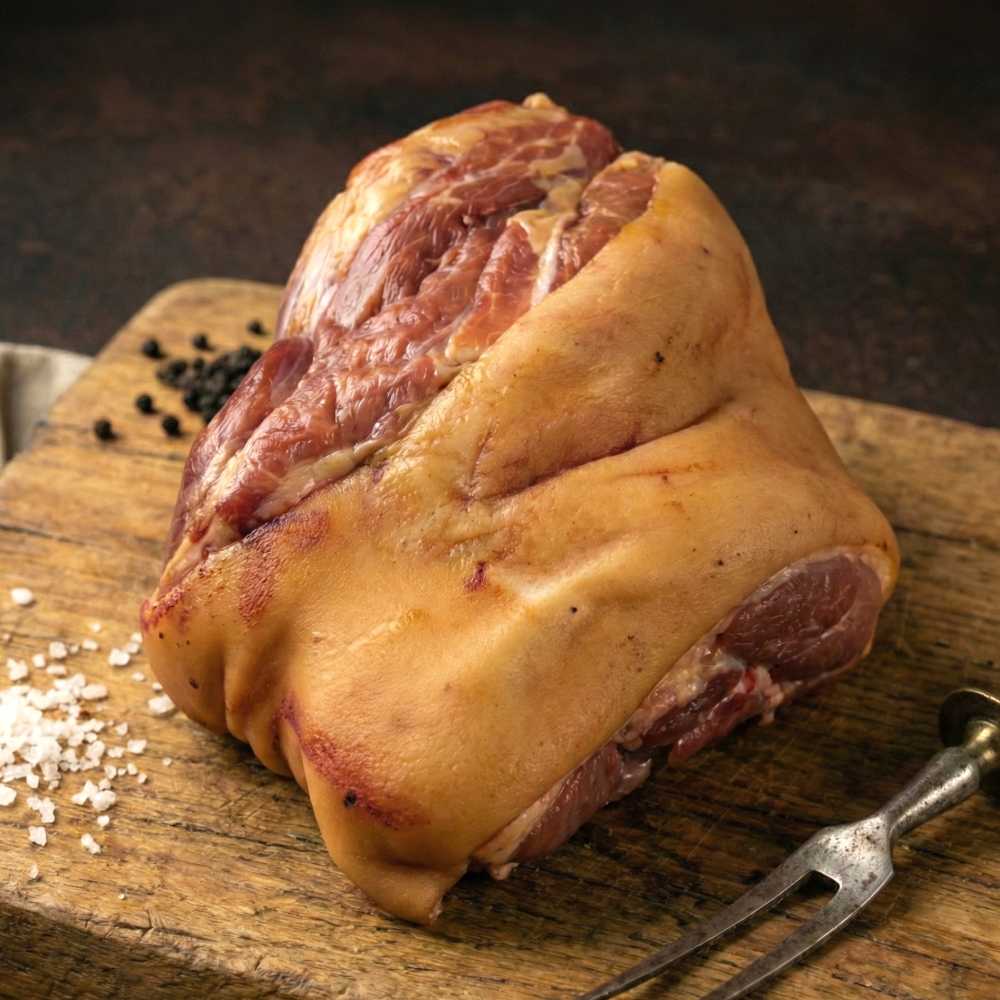
This one of our rare breed pork hocks. Cured with sea salt and our Old Fashioned cure mix, then dry aged and cold smoked over apple wood chips at The Holy Smokery.
£8.95
A smoked gammon hock, known more commonly in the UK simply as a gammon hock, is the rear leg of the pig that has been cured similarly to bacon. It is a cut that comes from the lower part of the pig’s hind leg and is then traditionally smoked. This smoking process imparts a distinct taste and aroma to the meat. Our hocks are smoked by Jake at The Holy Smokery in Kilnsey, in The Yorkshire Dales.
Origin and Popularity in North Yorkshire
In North Yorkshire, and indeed much of the UK, the gammon hock has a long-standing tradition, especially around the festive season. It is rooted in British culinary heritage, with its smoky depth adding richness to many dishes. Our gammon hocks are particularly prized for their high-quality, tender meat that results from traditional rearing methods.
Cooking Tips
Nutritional Information
Gammon hock is a source of high-quality protein and provides essential minerals such as zinc, phosphorus, and selenium. Being a cured product, it does contain salt, so moderation is recommended, particularly for those monitoring their salt intake.
Use in Various Diets
For aficionados of good traditional food, a smoked gammon hock, especially one sourced from North Yorkshire farms that focus on native breeds, is truly a treat. It embodies the essence of traditional British cuisine while offering versatility in the kitchen. Whether you’re preparing a hearty winter stew or a light summer salad with gammon pieces, it’s a delightful addition to any dish.
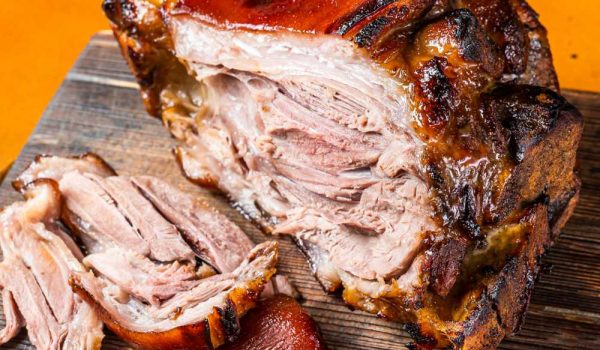
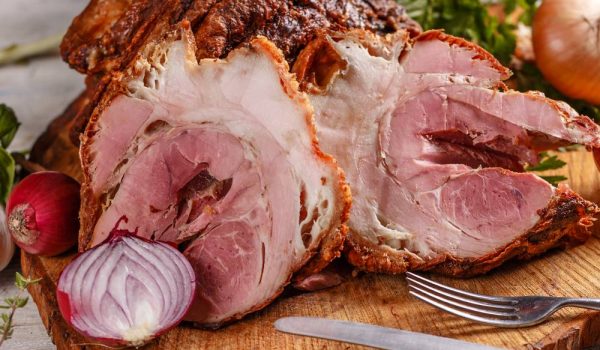
Here are some inspired methods to elevate the cooking of a smoked gammon hock, focusing on techniques and presentation that reflect a more gourmet approach:
Smoked Gammon Rillette:
After slow-cooking the gammon hock until it’s fork-tender, shred the meat.
Mix with a touch of its cooking liquid, some melted butter, and seasonings of choice.
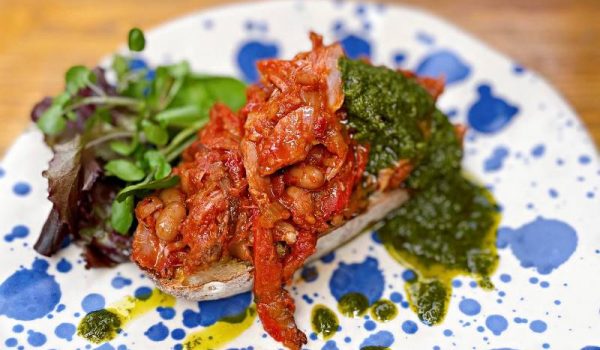
Pack into jars or ramekins and top with a thin layer of clarified butter. Chill until set. Serve as a spread with crusty bread or toast.
Braised Gammon Hock with Cider and Apples:
Braise the hock in a mixture of cider, fresh apple slices, onions, and herbs.
Once cooked and tender, reduce the braising liquid to create a syrupy sauce to drizzle over the hock.
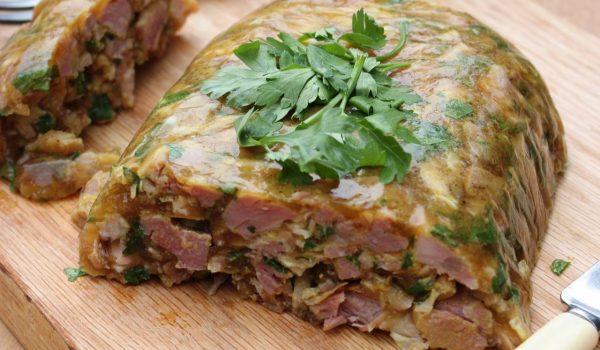
Gammon Hock Terrine:
Cook the hock until tender, then shred the meat.
Line a loaf tin with cling film, layer the shredded meat with other ingredients like sautéed leeks or roasted peppers.
Press down firmly and chill. Once set, slice and serve as an elegant starter.
Gammon Broth with Handmade Dumplings:
Use the cooking liquid from the gammon hock as a base for a broth.
Add vegetables and seasonings of choice, and finish with handmade dumplings, letting them poach gently in the broth.
Sous-Vide Gammon Hock:
Vacuum-seal the hock with herbs, a touch of cider or stock, and seasonings.
Cook in a sous-vide water bath at a precise temperature until tender. Finish by searing for a caramelised exterior.
Crispy Gammon Hock Croquettes:
After cooking and shredding the hock meat, mix it with mashed potatoes, seasonings, and a touch of mustard or herbs.
Form into small croquettes, bread them, and deep-fry until golden.
Gammon Hock Risotto:
Use the rich stock from the hock as a base for a creamy risotto.
Add shredded gammon hock meat towards the end of the cooking process, finishing with fresh herbs and grated cheese.
Glazed Gammon Hock:
After the initial cooking, glaze the hock with a mixture of honey, mustard, and brown sugar.
Roast in a hot oven until the exterior is glossy and caramelised.
| Nutrient | Amount per 100g |
|---|---|
| Calories | 242 kcal |
| Protein | 17.5 g |
| Total Fat | 18.2 g |
| Saturated Fat | 6.8 g |
| Cholesterol | 53 mg |
| Carbohydrates | 0.1 g |
| Sugar | 0 g |
| Fibre | 0 g |
| Sodium | 1310 mg |
Ingredients & curing agents:
Free-range Yorkshire pork (96%), sea salt, sugar, preservatives: sodium nitrite (E250), potassium nitrate (E251); antioxidant: sodium ascorbate (E301).
Stephen Pearson (verified owner) –
Lovely service, I haven’t cooked the ham yet so can’t comment
John Lawson (verified owner) –
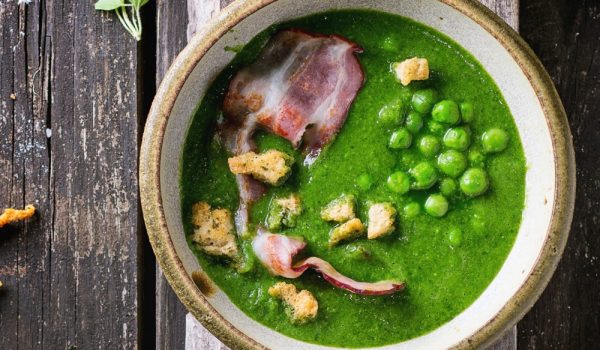
Bought 2 hocks with a view to making pea and ham soup just like mother used to make, the outcome was excellent as I have been looking for ages for such a product.
Terry Wilcock (verified owner) –
Excellent
Karwai Li (verified owner) –
Very pleased with the freshness and quality of the meat.
Carron Kennedy (verified owner) –
Lovely meat but a tad too smoky for me – pea & ham soup just a little too strong but very tender ham
Andrew Vinall (verified owner) –
I cook mine in a soup of some sort and wait until the meat falls off the bone before removing and separating the meat from the bone and skin leaving the super succulent bacon to be added to the soup or eaten separately.
Christine Garrett (verified owner) –
peter catchpole (verified owner) –
still the best around
Paul French (verified owner) –
Simon Ely (verified owner) –
Excellent as expected, tastes like proper food
Julie Steggall (verified owner) –
Jan Leadbetter (verified owner) –
Amanda Robbins (verified owner) –
ALAN FOXLEY (verified owner) –
Daniel Bradshaw (verified owner) –