FRESH, NOT FROZEN
DELIVERY FREE OVER £50
PICK DELIVERY DATE AT CHECKOUT
FROM LOCAL FARMS
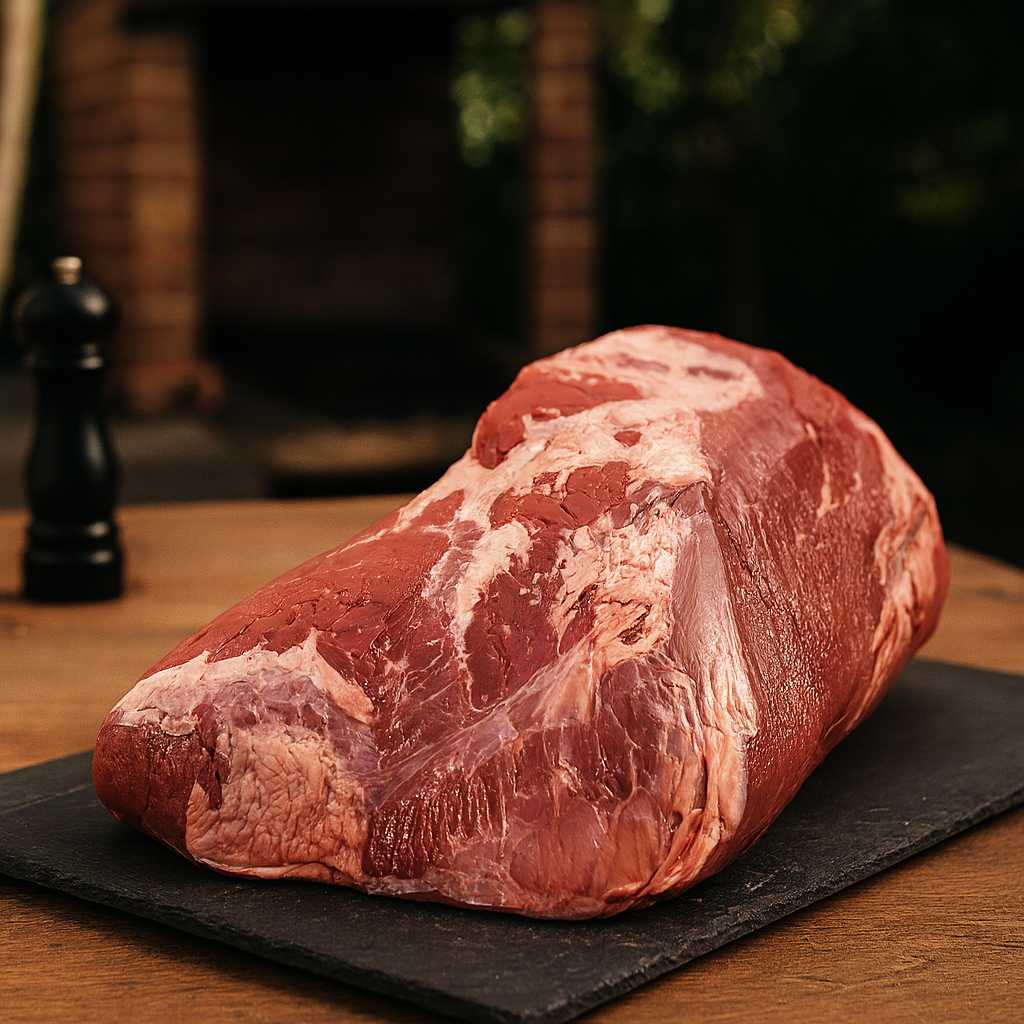
This robust cut, hailing from the shoulder, is marbled with fat and connective tissues that break down during slow cooking, resulting in meat that’s both tender and deeply flavoured. Ideal for smoking, it adopts the iconic smoky essence and develops a tender, pull-apart texture that rivals traditional brisket.
£97.50
A whole chuck roast is a substantial and versatile cut of beef that comes from the shoulder area, just above the brisket. This part of the animal works hard, which means the chuck contains a good amount of connective tissue, including collagen. This composition gives the chuck roast its characteristic rich flavour and the potential for tender, melt-in-your-mouth textures when cooked properly. Given its size and texture, a whole chuck roast is an excellent choice for feeding a group, making it a popular option for family dinners, special occasions, or meal prepping for the week.
The whole chuck roast is a staple for many comfort food recipes. It’s the go-to cut for classic dishes such as pot roast, where it’s slowly cooked with vegetables and broth until tender. It’s also ideal for beef bourguignon, a rich French stew that highlights the meat’s flavour, and for pulled beef sandwiches, where the cooked meat is shredded and mixed with barbecue sauce.
Chuck roast is a good source of protein, essential for building and repairing tissues in the body. It also provides important nutrients such as iron, which helps carry oxygen in the blood, and zinc, crucial for a healthy immune system. While it is higher in fat than some other cuts of beef, much of the fat can be rendered out during cooking or trimmed before serving, making it a versatile component of a balanced diet.

Steven Coleman (verified owner) –
David Payne (verified owner) –
Good quality
Louis Barclay-Jones (verified owner) –
Great cut! Used to grind my own mince for burgers and chilli. Emailed asking if this cut was available to buy and was on the website within the week! Happy to recommend.