FRESH, NOT FROZEN
DELIVERY FREE OVER £70
PICK DELIVERY DATE AT CHECKOUT
FROM LOCAL FARMS
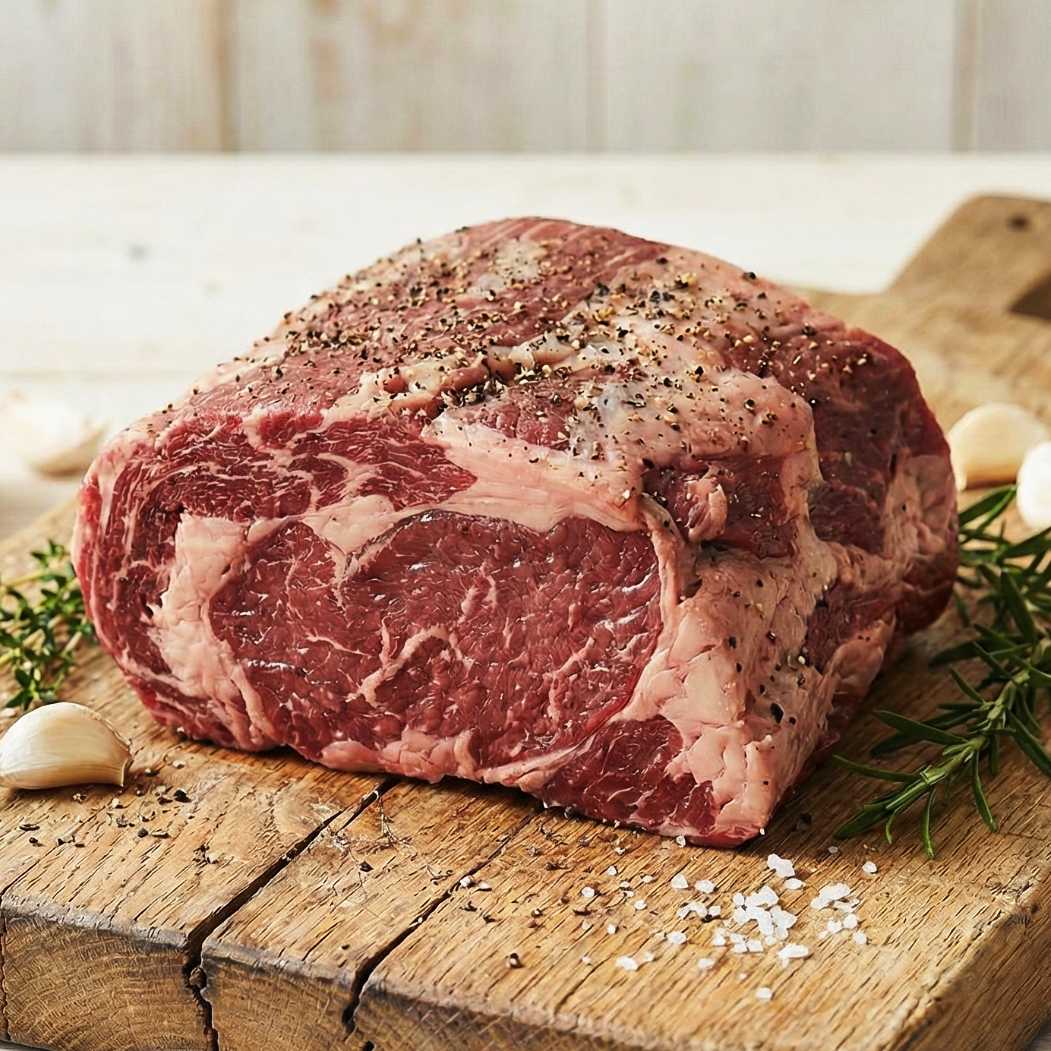
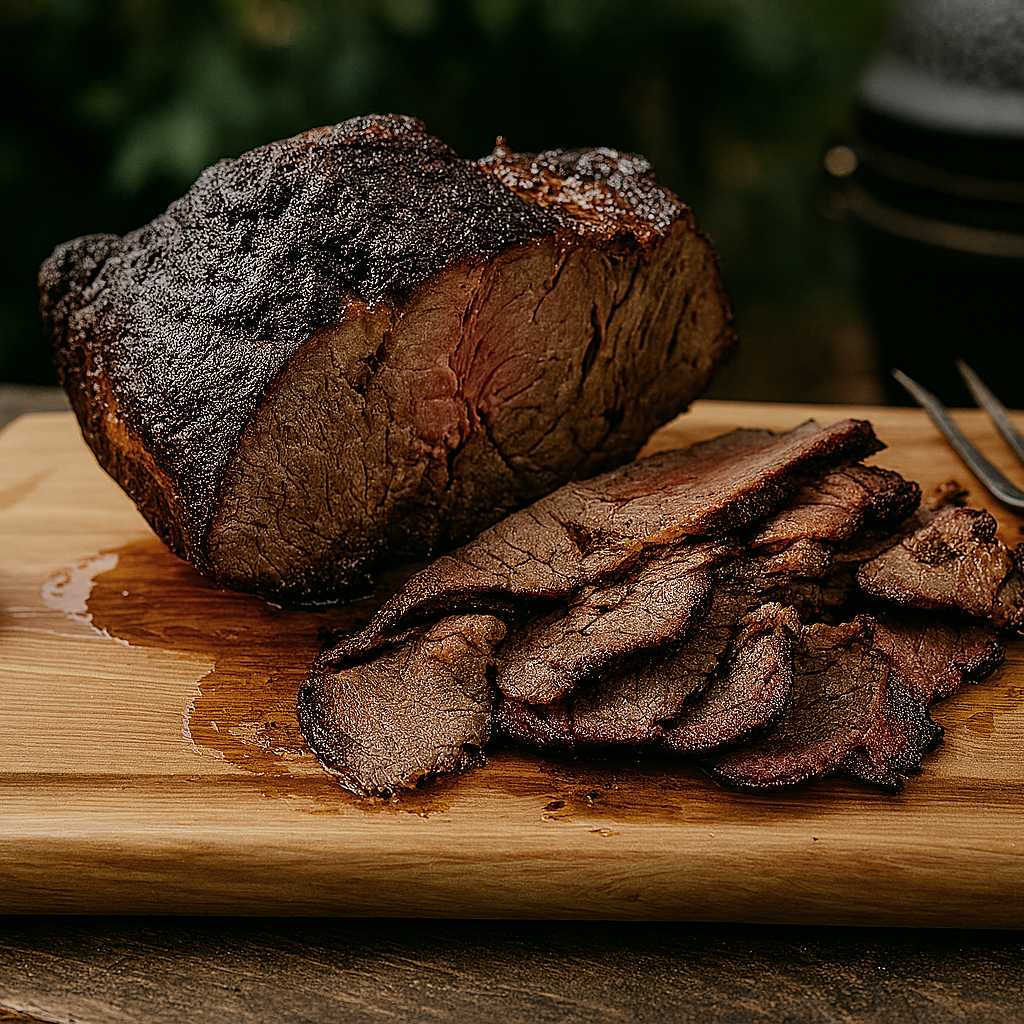
Ideal for braising, smoking, or slow roasting, our chuck roast transforms into a tender, flavour-packed feast with every cooking method.
Perfect for those cosy family dinners or special gatherings, it promises not just a meal, but an experience.
£43.00 – £64.50Price range: £43.00 through £64.50
Chuck roast is prized for its rich taste and succulent texture when cooked properly. This cut comes from the shoulder area, a part that gets a lot of exercises, making it full of flavour but also somewhat tough. The chuck section contains a significant amount of connective tissue, including collagen, which melts during the cooking process to tenderise the meat and give it a beautiful, rich mouthfeel.
Given its tougher nature, chuck roast is ideally suited to slow, moist-heat cooking methods like braising, stewing, or slow-roasting. These methods allow the meat to cook gently and slowly, breaking down the tough fibres and connective tissues, resulting in a tender, fall-apart finish that’s deeply satisfying. This makes chuck roast an excellent choice for hearty dishes such as beef stew, pot roast, and beef bourguignon.
Chuck roast is a good source of proteins, essential minerals such as iron and zinc, and B vitamins, particularly vitamin B12, which is crucial for healthy nerve function and the production of DNA and red blood cells.
For those who appreciate the quality and provenance of their food, opting for chuck roast from native breeds reared on North Yorkshire farms can add an extra layer of satisfaction, knowing the meat comes from animals that have been well-cared for and raised in a sustainable manner.
Cooking a chuck roast provides an excellent opportunity to get creative in the kitchen. Whether it’s seasoned simply with salt and pepper, marinated in rich sauces, or slow-cooked with a medley of root vegetables, this cut adapts well to a variety of flavours and cooking styles. Incorporating chuck roast into your meals not only offers a delicious dining experience but also brings the warmth and comfort of traditional home-cooked dishes to the table.
Here are several techniques to transform a chuck roast into a sumptuous feast:
Braising is perhaps the quintessential method for cooking chuck roast, perfect for creating dishes that are rich in depth and character. This technique involves searing the meat at a high temperature to develop a crust, then slowly cooking it in a modest amount of liquid (like stock, wine, or a combination of both) at a low temperature. The meat is usually accompanied by aromatics such as onions, carrots, and herbs, which meld together to produce a complex flavour. The result is an exceptionally tender roast, with a sauce that’s been naturally thickened by the gelatine released from the meat.
Utilising a slow cooker for chuck roast is a superbly convenient method, ideal for busy individuals or those seeking comfort without the fuss. Simply season the roast and place it in the slow cooker with your chosen vegetables and liquid, then let it cook on low for 8-10 hours or on high for about 5-6 hours. This method is excellent for achieving a ‘set it and forget it’ meal that’s ready to enjoy after a long day.
For those short on time, pressure cooking, such as using an Instant Pot or Ninja Foodi, can significantly reduce the cooking time while still yielding tender results. Similar to braising, the meat is first seared, then cooked under high pressure with liquid and aromatics, which infuses the roast with flavour rapidly. This method can produce a tender chuck roast in about 90 minutes, a fraction of the time required for traditional braising or slow cooking.
Pot roasting is another traditional method that involves cooking the chuck roast in a covered pot in the oven, surrounded by a small amount of liquid and vegetables. The oven’s consistent, all-around heat acts similarly to braising, but with less liquid, focusing on the roast’s natural juices to tenderise and flavour the meat. This method creates a succulent roast with vegetables that are cooked to perfection, absorbing the meat’s essence.
For the culinary enthusiast looking for precision and perfection, sous vide is a method worth exploring. The chuck roast is vacuum-sealed in a bag with seasonings and cooked in a water bath at a precisely controlled temperature for an extended period. This method ensures the meat is cooked evenly throughout, achieving an unparalleled tenderness and flavour retention. After sous vide cooking, a quick sear on the roast will add the desirable caramelised crust.
Smoking a chuck roast introduces an entirely new dimension of flavour, infusing the meat with the distinct, aromatic qualities of wood smoke. This method not only tenderises the meat but also imparts a unique, smoky character that’s hard to achieve with other cooking techniques. Here’s how to successfully smoke a chuck roast, transforming it into a dish that’s both deeply flavourful and satisfyingly tender.
Smoking a chuck roast is a rewarding endeavour that requires patience and attention to detail. The low and slow process not only tenderises the meat but also saturates it with a smoky flavour that’s unmatched by other cooking methods. Whether you’re a seasoned pitmaster or new to the art of smoking, the chuck roast offers a versatile and forgiving canvas to practice and perfect your skills, resulting in a dish that’s sure to impress.

Steve Darby (verified owner) –
First time smoking a chuck roast, it did not disappoint, it went down way to well and quickly, great cut of meat!
Jon Frend (verified owner) –
This cut, new to me, turned into one of the best ‘kitchen’ roasts I’ve cooked. 2kg – seared, sat on onion, carrot, celery, rosemary, bay and thyme in a casserole dish (no extra liquid), lid sealed with foil, and cooked in 150⁰ C fan oven till 96⁰ C internal. Wrapped in foil and a thick towel for an hour. The joint was butter-tender and produced a deeply rich gravy. Next one’s going in the ugly drum smoker!
David Payne –
Great quality, prompt delivery, very satisfied
Christophe Rios (verified owner) –
Very good quality meat received well packed. Made an amazing stew with it. Will buy again !
Steven Coleman (verified owner) –
Robert Naylor (verified owner) –
Lovely. Plenty of marbling
Mary dillon (verified owner) –
Great chuck steak quality and great price perfect for Sunday roast
Elena Pipi (verified owner) –
Scott Koole (verified owner) –
First time trying chuck low and slow and this came out great!
Leighton Seabrooke (verified owner) –