FRESH, NOT FROZEN
DELIVERY FREE OVER £50
PICK DELIVERY DATE AT CHECKOUT
FROM LOCAL FARMS
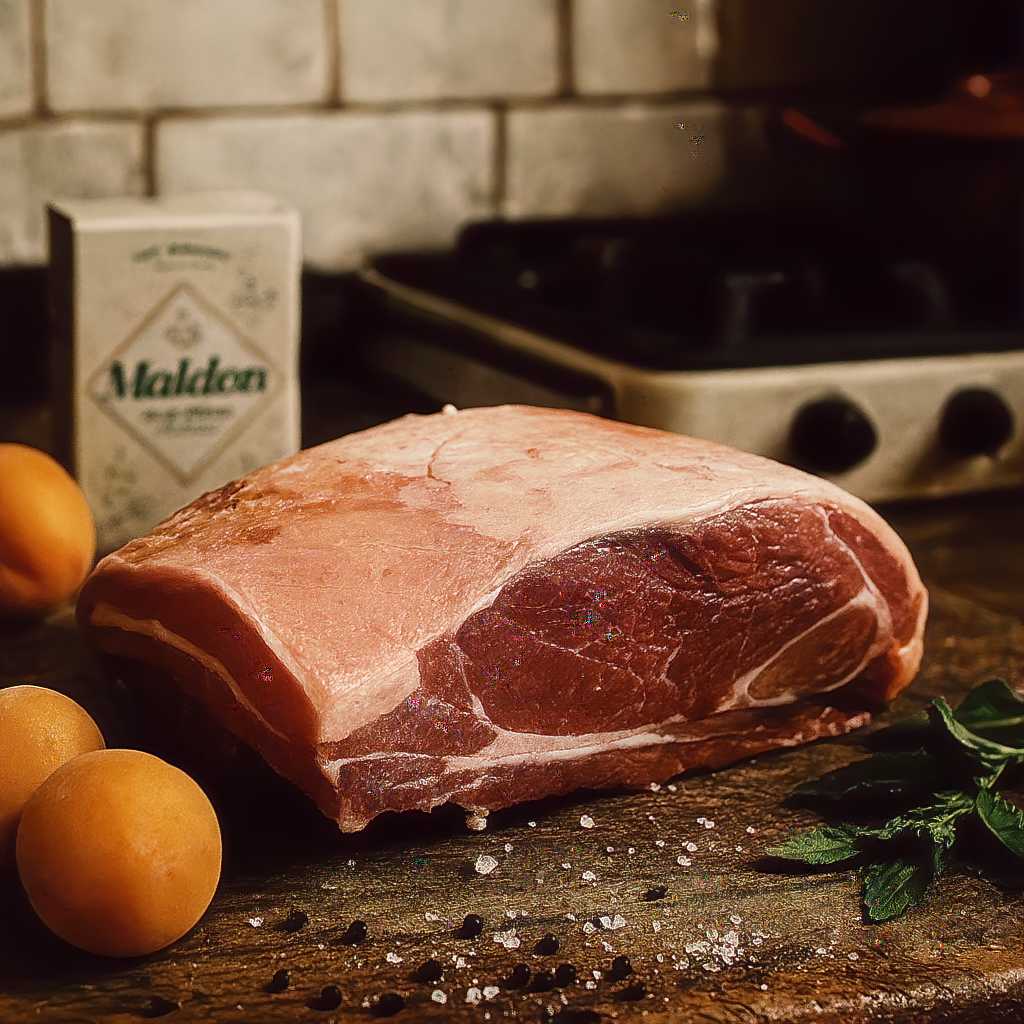
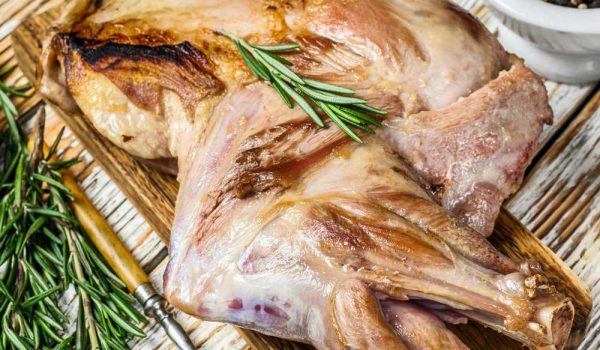
Our blade end of a lamb shoulder is a cut that comes from the upper half of the shoulder, as opposed to the shank end, which is situated above the front leg. This section includes part of the shoulder blade, which lends the cut its name.
Rich in connective tissue, fat, and flavour, the blade end is a superb choice for slow-cooked dishes like braises, stews, and slow roasts.
The blade end of a lamb shoulder offers an opportunity to enjoy a traditional, hearty meal that truly celebrates the rich flavours lamb has to offer.
£37.50 Original price was: £37.50.£33.75Current price is: £33.75.
The bone structure in the blade end adds complexity to the cooking process but pays off in flavour. The presence of the bone serves as a conduit for heat, allowing the meat to cook more evenly and gives the dish with a richer, more robust taste. It’s also worth noting that the bone can be left in for aesthetic and flavour purposes or removed for easier carving.
Because of the higher fat content and connective tissue in this cut, it benefits from cooking methods that allow it to become tender over time. Think slow roasting, braising with aromatic herbs, or even smoking. These techniques let the fibres of the meat break down slowly, ensuring a succulent, melt-in-your-mouth experience.
The shoulder cut is usually marbled with fat, which makes it exceptionally tender when cooked slowly. The bone itself serves multiple purposes: not only does it add a touch of rustic charm to your table setting, but it also contributes significantly to the meat’s flavour profile during cooking. As the bone heats up, it releases collagen, which melds with the meat’s natural juices, lifting the taste to an entirely new level.
The versatility of a bone-in lamb shoulder lends itself to a variety of cooking methods, each highlighting different aspects of its flavour and texture. Here are some cooking techniques you might consider:
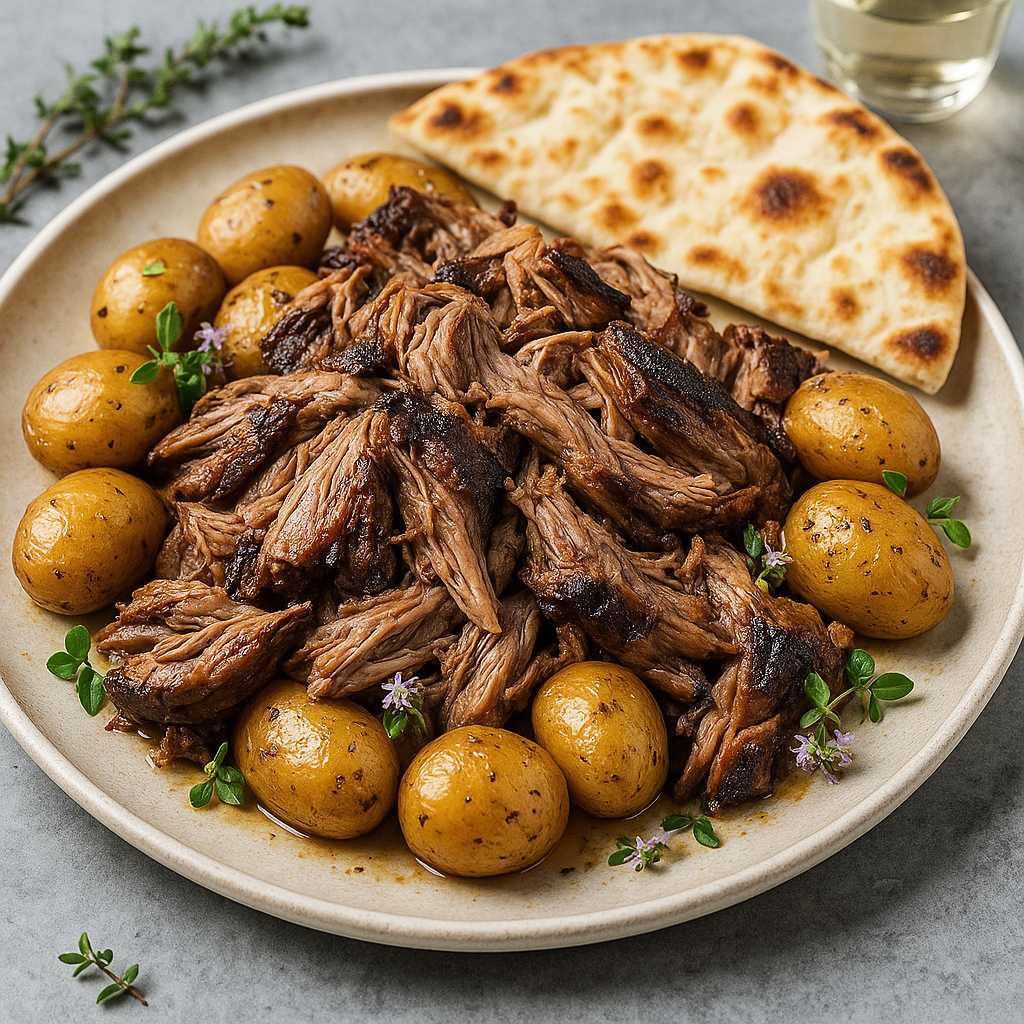
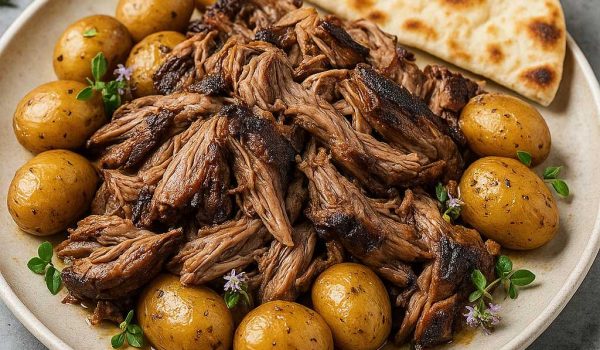
Arguably the most traditional method, slow-roasting is a wonderful way to accentuate the meat’s natural tenderness. Infuse with garlic, rosemary, and olive oil, then cook at a low temperature for several hours until the meat falls off the bone.
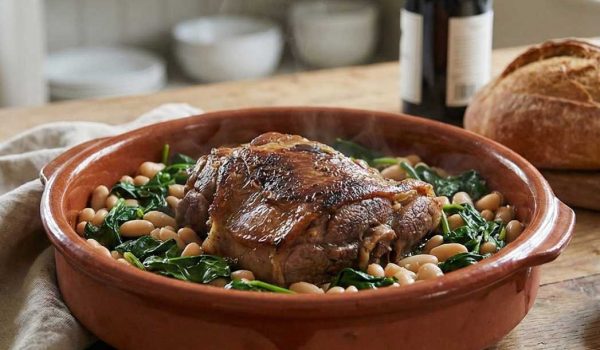
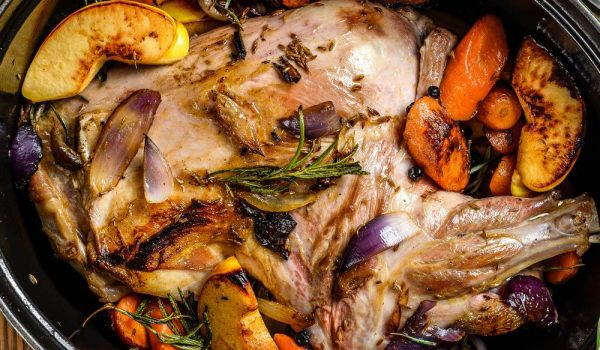
Braising in a liquid like a red wine or beef stock ensures the meat absorbs extra aromas while cooking. It’s a wonderful method when you’re aiming for a rich, saucy outcome. Ideal for winter evenings or family gatherings.
Though perhaps less traditional, smoking the shoulder imparts a unique, woody flavour to the meat. Hickory or oak chips could be good options here. This method usually takes a good amount of time but delivers a very special finish.
If time is of the essence, a pressure cooker can deliver tender, succulent meat in a fraction of the time other methods might take. Though you may sacrifice a little on the crispy outer layer, the result is still delicious.
For those fortunate enough to have large outdoor grills or barbecues, grilling the bone-in lamb shoulder can impart a smoky char to the exterior, while keeping the inside juicy. Consider marinating beforehand and using indirect heat to avoid overcooking.
Regardless of the technique, a bone-in lamb shoulder from North Yorkshire promises to deliver a meal that’s both satisfying and full of traditional flavour.
For a traditional slow-roast. Score the fat and insert slices of garlic and sprigs of rosemary directly into the meat for deep flavour infusion. Don’t forget a robust seasoning of salt and pepper.
Celebrating the essence of the ingredients. Combine breadcrumbs, lemon zest, and a mix of fresh herbs like mint, parsley, and thyme, then pat this mixture onto the lamb shoulder before roasting.
Marinate the lamb shoulder in a mixture of pomegranate molasses, cumin, and coriander seeds. Slow-roast and then finish with a scattering of fresh pomegranate seeds and mint leaves for a vibrant touch.
Slow-roasting the lamb shoulder in a bath of red wine, seasoned with anchovies and garlic. The anchovies dissolve, adding a complex saltiness rather than a fishy flavour.
Sous-vide the lamb shoulder at a low temperature to ensure maximum tenderness. Once cooked, a quick sear in a very hot pan could add that desirable crust.
These are general guidelines for a 100g serving of cooked bone-in lamb shoulder:
Calories: 265-300 kcal
Protein: 22-25g
Fat: 20-23g
Saturated Fat: 8-10g
Monounsaturated Fat: 9-10g
Polyunsaturated Fat: 1-2g
Cholesterol: 80-90mg
Sodium: 50-70mg
Vitamin B12: About 1.3µg (55% of Daily Recommended Intake)
Zinc: Approximately 4mg (36% of Daily Recommended Intake)
Iron: Around 1.8mg (10% of Daily Recommended Intake)
Protein-Rich: Lamb shoulder is an excellent source of high-quality protein, essential for muscle repair and overall bodily functions.
Vitamins and Minerals: Particularly rich in B vitamins like B12 and B6, as well as minerals like zinc and iron, which are essential for metabolic processes and maintaining a healthy immune system.
Fat Content: The cut is higher in fat compared to leaner parts like the leg, so it’s important to moderate consumption if you’re on a calorie-restricted or low-fat diet.
Cholesterol and Sodium: While lamb is a red meat and thus a source of cholesterol, it’s relatively low in sodium, making it a better option for those watching their salt intake.
Dietary Considerations: Suitable for high-protein diets like Keto and Paleo but may not be the best option for low-fat or low-calorie diets.
Montserrat Casanovas Vivet (verified owner) –
Helyn Wright-Todd (verified owner) –
David Payne (verified owner) –
Good value
Leighton Seabrooke (verified owner) –
Robert Brauer (verified owner) –
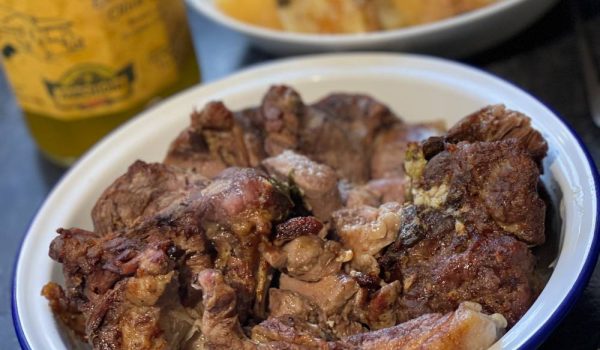
Came out amazing after a 7hr smoke on the Traeger
Maxine Toms (verified owner) –
Janet Brindle (verified owner) –
Brilliant we rave about Grid Iron simply the best
Iliya Shikov (verified owner) –
Ewen Scott (verified owner) –
Helena Pearsall (verified owner) –
Superb joint. Amazing flavour. Great packing and delivery