FREE UK MAINLAND DELIVERY ON ORDERS OVER £70

Whole Yorkshire lamb half leg, boned and rolled, gently braised in milk with fresh sage, garlic and lemon zest. The lamb stays in one piece for easy carving, while the milk and roasting juices become a rich, rustic sauce.

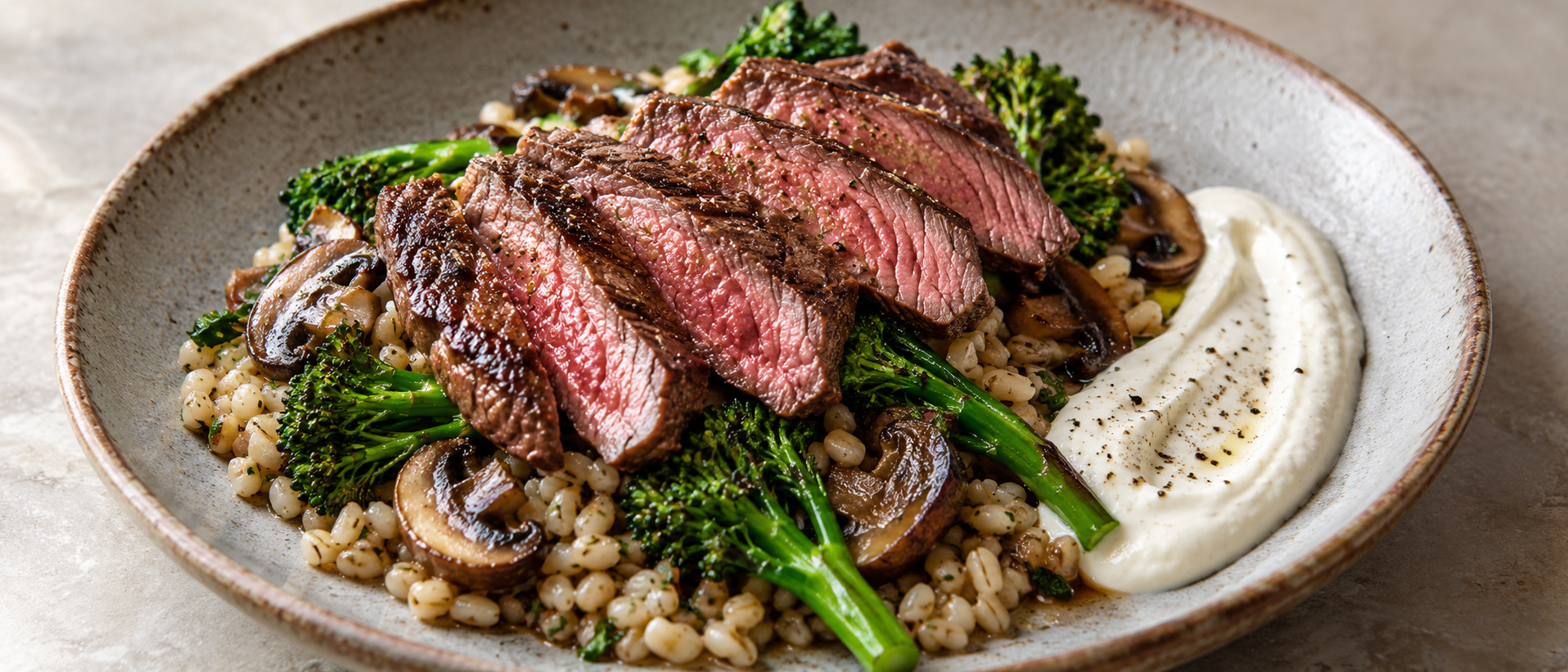
This dish takes its inspiration from the Italian tradition of braising meat in milk. It is a different way to enjoy a lamb roasting joint: a gentle, covered oven cook rather than a hot, open roast. The milk may split into soft golden curds as it cooks; that is expected, not a mistake. Serve the sliced lamb with Parmesan polenta and garlicky cavolo nero, or with mashed potatoes and seasonal greens.

The cooking time is a guide for a half leg of approximately 1.3kg. Joint shape and oven performance vary, so follow the centre-temperature and tenderness checks rather than the clock alone.

INGREDIENTS

For the lamb

  • 1 Grid Iron Yorkshire Lamb Half Leg - Boned & Rolled, approximately 1.3kg (use the weight supplied)
  • 1 tbsp olive oil
  • 10g fine sea salt
  • 1/2 tsp freshly ground black pepper
  • 800ml whole milk, plus up to 200ml extra if needed
  • 1 medium onion, peeled and quartered
  • 4 garlic cloves, lightly crushed
  • 10-12 fresh sage leaves
  • 2 bay leaves
  • 1 unwaxed lemon
  • 25g unsalted butter, optional, to finish the sauce

To serve

  • Creamy Parmesan polenta or buttery mashed potatoes
  • Garlicky cavolo nero, spring greens or green beans
  • A few fresh sage leaves, finely chopped
METHOD

Italian-style milk-braised lamb - conventional oven

  1. Prepare the joint. Pat the lamb dry with kitchen paper. Keep the butcher's cooking string in place so the joint holds its shape. Season evenly with 10g fine sea salt and the black pepper.
  2. Heat the oven. Preheat to 170°C conventional / 150°C fan. Choose a heavy, ovenproof casserole with a tight-fitting lid, just large enough to hold the rolled joint comfortably.
  3. Brown the lamb. Heat 1 tbsp olive oil in the casserole over a medium-high heat. Brown the lamb on all sides for approximately 8-10 minutes in total. Transfer to a plate.
  4. Cook the aromatics. Lower the heat. Add the quartered onion and crushed garlic and cook for 3-4 minutes, turning occasionally. Add 10-12 sage leaves and the bay leaves. Peel 4-5 thin strips of zest from the lemon, avoiding the bitter white pith, and add to the pot.
  5. Add the milk. Warm 800ml whole milk in a separate pan until steaming, without boiling. Take the casserole off the heat, pour in the warm milk and scrape up the browned juices. Return the lamb and its resting juices to the pot. The milk should reach about halfway up the joint. If needed, add some of the extra milk.
  6. Cover and braise. Fit the lid and cook in the oven for approximately 2-2½ hours, or until the joint is safely cooked and tender enough to carve. Turn the lamb after about 60 minutes. Check occasionally that the liquid is barely simmering; add a splash of warm milk if it reduces too far. Do not let it boil vigorously or scorch.
  7. Check the centre. Begin probing the thickest part after around 90 minutes. Because this joint has been boned and rolled, cook the centre to 75°C for 30 seconds (or an equivalent time-temperature combination). Continue cooking as necessary. The meat should offer little resistance to a skewer while remaining firm enough to slice. Cooking time is approximate: temperature and texture decide when it is ready.
  8. Rest the joint. Lift the lamb onto a warm board, cover loosely with foil and rest for 15-20 minutes. Keep the casserole and its cooking liquid.
  9. Make the sauce. Remove the bay leaves, lemon zest strips and any large sage leaves. The milk may have separated into soft curds and liquid; this is normal. Mash the softened onion and garlic into the curds and juices, or give the sauce a short pulse with a stick blender for a more even texture. If thin, reduce very gently for a few minutes, stirring often. Stir in 25g butter if using, taste, then add a little freshly squeezed lemon juice at the end. Do not boil hard after adding lemon.
  10. Carve and serve. Remove the string and carve the rested joint into thin to medium slices across the grain. Spoon the warm sage-and-lemon milk sauce around the lamb rather than covering every slice. Serve with polenta or mash and seasonal greens; finish with a little freshly chopped sage.

What to serve with milk-braised lamb

  • Creamy Parmesan polenta: A traditional Italian-style accompaniment that catches the soft curds and savoury cooking juices.
  • Garlicky cavolo nero: Cook briefly with olive oil and garlic until tender. Its slight bitterness balances the creamy sauce.
  • Roasted fennel: Roast wedges until golden and finish with lemon for a lightly sweet, aniseed contrast.
  • Buttery mashed potatoes: A familiar alternative for a family Sunday lunch.
  • Green beans or spring greens: Keep them simply dressed so the sage and lemon remain the main flavours.

The milk sauce

Do not expect a white cream sauce. The milk may separate during the long cook and form small, golden curds. These hold the flavour of the lamb, garlic and sage. For a rustic finish, leave them visible; for a smoother finish, briefly blend. Add the fresh lemon juice only at the end.

For this dish use the Grid Iron Yorkshire Lamb Half Leg - Boned & Rolled. Keep the joint tied throughout cooking and remove the string only after resting.

Preparation Time: Approximately 20 minutes hands-on; allow time for the oven to preheat and for the lamb to rest.
Cooking Time: Approximately 2-2½ hours covered in the oven at 170°C conventional / 150°C fan, after 8-10 minutes browning; rest for 15-20 minutes. Check from 90 minutes and use the centre temperature and tenderness to determine the finish.

Hot Tips

  • Keep the joint whole. The boned and rolled shape is the point of this recipe. Leave the butcher's string in place until carving.
  • Use whole milk. Its fat and proteins produce a richer sauce than skimmed milk.
  • Keep the simmer gentle. A heavy casserole and tight lid help the milk cook without scorching. Do not allow a rolling boil.
  • Curds are normal. The milk can split into soft golden curds during braising. They are part of the rustic sauce.
  • Use a thermometer. Because this is a boned and rolled joint, check that the centre reaches 75°C for 30 seconds rather than relying on timing alone.
  • Use zest first, juice last. Lemon zest perfumes the milk while the joint cooks. Add a little lemon juice only after the braise to control the acidity.
  • Rest before carving. Give the cooked joint 15-20 minutes, then cut across the grain for neat slices.
  • Recipe development. The times and milk quantity are a practical starting point for an approximately 1.3kg joint and should be kitchen-tested before publication.

Print recipe