Grid Iron Gourmet
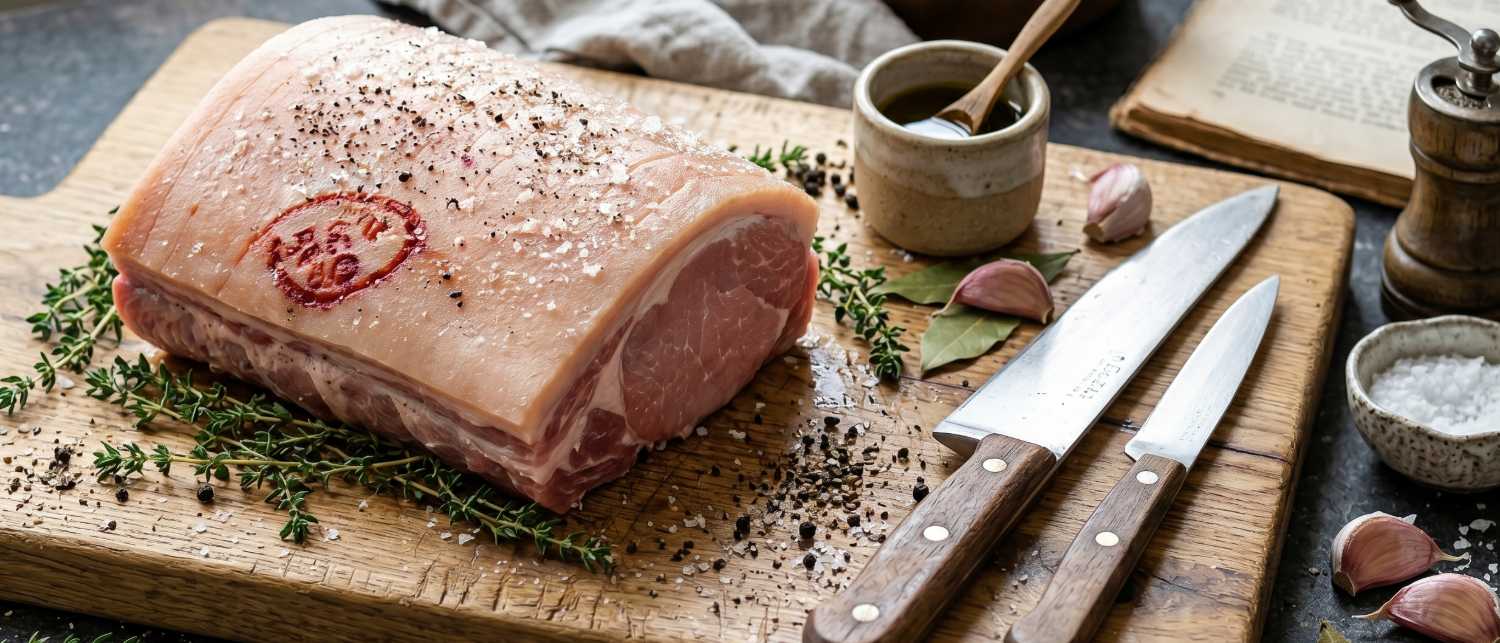
Pork loin is one of the most straightforward roasting joints when it is treated for what it is: a fine-grained cut protected by a natural covering of fat.
That fat matters. It carries flavour, bastes the meat as it cooks and helps produce the succulent slices that make loin such a good Sunday roast. The trick is not complicated cooking; it is avoiding unnecessary overcooking, using temperature rather than guesswork and allowing enough time for the joint to rest before carving.
Let the natural fat do its job, roast at a moderate temperature, use a digital probe in the thickest part of the joint and give the pork a full 15–20 minute rest before carving.
The loin is the long muscle running along the back of the pig. It has a fine grain and relatively little connective tissue, which is why it suits roasting and neat carving rather than the prolonged cooking used for cuts such as shoulder or collar.
With traditional rare-breed pork, the covering of natural fat is an important part of the eating quality. Rather than trimming it away, use it to your advantage while the joint cooks.
The size of joint you need depends as much on the meal as the number of people. Roast potatoes, Yorkshire puddings and several vegetables stretch a joint further; deliberately allowing extra gives you excellent cold pork for the following day.
Take the joint from the fridge around 45–60 minutes before cooking. Pat the surface dry and season it well. Pork loin works naturally with sage, thyme, rosemary, fennel, mustard, apple and cider, but good pork does not need to be heavily flavoured.
Roast at a moderate oven temperature and judge doneness with a digital probe rather than relying entirely on a fixed number of minutes per kilogram. Different ovens, joint shapes and starting temperatures can all alter cooking time.
Check the centre of the thickest part of the joint with a digital thermometer. For food safety, use a validated time-and-temperature combination. A straightforward benchmark is 70°C for at least 2 minutes; 65°C held for 10 minutes is an equivalent combination. Rest the joint for 15–20 minutes before carving.
Resting isn’t simply dead time between the oven and the table. During roasting, heat drives moisture through the meat. Giving the joint 15–20 minutes before carving allows the temperature and juices to settle.
Keep it somewhere warm and loosely covered rather than wrapping it tightly enough to steam the surface.
A boneless loin is one of the easiest roasting joints to carve. Use a long, sharp knife and cut clean slices across the joint rather than sawing backwards and forwards.
Don’t automatically discard the fat as you carve. A little with each slice is part of the flavour and character of traditional pork.
You can take pork loin in several directions without overwhelming it.
One reason to buy a slightly larger joint is that pork loin is particularly useful cold. Thinly sliced pork makes excellent sandwiches with mustard or apple sauce, but leftovers can also go into salads, fried rice, noodles or a warm grain dish.
Treat the second meal as part of the plan rather than something to rescue afterwards.
Grid Iron Gourmet Guide
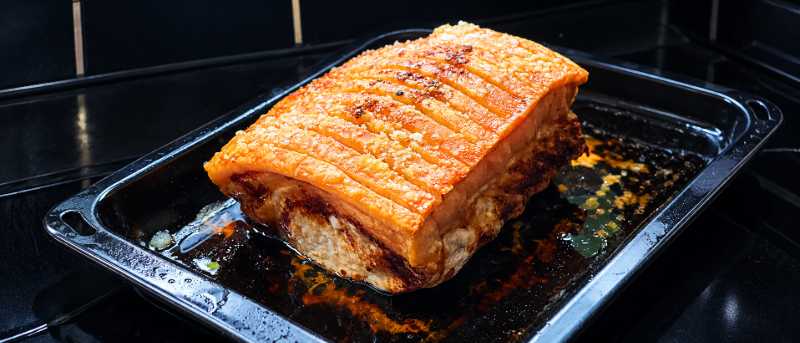
For the full cooking guide, including preparation, temperature and resting advice, see our dedicated guide to cooking pork loin.
Pork loin doesn’t need a complicated recipe to make a good Sunday lunch. Good meat, sensible seasoning, accurate cooking and a proper rest will take you most of the way there.
From the Butchery
British rare-breed pork with fine-grained texture, developed flavour and the natural fat that gives traditional pork its character. Available in three roasting-joint sizes.
We think pork should taste unmistakably of pork. Traditional breeds, natural fat and careful butchery give the meat character before it ever reaches the oven. The cook’s job is then relatively simple: don’t remove what makes the joint good, don’t cook it further than necessary and give it time to rest before carving.