Grid Iron Gourmet
The important bit is not complicated: brown the outside, use the centre temperature
rather than the clock to judge the roast, give it a full rest, then carve it into rounds.
Shoulder and leg are the lamb roasting joints most people know, but saddle behaves rather differently.
The meat is naturally tender, so the aim is not to cook it until it falls apart.
A saddle is at its best when the outside is well browned while the centre remains juicy
and pink to your preferred degree of doneness.
Boning and rolling also gives the joint a relatively even shape. That helps it cook more
consistently than an irregular bone-in joint and makes portioning particularly simple.
Pat the joint dry and season it with salt and black pepper.
A little oil is enough to help with the initial browning.
Heat a heavy pan properly, then sear the saddle on all sides until the surface has taken on a
good golden-brown colour. Do not rush this part: the browning gives the finished roast much
of its savoury character.
The Grid Iron Gourmet cooking guide starts the joint in a hot oven at
220°C conventional / 200°C fan, then reduces the oven to
160°C conventional / 140°C fan.
Because individual joints and ovens vary, a thermometer is a much better guide than relying
only on a fixed roasting time. The guide uses a centre temperature of around
55°C for medium-rare and 60°C for medium.
Once the saddle comes out of the oven, leave it to rest for around 15 minutes before carving.
This is particularly important with a leaner, tender roasting cut. Cutting into it immediately
allows far more of the juice to escape onto the board instead of staying in the meat.
The smaller 800g saddle is a useful choice when you want the quality of a centrepiece roast
without cooking a particularly large joint.
The 1.5kg joint makes more sense for a larger table or when you deliberately want some lamb
left for the following day.
The cooking principle is the same for both. The larger joint will naturally need longer in the
oven, which is another reason to let the thermometer decide when it is ready rather than trying
to make one roasting time fit every size.
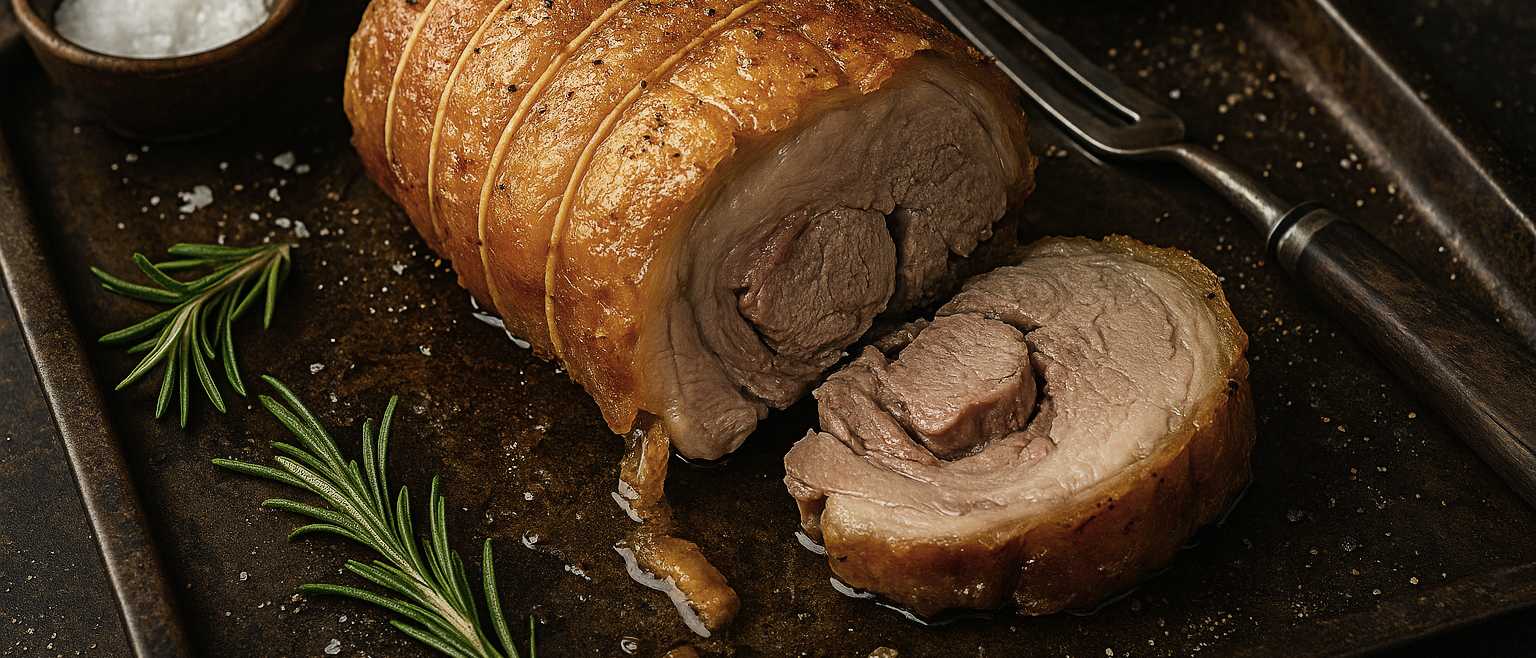
Once the joint has rested, remove the butcher’s string and use a sharp carving knife to slice
straight across the roll.
The even shape is one of the advantages of a saddle: you get tidy slices containing the
different parts of the joint rather than having to work around bones at the table.
You can take it in a very traditional roast direction or keep the plate fresher and lighter.
Good matches include:
Grid Iron Gourmet Guide
Our full lamb saddle guide also covers reverse searing, pan roasting, slower cooking
and sous vide, as well as temperatures, sides and pairings.
Lamb saddle has the appearance of a special-occasion joint, but most of the complicated work
has already been done in the butchery. Once it has been boned, rolled and tied, your job is
essentially to brown it, roast it carefully and give it enough time to rest.
From the Butchery
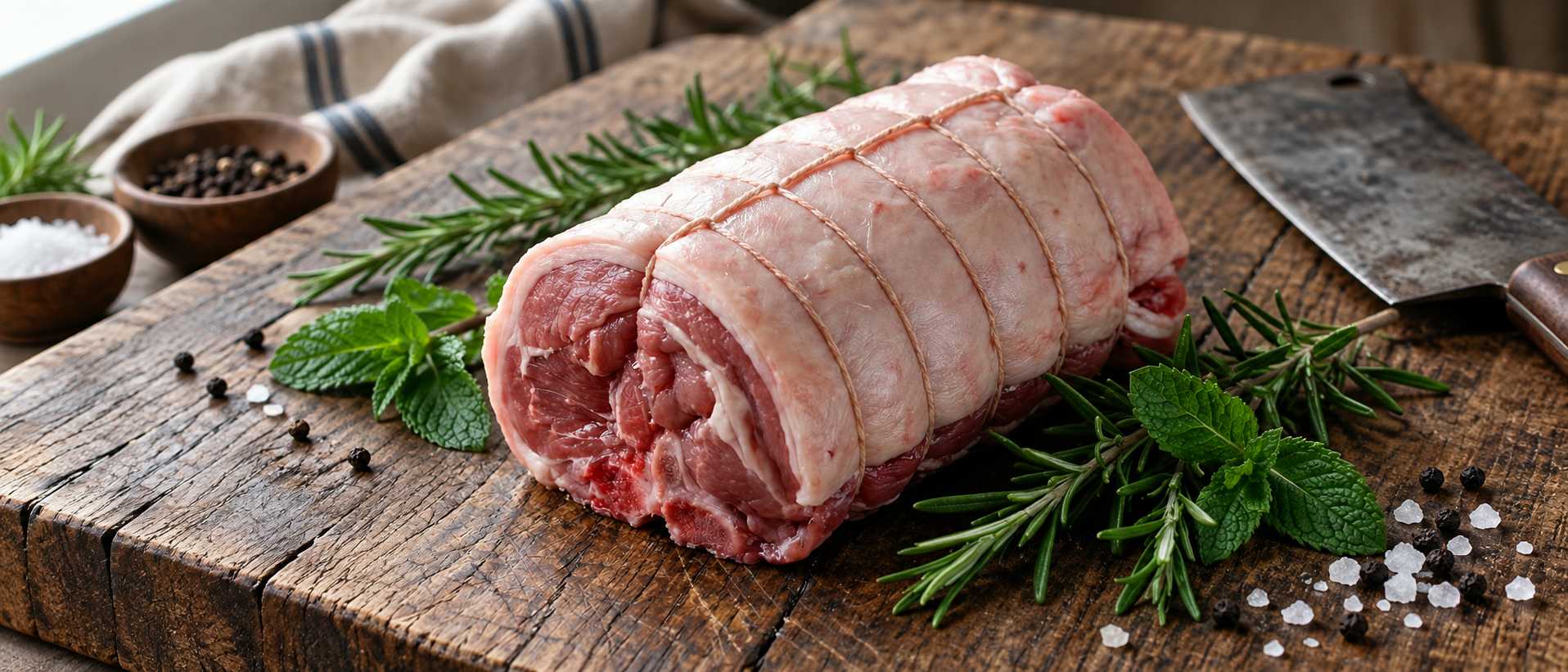
Yorkshire lamb saddle, boned, rolled and tied by our butchers to make an even,
easy-carving roasting joint with the loin and fillet at its heart.
Saddle is a good example of where skilled butchery makes a cut more useful rather than
simply making it look neater. Removing the bones and rolling the loin and fillet together
gives you an even roast that is easy to cook and carve while retaining the character of
one of the lamb’s most tender sections.