Grid Iron Gourmet
Pork tenderloin — usually called pork fillet in the UK — is a small, fine-grained muscle that runs along the spine. It is naturally tender, mild in flavour and quick to cook, which makes it very different from the larger pork loin used for roasting joints and loin steaks.
Because tenderness is already built into the cut, the job in the kitchen is not to soften it with a long cook. It is to add colour, cook it just far enough and then stop before that tenderness is lost.
This is not a cut that benefits from hours in the oven. Tenderloin has a fine texture and relatively little connective tissue, so quick roasting, grilling and pan-searing suit it far better than slow cooking.
The names are easy to confuse. Tenderloin, or fillet, is long, narrow and small. Pork loin is the much larger back muscle used for loin roasting joints and steaks.
That difference matters in the pan. Loin can be treated as a larger roasting cut; tenderloin cooks much faster. If you want pulled pork or a long, slow roast, shoulder or collar is a better choice.
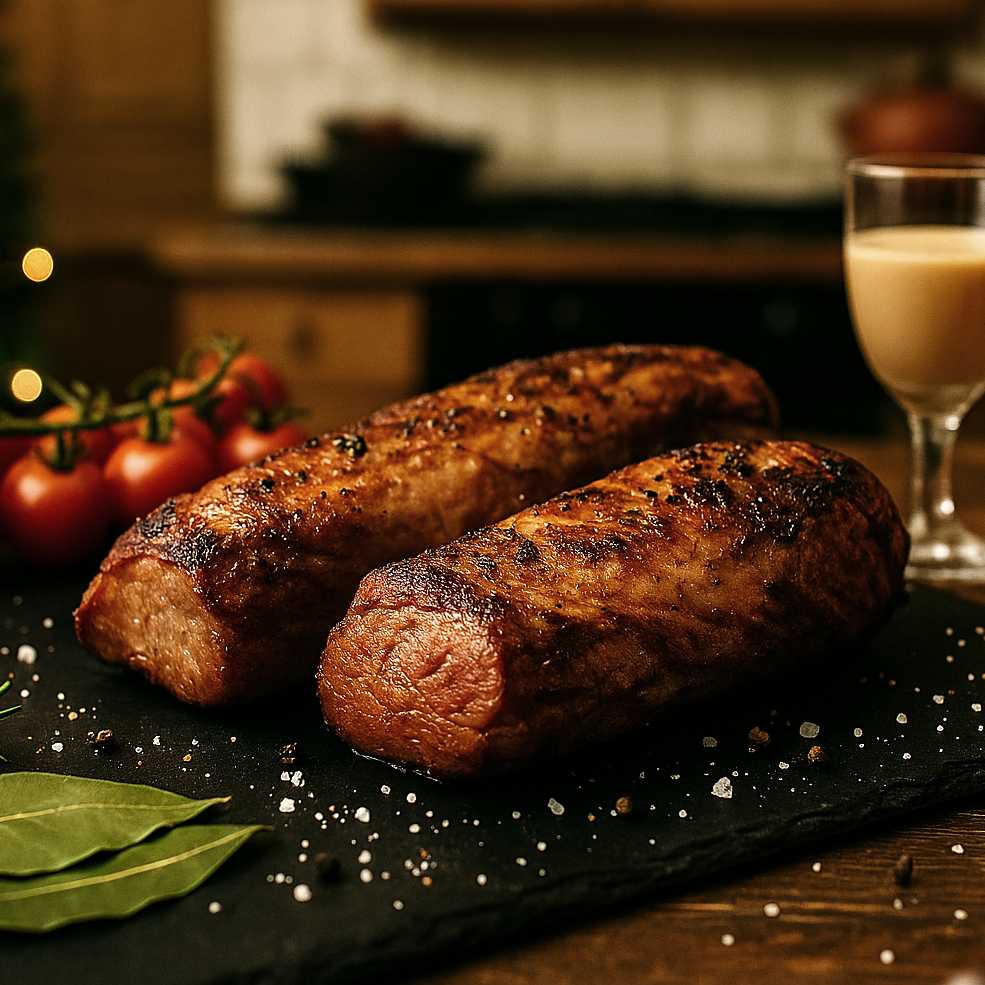
A whole tenderloin is straightforward to cook, but the margin between juicy and dry is smaller than with a slow-cooking cut. A hot pan is useful for developing colour before the pork finishes in the oven.
For pork tenderloin, an internal temperature of around 63°C is the useful target. Remove it from the heat once it reaches that point and let it rest for at least 10 minutes. The temperature will continue to rise slightly as it rests, while the juices redistribute through the meat.
Tenderloin does not need to stay whole. Cut into thick medallions, it cooks very quickly in a pan and works well with mustard, mushrooms, cider or a simple cream sauce.
Slice it more thinly and it becomes an excellent choice for Stroganoff or stir-fry. In both cases, add the pork late enough that it cooks through without spending unnecessary time in the pan.
The flavour of tenderloin is relatively mild, which makes it a useful base for sauces and marinades. Mustard, cider, apple, mushrooms, rosemary, thyme and sage all work well.
It also takes brighter or more aromatic flavours comfortably: citrus, soy, chilli, cumin and coriander all suit quick-cooked pork, particularly when the tenderloin is grilled or sliced into strips.
Grid Iron Gourmet Recipe
A straightforward way to put the technique into practice: colour the tenderloin, roast it quickly and give it time to rest before slicing.
Tenderloin becomes dry when it is treated as though more cooking must always make meat more tender. With this cut, the opposite is true. Once it is cooked, extra heat simply drives out moisture and firms the texture.
From the Butchery
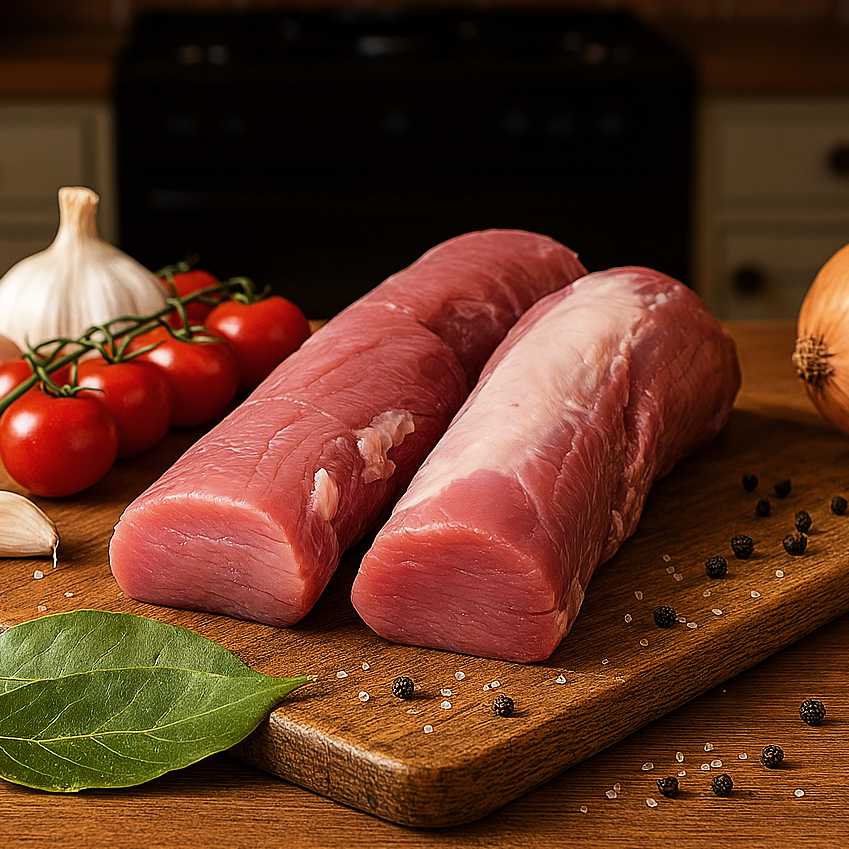
A fine-grained, naturally tender cut for roasting whole, grilling, medallions, Stroganoff and stir-fry. Approximately 500g and suited to around two servings.
Tenderloin is a good example of why choosing the right cooking method matters as much as choosing the cut. It does not need a long cook to become tender. Treat it as the quick-cooking cut it is, use a thermometer rather than guesswork, and stop once the meat has reached the point you want.