Grid Iron Gourmet
Mutton has rather fallen out of everyday cooking, which is a shame. A good leg has a depth and savoury character that you simply do not get from younger lamb, and autumn is exactly the time to make the most of it.
It does ask for a slightly different approach. Rather than treating it as a quick roast, give mutton time. Cooked gently, the firmer texture softens, the fat renders and the flavour develops into something particularly satisfying.
The extra maturity gives mutton a darker colour, firmer texture and a deeper, more developed flavour. That character is precisely what makes larger joints so rewarding when they are cooked slowly.
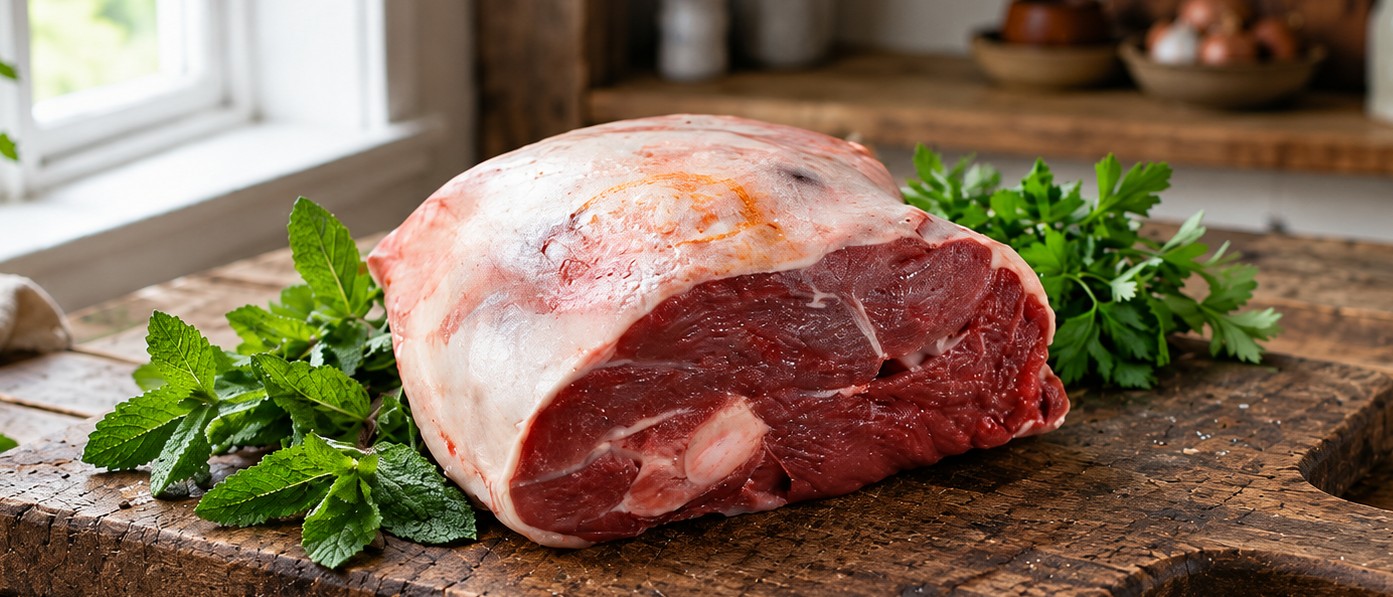
The leg gives you plenty of lean, deeply flavoured meat along with enough fat and structure to benefit from a long cook. It makes an excellent centrepiece for a Sunday lunch, particularly when you want something a little different from beef or lamb.
Whole legs are substantial joints, but a half leg gives you the same character in a more manageable size. The rump end comes from the upper, meatier part of the leg and is particularly good for roasting.
Mutton responds particularly well to gentle heat and plenty of time. Season generously and use flavours that can stand alongside the meat rather than disappearing behind it.
For the very tender slow-cooked style, a joint around 2kg may take roughly 4½–5½ hours at about 140°C. An internal temperature around 90°C is a useful guide, but the final test is whether a probe or skewer slides into the meat with very little resistance.
Resting matters with any roast, but it is especially worthwhile after a long slow cook. Take the joint off the heat, cover it loosely and leave it for at least 30 minutes.
That gives the meat time to settle before you carve or pull it and makes organising the rest of lunch considerably easier too.
Because mutton has more depth than lamb, it stands up very well to strong autumn flavours.
A large roast is even easier to justify when the leftovers are this useful. Shredded mutton is excellent folded into a shepherd’s pie, added to a curry, stirred through a rich tomato sauce or used as the starting point for a warming soup or stew.
Grid Iron Gourmet Collection
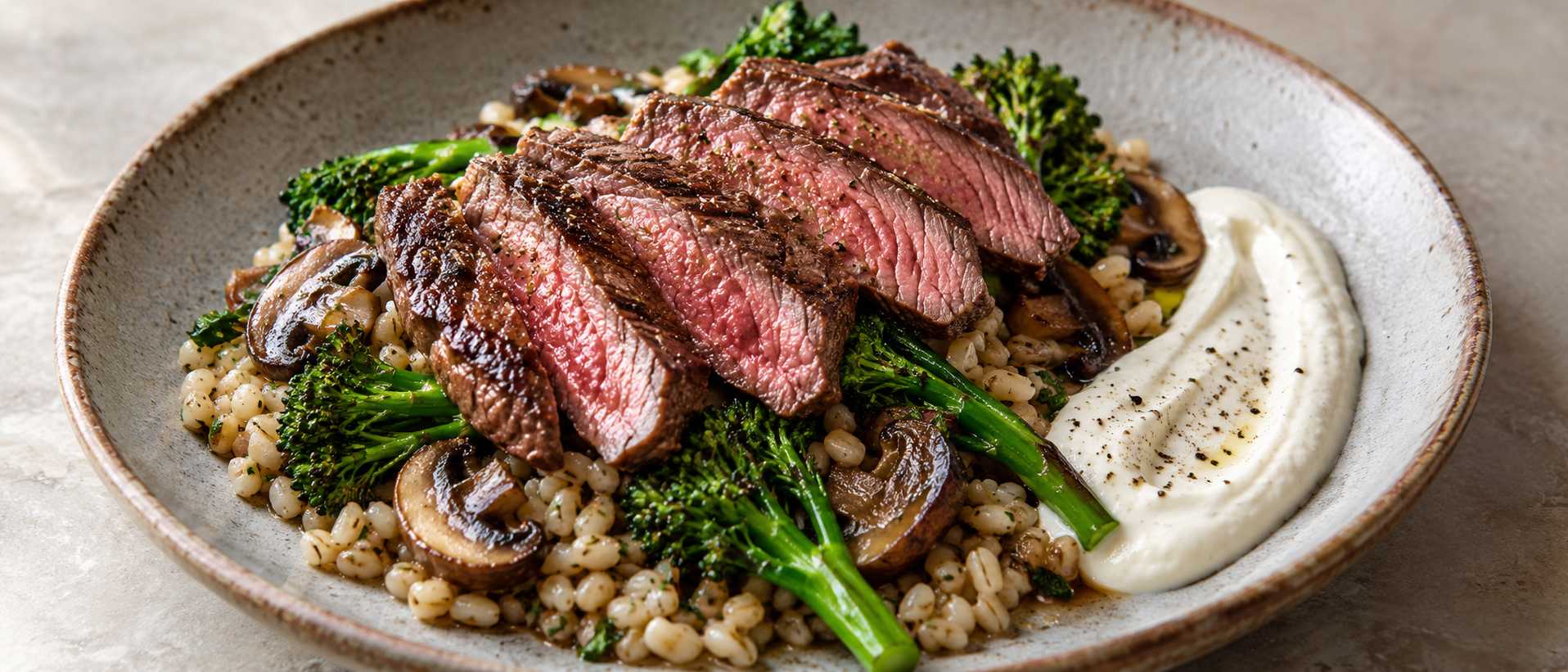
Explore more slow roasts, comforting dishes and recipes made for cooler days and longer evenings.
From the Butchery
A substantial, meaty roasting joint from the upper part of the leg, prepared by our butchers and an excellent size for a slow autumn roast.
Mutton belongs to a slower style of cooking that is worth preserving. Mature sheep produce meat with depth, character and a flavour quite distinct from lamb. Give a good joint time and gentle heat and there is very little else you need to do to it.